
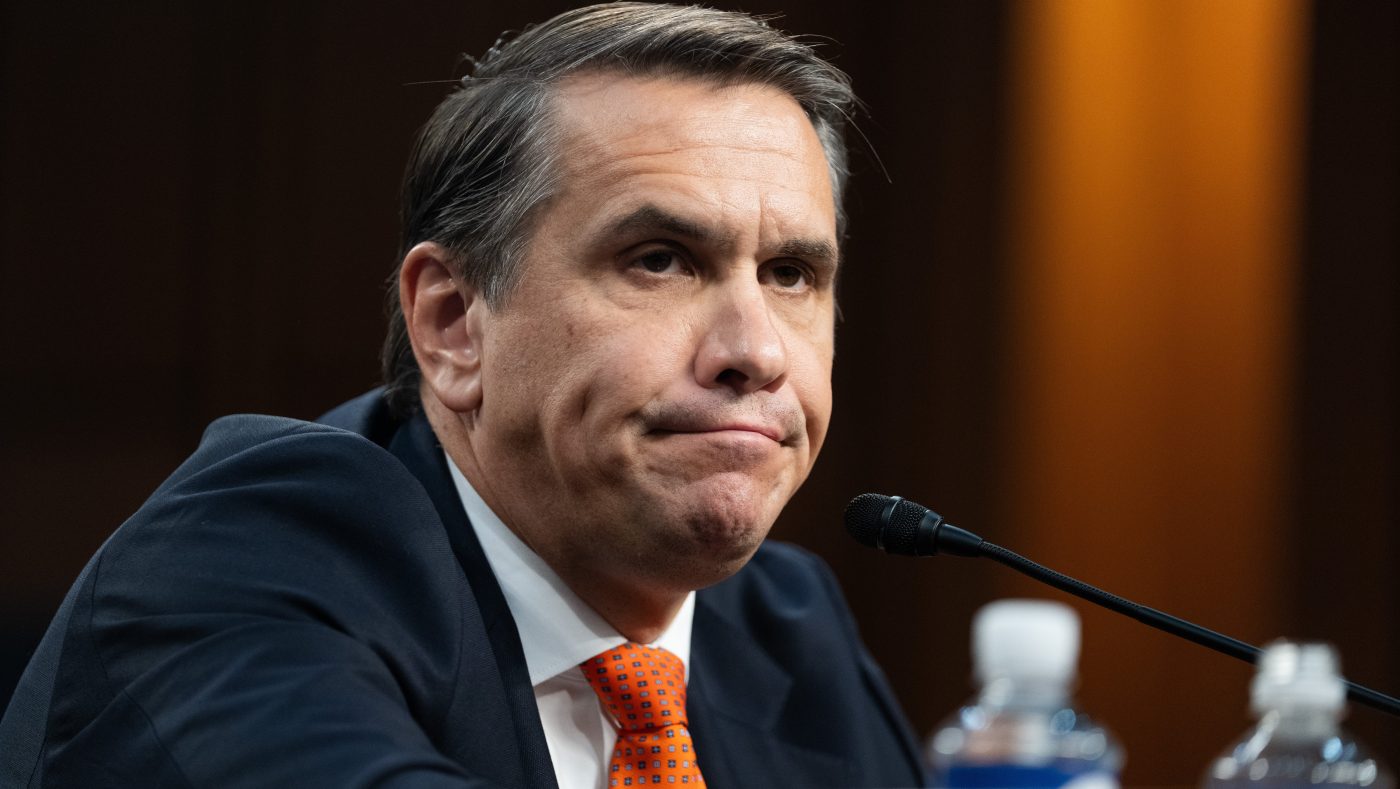
On Wednesday, July 15, 2026, Acting Attorney General Todd Blanche appeared before the Senate Judiciary Committee on Capitol Hill. During his confirmation hearing, Blanche faced criticism for misleading Congress. His comments came in light of President Trump’s creation of a $1.776 billion ‘anti-weaponization’ fund. Sen. Alex Padilla questioned Blanche about his commitment to defending against future claims from pardoned individuals involved in the January 6 Capitol riot. Blanche asserted, ‘I can tell you we always vigorously defend our cases.’ However, his actions regarding President Trump’s case paint a different picture.
The controversy centers around a $10 billion lawsuit initiated by Trump. He alleged government liability for releasing his tax information. Blanche signed a settlement that prevented future prosecution or claims against Trump, his businesses, and family members for actions before May 19, 2026. This move has been described as an unusual and precedent-setting form of presidential self-pardon.
Blanche’s performance as acting attorney general raised concerns. Instead of defending the case, the government settled without presenting a defense. The omission of key legal defenses, such as the expiry of the statute of limitations, added to the controversy. Judge oversight revealed a failure by the Department of Justice to properly defend U.S. interests and comply with its policies.
The judge stated that her opinion should be forwarded to the New York state bar, potentially leading to disciplinary action against Blanche.
The issues extend beyond the specifics of the settlement. They question Blanche’s willingness to settle and his ability to represent the interests of the United States, rather than serving narrow presidential interests. Historical examples highlight the importance of the attorney general’s independence. Figures like John Ashcroft and Jeff Sessions demonstrated the necessity of telling the president ‘No’ when required. Blanche’s inability to refuse Trump’s legal maneuvers marks him as unsuitable for the role.
Blanche’s tenure suggests an alignment with Trump over the Justice Department’s independence. His reaction to the court’s voiding of the settlement agreement adds to ethical concerns. His relationship with Trump also raises questions. When asked by Sen. John Kennedy about his past with Trump, Blanche’s initial response was, ‘I’m his lawyer,’ quickly corrected to ‘was his lawyer.’
The implications of Blanche’s potential confirmation go beyond individual qualifications. They provoke reflection on Senate Republicans’ responsibility in approving or opposing candidates who prioritize presidential interests over national legal standards. The Senate’s decision could communicate broader political priorities and impact upcoming elections.
Chris Truax, an appellate attorney and member of the Society for the Rule of Law, highlighted these concerns. The role of the attorney general is to uphold the rule of law. The stakes involved in Blanche’s confirmation raise important ethical questions and illustrate the complex dynamics between the executive branch and legal integrity.