
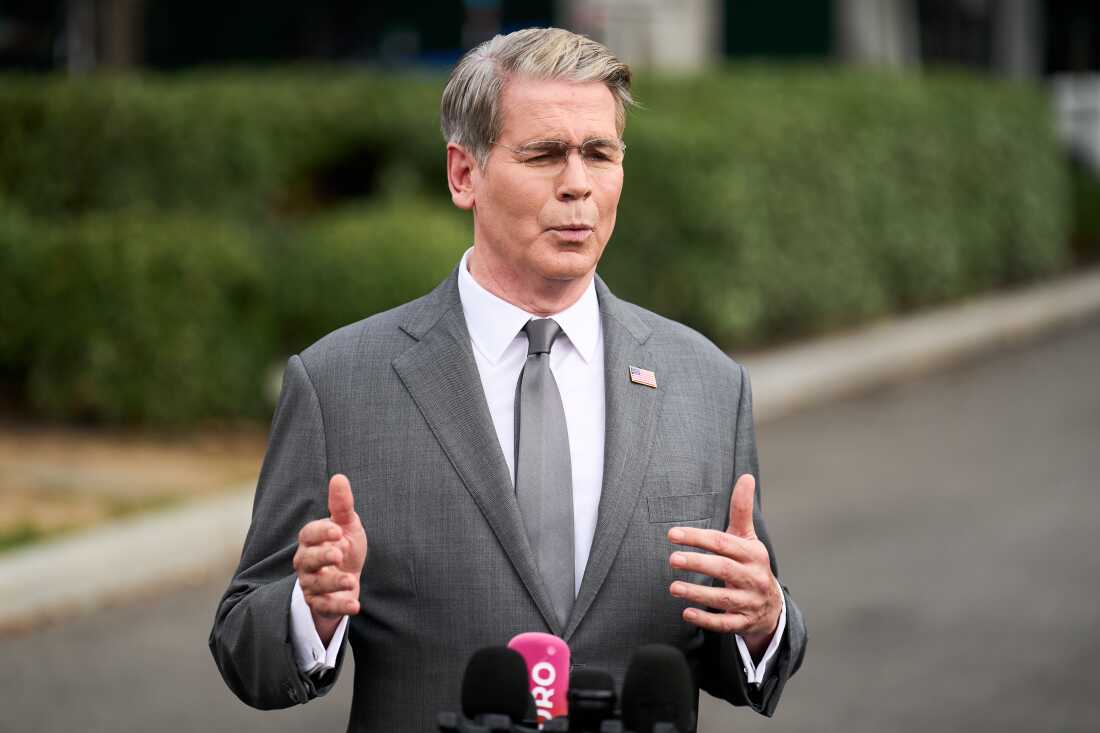
Treasury Secretary Scott Bessent announced a new round of economic sanctions on Iran, describing it as the “single greatest financial offensive ever.” President Trump referred to the action as an “economic D-Day,” pledging to target countries supporting Tehran economically. Iran’s currency, the Rial, has plummeted to a record low in anticipation.
What Do These Sanctions Entail?
The United States already imposes extensive sanctions on Iran, some dating back 50 years. Recently, additional penalties targeted entities helping Iran evade existing financial restrictions. A U.S. naval blockade has cut off most goods entering Iran. Now, the focus seems to be on pressuring countries and governments — not just businesses — that host entities aiding Iran financially.
Secretary Bessent emphasized the strategy in a Financial Times editorial, aiming to “sever every economic lifeline” supporting Iran until it stands isolated. He warned countries, including China, Iran’s largest oil customer, to “consider the consequences” of trading with Iran.
Effectiveness of Fresh Sanctions Questioned
Analysts question the actual impact of new sanctions. Alan Eyre, a former diplomat involved in Iran’s nuclear negotiations, noted the U.S. targeted every possible financial avenue. Eyre expressed doubts about the effectiveness of further sanctions.
Iran’s Pledge of Retaliation
Iran’s new security chief, Mohsen Rezaei, promised a “seismic” response to the U.S.’s latest economic warfare attempt. Rezaei, a military adviser to Iran’s Supreme Leader, warned Gulf states that supporting sanctions would result in being labeled as enemies of Iran.
Iran has already retaliated against U.S. bases in Jordan and Gulf countries, leading to injuries and fatalities. Rezaei threatened further targeting oil tankers in the Strait of Hormuz, promising no oil would leave the region.
Impact on Ordinary Iranians
Iranian citizens have endured U.S. sanctions since the 1979 Islamic Revolution, with economic struggles and inflation worsening. The Iranian economy suffered even before the war, with inflation nearing 90 percent. Many ordinary Iranians now rely on credit to purchase food due to insufficient cash availability.
A 30-year-old Iranian woman told NPR she struggles to purchase basic commodities and lifesaving medicines, fearing government retaliation for speaking out. She described frequent power cuts and rising unemployment, which contributed to earlier protests met by government crackdowns.