
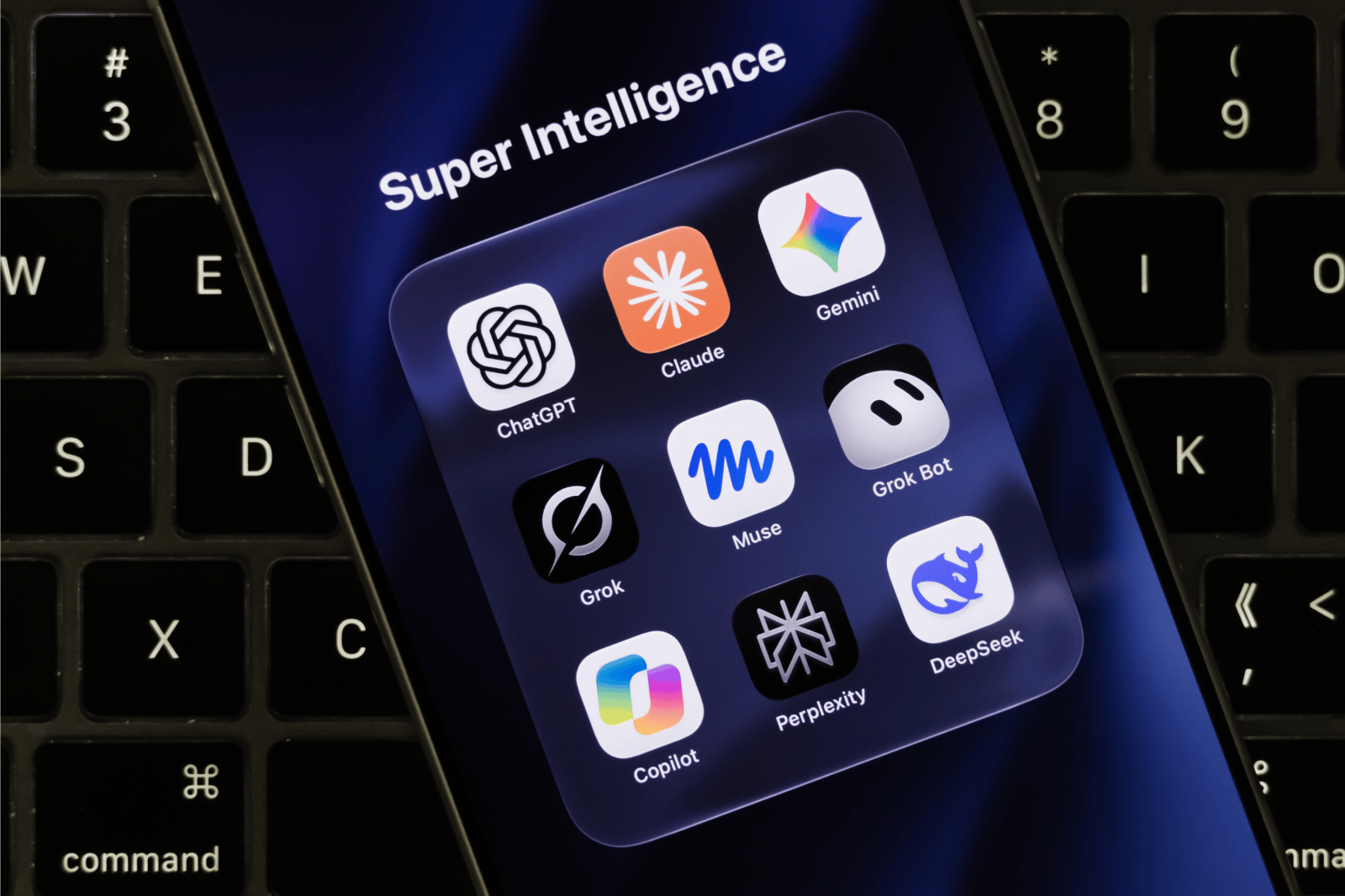
President Donald Trump’s initiative to replace “artificial intelligence” with “super intelligence” is gathering momentum among notable figures in Silicon Valley and some Republican lawmakers. However, several major technology companies in the U.S. continue to use the traditional AI terminology. On September 29, Trump signed an executive order urging executive branch agencies to use “Super Intelligence” and “SI” instead of “Artificial Intelligence” and “AI” in official documents, reports, and websites. The order claims that the new terms better represent the technological advancements.
This announcement took place during a White House event attended by influential tech leaders. Since then, a divide emerged; some companies are embracing the new term, while others maintain the conventional language.
Jensen Huang and Nvidia
Nvidia has been one of the most vocal supporters of Trump’s rebranding. Founder and CEO Jensen Huang announced a $1 billion commitment to advance U.S. science over five years. Nvidia repeatedly used Trump’s terminology in their corporate statement about this investment, emphasizing “super intelligence research and development.” Huang acknowledged Trump’s influence, stating that their investment aims to make “Super Intelligence” pivotal in advancing fields like medicine and energy.
Mark Zuckerberg and Meta
Meta offers a nuanced example because their use of the word “superintelligence” predates Trump’s order. In a 2025 announcement, CEO Mark Zuckerberg emphasized “personal superintelligence” as a central vision for Meta’s future. In 2026, he outlined the potential of “superintelligence beyond human capacity” and identified critical issues related to access and use. Although Meta aligns with the term superintelligence, this alignment was not prompted by Trump’s directive.
Elon Musk and SpaceX
Elon Musk enthusiastically supports Trump’s terminology. Musk announced renaming SpaceXAI to “SpaceXSI” on social media, declaring, “No more AI,” and stating that “SI” is the preferred term. He labeled SpaceX as a “super intelligence company.”
Mark Benioff and Salesforce
Marc Benioff, CEO of Salesforce, has also integrated Trump’s terminology, renaming the AIForce agent platform to “SIForce.” Benioff declared, “The era of Super Intelligence is here.”
Satya Nadella and Microsoft
Microsoft’s CEO Satya Nadella has started using the term “Super Intelligence” in public communications. Although no Microsoft product rebranding was announced, Nadella discussed the need for robust safeguards in the “Super Intelligence Era.” He suggested innovations like an “emergency brake” to pause or shut down technology when needed.
Tech Leaders That Haven’t Followed Suit
Not all tech executives have adopted Trump’s language. Google CEO Sundar Pichai, Anthropic CEO Dario Amodei, OpenAI President Greg Brockman, and others attended Trump’s September meeting. They signed the “White House Accord on Super Intelligence,” signifying agreement on safety controls. Nonetheless, companies like Anthropic continue using “AI” in their messaging. For example, Anthropic’s communications have consistently referred to AI, marking a difference in adoption.
Amazon Web Services maintains an “Artificial Intelligence” section on its News Blog, describing artificial superintelligence as a theoretical concept.
Republicans Start Using ‘SI’
Some Republican politicians have started to embrace Trump’s terminology. House Speaker Mike Johnson called the tech leaders “super intelligence industry leaders” and praised the meeting’s potential significance. Senator Joni Ernst mentioned “Super Intelligence (SI)”, while clarifying its association with AI. Senator Bernie Moreno commended Trump’s dedication to advancing responsible SI development in a letter to Anthropic’s CEO.