
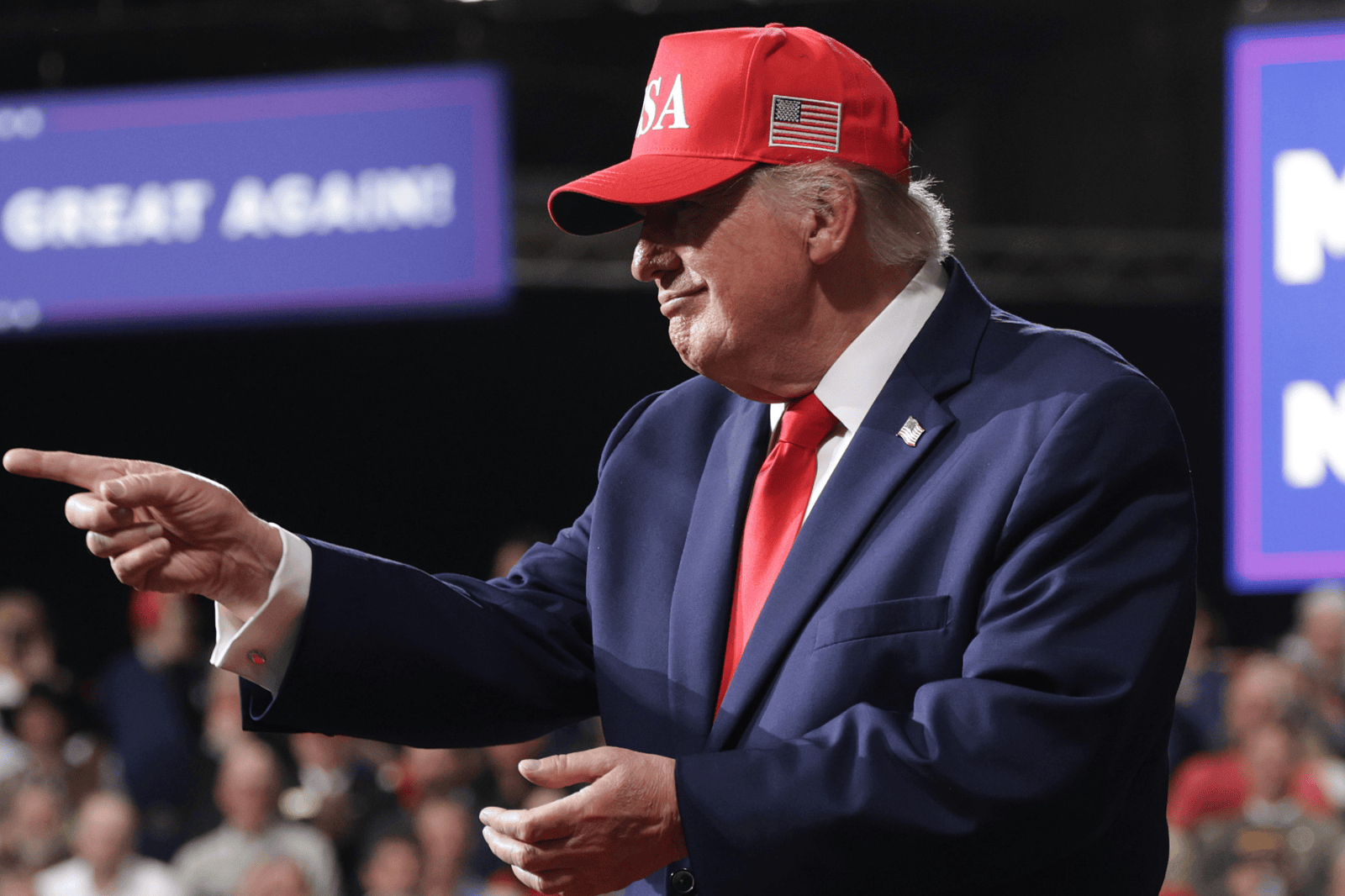
President Donald Trump’s approval rating among Republicans not affiliated with the MAGA movement has turned negative. An October Fox News Poll revealed a significant shift against him. This shift indicates growing dissatisfaction within parts of his party that are less ideologically aligned with him.
The timing of this change is crucial, with the midterm elections approaching. Republican candidates need unity to address widespread concerns over rising living costs. In competitive House and Senate races, GOP campaigns may face reduced enthusiasm or split-ticket voting among Republicans outside the MAGA core.
White House spokesman Davis Ingle emphasized that Trump has built a substantial coalition through his MAGA movement. Ingle described Trump as the Republican Party’s primary leader, a strong communicator, and a powerful motivator. He underscored Trump’s commitment to maintaining Republican majorities in Congress and highlighted his policy achievements.
Need-To-Know Numbers
- Only 18% of voters reported their families being better off than two years ago, according to the latest poll.
- Trump’s approval for managing inflation stands at 22%, while 77% disapprove.
- Among MAGA Republicans, 72% said they were certain to vote, contrasting with 52% of non-MAGA Republicans.
- 60% of voters identified the cost of living as the nation’s top economic issue, with 74% rating the economy negatively.
The Significance
Presidential disapproval doesn’t guarantee support for Democratic candidates. However, reduced enthusiasm among Republican supporters could be crucial in close races, where small shifts in participation might matter.
A Republican Divide Emerges
The September Fox News Poll found Trump with a 39% approval rating and 61% disapproval, resulting in a net approval of -22 points. Among non-MAGA Republicans, 53% approved of Trump, but this number dropped significantly in October.
The October poll showed Trump with a 36% national approval rating. Among non-MAGA Republicans, approval fell to 47%, with 52% disapproving. This represents a 12-point swing among this subgroup, dropping from a positive net rating to a negative one.
MAGA supporters still showed strong support, with 95% approving of Trump’s performance, though slightly less than before. This situation puts GOP candidates in a challenging position. Distancing themselves from Trump could alienate MAGA supporters, while closely aligning with him might not reassure those dissatisfied with his leadership.
Economic Concerns Increase Pressure
Economic conditions play a significant role in Trump’s declining approval. Nearly three-quarters of respondents viewed the economy negatively, with most expecting further deterioration in the coming year. Economic dissatisfaction makes it difficult for Republican candidates to argue for continued support for the party in power.
While economic frustration does not guarantee support for Democrats, it might lead to lower turnout, decreased enthusiasm, or splitting support between local and national Republicans.
Turnout Risks Emerge
Discontented Republicans can affect GOP candidates by opting not to vote or participating with less enthusiasm.
October’s results highlighted a divide, with 72% of MAGA Republicans certain to vote versus 52% of non-MAGA Republicans. Among all registered voters, 60% expressed certainty to vote. This trend mirrors September’s results.
The surveys measured voting intention, not actual turnout, but suggest that MAGA supporters may be more motivated than their non-MAGA counterparts.
Caution Advised
These polls interviewed registered voters nationwide rather than likely voters in specific districts. As such, they cannot predict non-MAGA Republican behavior in detailed contests.
It’s important to view these results as a warning within the Republican coalition rather than a completed shift. Their significance may depend on further polling and whether dissatisfaction impacts voter turnout or choices in key races.