
President Donald Trump announced that the ceasefire with Iran has ended. He expressed uncertainty about wanting a deal and suggested the U.S. should “finish the job.” Despite supporting recent military actions, Trump insisted these moves do not signal a return to full-scale war.
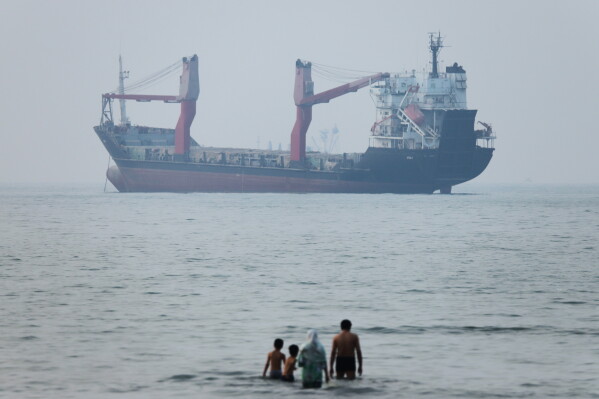
His mixed signals create confusion about the U.S. strategy, which seems to aim at pressuring Tehran. The goal is to stop attacks on ships transporting oil and gas in the Strait of Hormuz and address U.S. demands on Iran’s nuclear program.
“Anything that happens is going to happen very fast,” Trump said. “We’re not looking for a long time.”
Efforts to restore the ceasefire are ongoing, involving mediators from countries like Pakistan, Qatar, and Egypt. These efforts come amid heightened tensions and mutual mistrust.
Pakistani officials stress the importance of engagement and diplomacy, arguing that renewed conflict serves no one’s interest.
Trump returned to aggressive rhetoric, threatening further U.S. military strikes. Vice President JD Vance emphasized that retaliation is inevitable if Iran targets ships.
Trump has repeatedly used threats to negotiate from a position of strength. His approach now risks escalating the situation and impacting oil prices.
Rising gas prices could affect upcoming midterm elections. Republican hopes to maintain control of the House and Senate could be jeopardized if prices at the pump remain high.
Trump downplayed concerns about oil price hikes but acknowledged their broader impact. He indicated the economic importance of barring Iran from nuclear capabilities.