
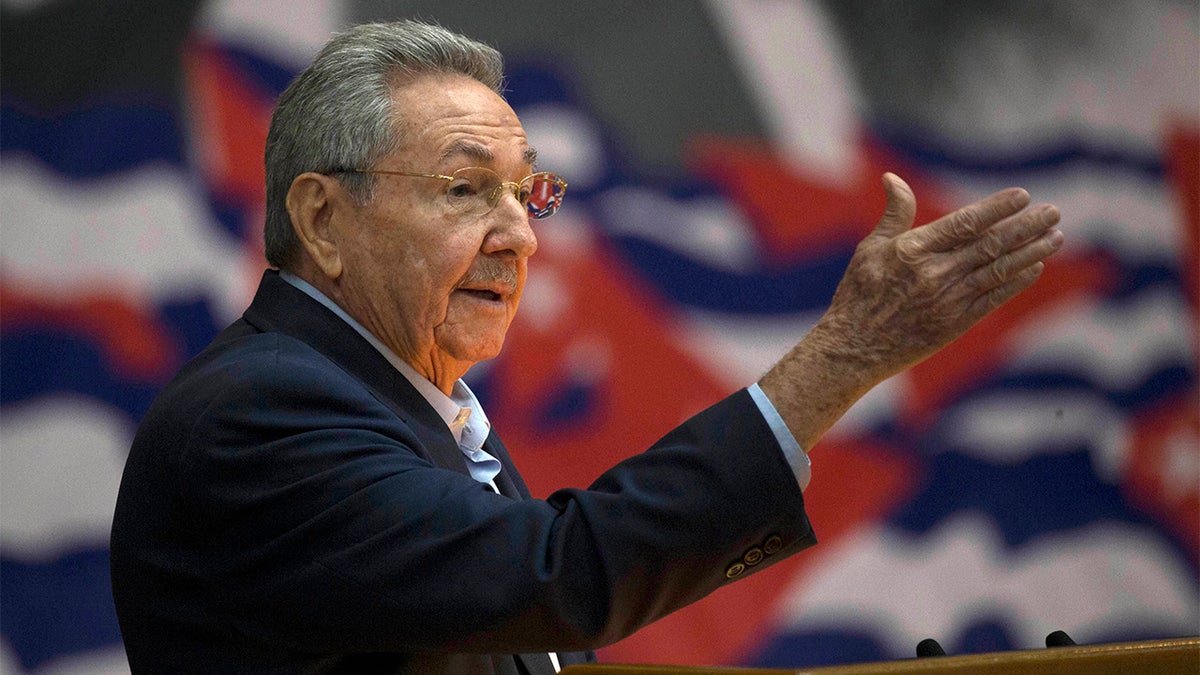
The Trump administration faces scrutiny as it indicts Raúl Castro, linking the move to a strategy similar to its approach with Venezuelan leader Nicolás Maduro. This comes amid heightened economic pressure and visible U.S. military presence in the Caribbean.
Indictment in Context
The indictment connects to Cuba’s 1996 downing of two U.S. civilian planes, raising concerns about the U.S. adopting a Venezuela-like approach with Havana’s communist regime. The USS Nimitz Carrier Strike Group operates nearby, adding a military dimension to U.S. actions against Cuba.
Comparisons with Venezuela Strategy
The strategy draws parallels with the administration’s past dealings with Maduro, which began with criminal charges and expanded into sanctions, diplomatic efforts, and military activities in the Caribbean. Federal prosecutors charged Castro for his role as Cuba’s defense minister in the 1996 shootdown, leading to international condemnation.
Expert Opinions
Symbolically, it aligns him with Nicolás Maduro,” noted Christine Balling, a Cuba expert, discussing Castro’s indictment.
Despite the charges, Balling doubts a similar operation against Cuba will occur due to Castro’s age. However, the indictment sends a clear message that the U.S. supports ending the Castro regime.
Official Responses
While reaching out to the Cuban public, Secretary of State Marco Rubio accused Cuba’s government of enriching military elites while blaming U.S. sanctions for its woes. He praised Cuban successes abroad as evidence of the potential prosperity without the current regime.
Trump dismissed the idea of escalating tensions, leading some to believe internal pressure might be enough to drive change in Cuba without military intervention.
Potential Risks
Balling warned of a possible migration crisis if the situation destabilizes further. Cuba already grapples with economic strains and worsening energy issues as U.S. pressure increases.
Continued Communication
Despite the tensions, limited communication exists between the U.S. and Cuba. CIA Director John Ratcliffe met with Cuban officials to discuss potential cooperation if changes occur within the Cuban regime.
Challenges in Isolating Cuba
The Cuban military is significantly weaker than during the Cold War, but experts argue isolating Cuba remains complex due to its integrated state and military economy. Rubio has highlighted security concerns, suggesting foreign intelligence infrastructure on the island.
Though no military plans have been disclosed, the situation suggests the administration contemplates adapting Venezuela’s pressure model to Cuba.