
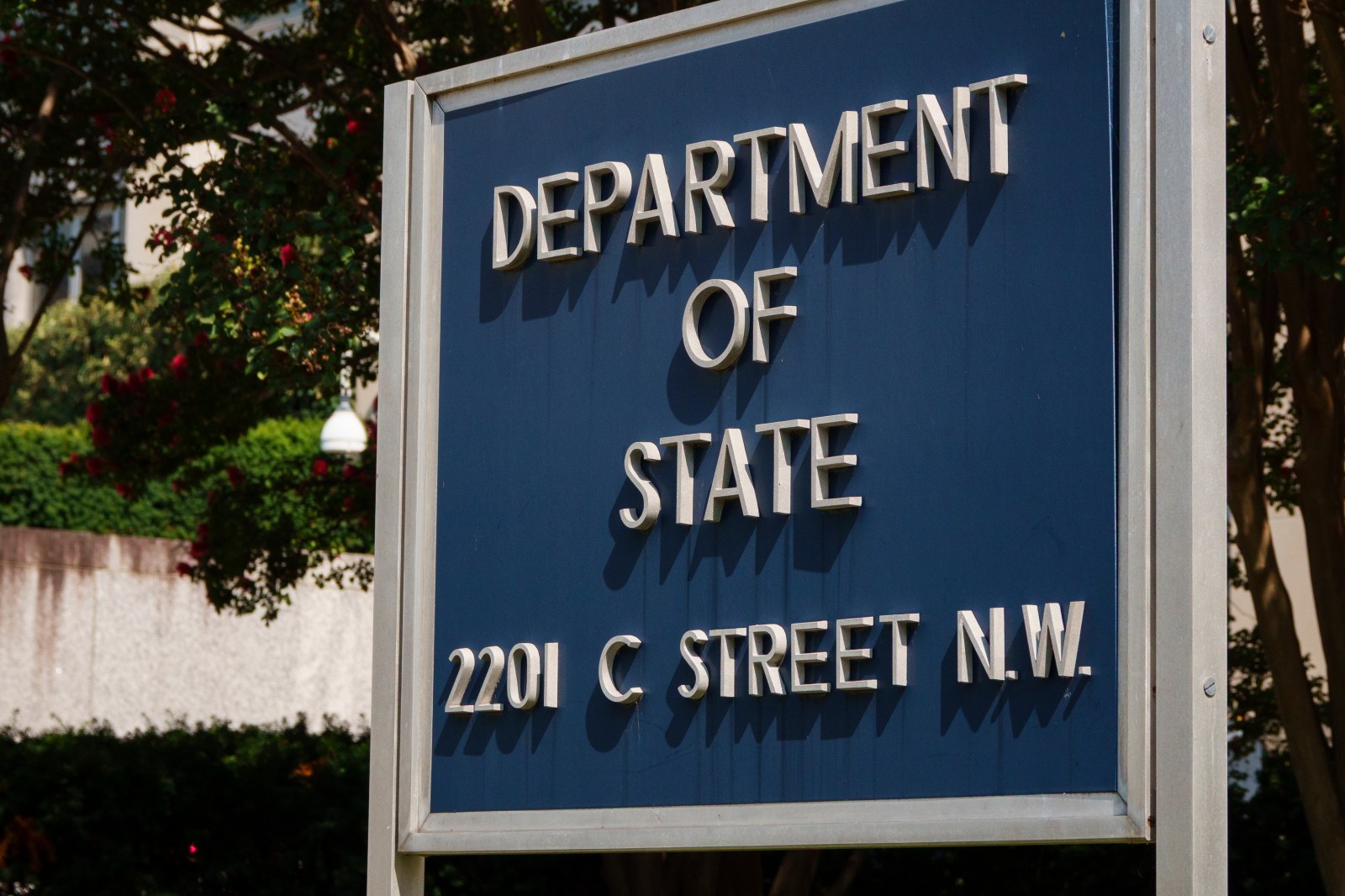
The Trump administration is planning to revoke visas for approximately 200,000 immigrants who initially came to the United States on temporary visas and later sought asylum. Documents from the State Department and two informed officials indicate this could impact those who entered on B1 and B2 visas, intended for tourism or business.
If enacted, this would become the largest visa revocation initiative in the U.S. The current administration aims to fulfill President Donald Trump’s commitment to deport large numbers of immigrants residing illegally or overstaying their visas. This plan involves coordination with the Department of Homeland Security (DHS), although DHS defers to the State Department. “Under President Trump and Secretary [of State Marco] Rubio’s leadership, we are making clear that a visa is a privilege — not a right,” stated Tommy Pigott, State Department spokesperson. The State Department, in collaboration with DHS, seeks to identify and cancel visas of individuals visiting as short-term guests who later sought asylum.
Understanding B-1 and B-2 Visas
B-1 visas cater to short-term business visitors engaged in meetings, conferences, negotiations, and similar professional activities. B-2 visas serve purposes like tourism, family visits, and medical treatment. Often, applicants receive a combined B-1/B-2 visa.
These visas are nonimmigrant, meaning the holder is expected to return home post-visit. They do not offer direct paths to permanent residency or employment. These visas are given with the expectation of the holder’s intent to return home. Piggott highlighted, “Obtaining a visa to seek asylum is fraud—which is grounds for visa revocation.” The process seeks to maintain the integrity of visa and asylum laws.
The Implications of the Move
The plan involves revoking B-1 and B-2 visas issued between 2016 and 2026 to individuals who sought asylum, potentially affecting up to 200,000 people. If executed, this would be the largest visa revocation in U.S. history. Advocacy groups and legal experts are anticipated to challenge the action, citing U.S. law that allows individuals present in the country to apply for asylum, assuming statutory requirements are met.
The expected legal battle could serve as a major test of the administration’s capacity to adjust immigration policies through visa limitations.
Asylum Claims and Visa Fraud
A pivotal question is whether seeking asylum upon arrival with a visitor visa inherently denotes visa fraud. The administration claims many asylum applications are leveraged as a means to bypass traditional immigration regulations. According to Deputy Secretary of State Christopher Landau, “people in the U.S. and all over the world are fed up with bogus asylum claims,” referring to asylum as an exploited loophole by migrants wishing to remain in the country.
However, immigration attorneys argue that situations can shift after entry. A visitor might come legally for tourism or business, then encounter conditions prompting them to seek asylum. Federal asylum law allows qualified applicants to seek protection after their entry, with immigration courts determining the validity of claims. Therefore, the proposal touches on an enduring debate about the significance of an individual’s intent at the time of visa issuance versus their circumstances after arrival.