
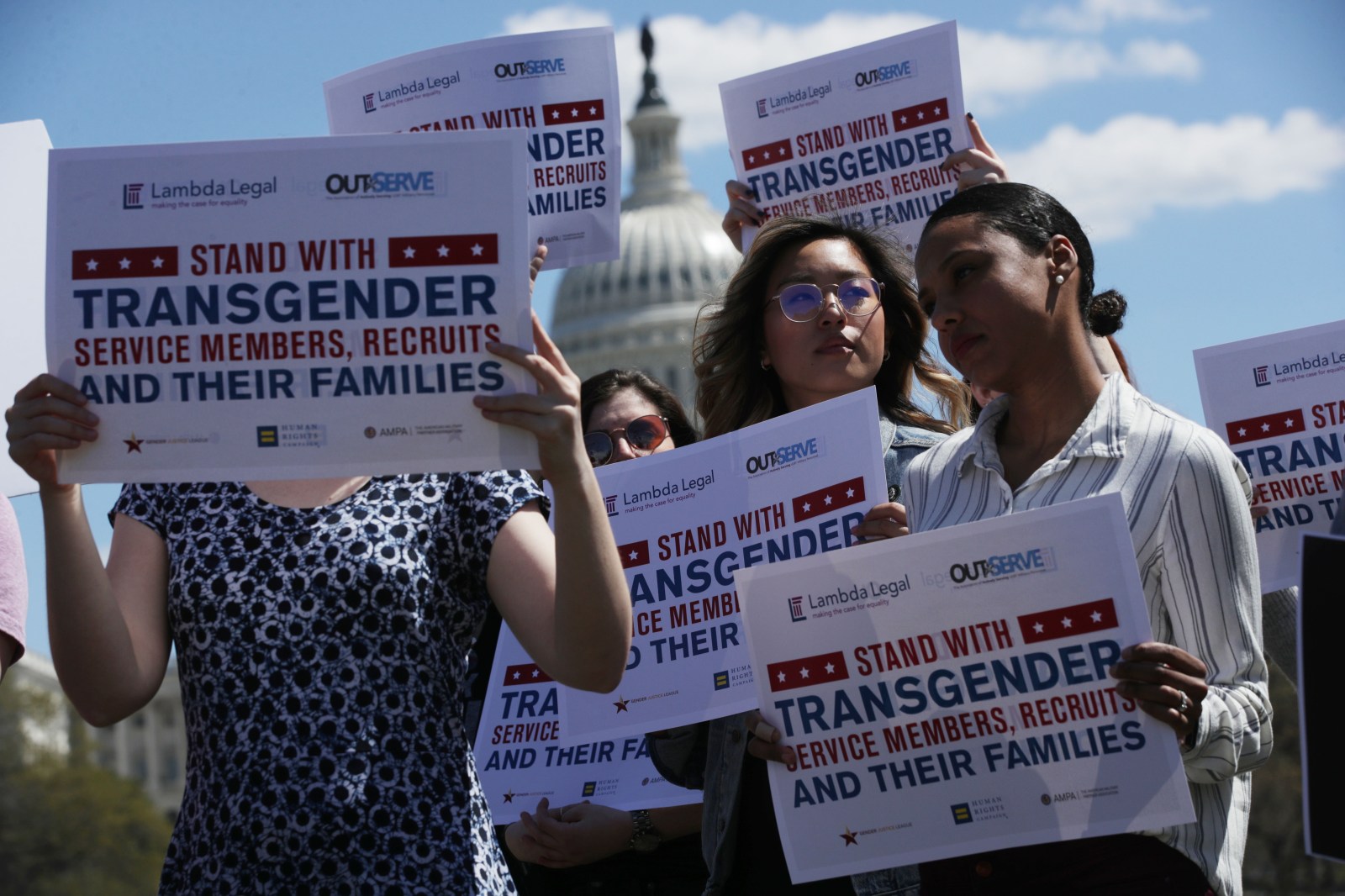
A group of 17 transgender veterans and service members is challenging the U.S. government in federal court to recover retirement benefits. They claim these benefits were wrongly revoked due to the Trump administration’s policy on transgender military service. The U.S. Court of Federal Claims heard the case, which will decide if the Air Force improperly canceled early retirement approvals for transgender troops following President Donald Trump’s executive order concerning military service eligibility.
Significance of the Lawsuit
This legal case could impact whether affected service members receive the retirement pensions and health benefits they earned. For those near retirement, the result could have critical financial implications. Currently, these service members face the potential loss of significant retirement income and healthcare benefits after dedicating over 15 years to military service.
Details of the Case
The lawsuit, named Ireland v. U.S.A., involves 17 transgender service members and veterans from the Air Force and Space Force. According to the court filings, each individual had served at least 15 years and sought early retirement after the enforcement of the transgender troop ban. The Air Force initially approved their retirements under the Temporary Early Retirement Authority (TERA) program, but later rescinded these approvals. The plaintiffs argue that these retirement orders were valid and should not have been reversed.
Among these plaintiffs is Logan Ireland, a former Air Force Master Sergeant and Afghanistan veteran. Ireland expressed that the government’s actions have removed the benefits he and others relied upon for their futures. He stated, “Long-serving service members and their families build their lives around the promise of earned retirement. When that promise is revoked, it affects housing, health care, and a lifetime of financial security.”
Focus of the Recent Hearing
This week’s hearing concentrated on whether the Court of Federal Claims has jurisdiction over the matter. Federal lawyers argued the court’s lack of jurisdiction, while the plaintiffs’ attorneys maintained that military pay and retirement benefit disputes fall under the court’s purview.
The dispute arose after President Trump’s executive order in January 2025 reversed a previous policy allowing transgender troops to serve openly. The order stated that service members with a gender identity different from their biological sex could not meet military standards. Following this, the Defense Department guidance indicated troops with gender dysphoria could face military service separation.
Transgender service members, seeking early retirement to avoid separation, had received approved retirement orders that were subsequently revoked. Plaintiffs claimed they had over 15 years of service and faced significant financial losses without these pensions and lifetime TRICARE access.
Ongoing Legal Challenges
This lawsuit is one of several addressing transgender military service policies. In June, a federal appeals court ruled the Trump administration’s policy likely unconstitutional, permitting certain plaintiffs to continue active duty during the legal process. Yet, broader legal uncertainties remain.
Michael Ryan, a finance expert, emphasized that this case centers more on whether the government can retract promised benefits, not whether transgender individuals should serve. Ryan noted, “It’s about whether the government can dangle earned retirement, get people to sign up for it, then reverse course without consequence.”
Next Steps
The Court of Federal Claims will decide whether to dismiss the case or proceed. If the court claims jurisdiction, it will evaluate the plaintiffs’ assertion that the Air Force unlawfully rescinded early retirement approvals, affecting their pay and benefits.
Should the plaintiffs succeed, the decision could affirm that federal commitments are binding even if political circumstances change. Michael Ryan remarked, “This case could force the government to honor commitments or pay the damage.”