
The recent increase in conflict between the U.S. and Iran has led President Donald Trump to reconsider a memorandum of understanding (MoU) created to promote peace. This agreement, formed a few weeks prior, was aimed at easing tensions and addressing crucial issues such as the blockades impacting the Strait of Hormuz and extending a ceasefire announced on April 7. However, key disputes remain unresolved as mistrust persists between the two nations.
According to Naysan Rafati, Iran senior analyst at the International Crisis Group, the MoU postponed discussions on the most contentious issues, including Iran’s nuclear program, in favor of reducing economic pressures. This strategy, while logical in theory, risks differing interpretations and potential failures in practice.
In principle, that’s a reasonable approach. In practice, it risks dueling interpretations of what’s been agreed and multiple points of failure.– Naysan Rafati
Reflecting on the JCPOA
The Trump administration’s negotiations with Iran have been compared to the 2015 Joint Comprehensive Plan of Action (JCPOA), a nuclear deal facilitated by former President Barack Obama. Unlike the JCPOA, which focused on nuclear curbs in exchange for sanction relief, the current MoU aims for broader discussions amidst ongoing hostilities. The JCPOA, which garnered support from global powers, contrasted with the MoU, primarily supported by regional actors directly affected by conflict.
The JCPOA’s failure after the U.S. exit has amplified skepticism towards U.S. commitments, making new agreements increasingly difficult. Alan Eyre, a former U.S. State Department official, notes that the MoU’s reception remains fragile, owing to ongoing distrust.
The JCPOA showed that Iran and the U.S. could reach a mutually satisfactory solution over real issues by diplomacy. Conversely, President Trump’s 2018 unilateral withdrawal from the JCPOA showed, to Iran at least, that U.S. commitments achieved through diplomacy cannot be trusted.– Alan Eyre
The MoU’s Downfall
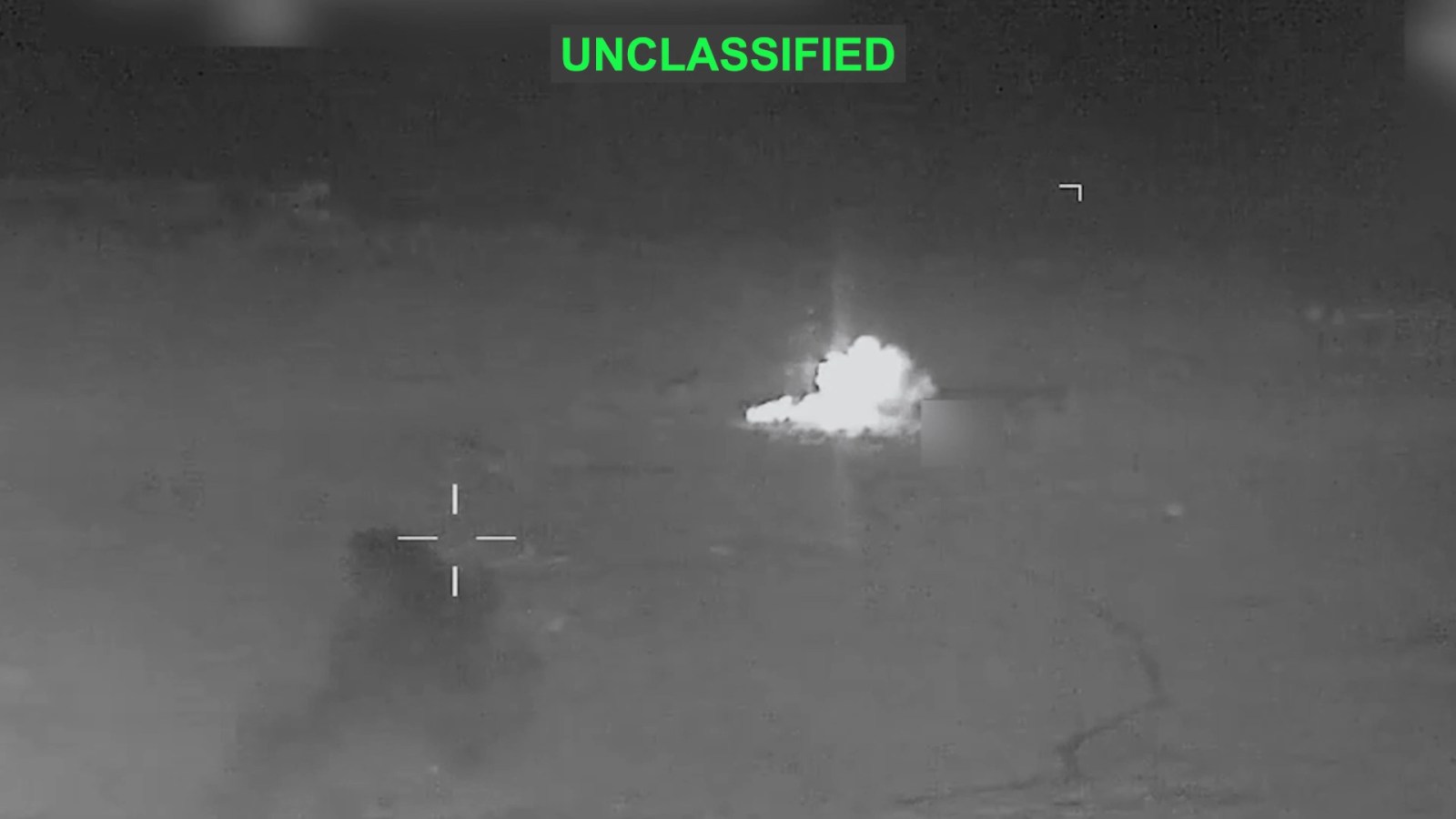
The MoU’s ambiguity has led to disputes over several key points such as asset release and regional ceasefires. These issues have been exacerbated by recent violence, including attacks on tankers in the Strait of Hormuz. Consequently, the situation has intensified, with U.S. and Iranian forces engaging in further military actions.
Trump’s remarks at a NATO summit in Turkey indicate that the U.S. may continue its aggressive stance. However, the likelihood of a prolonged conflict raises concerns about political repercussions.
Looking Ahead
Despite initial military successes, the prolonged struggle reveals vulnerabilities in U.S. strategy. The MoU was an attempt to mitigate these flaws by reopening the Strait of Hormuz and de-escalating tensions. However, the prospect of achieving a comprehensive peace agreement has diminished as both the U.S. and Iran have different objectives.
The U.S. administration entered into the MoU when it realized US/Israel military success alone had been insufficient to achieve its strategic goals.– Alan Eyre
As the situation remains unchanged since the MoU’s signing, the hopes for resolving the crisis appear bleak. The U.S. seeks to restore shipping traffic levels, while Iran aims for strategic deterrence. The potential for a nuclear agreement remains unlikely amidst ongoing tensions.