
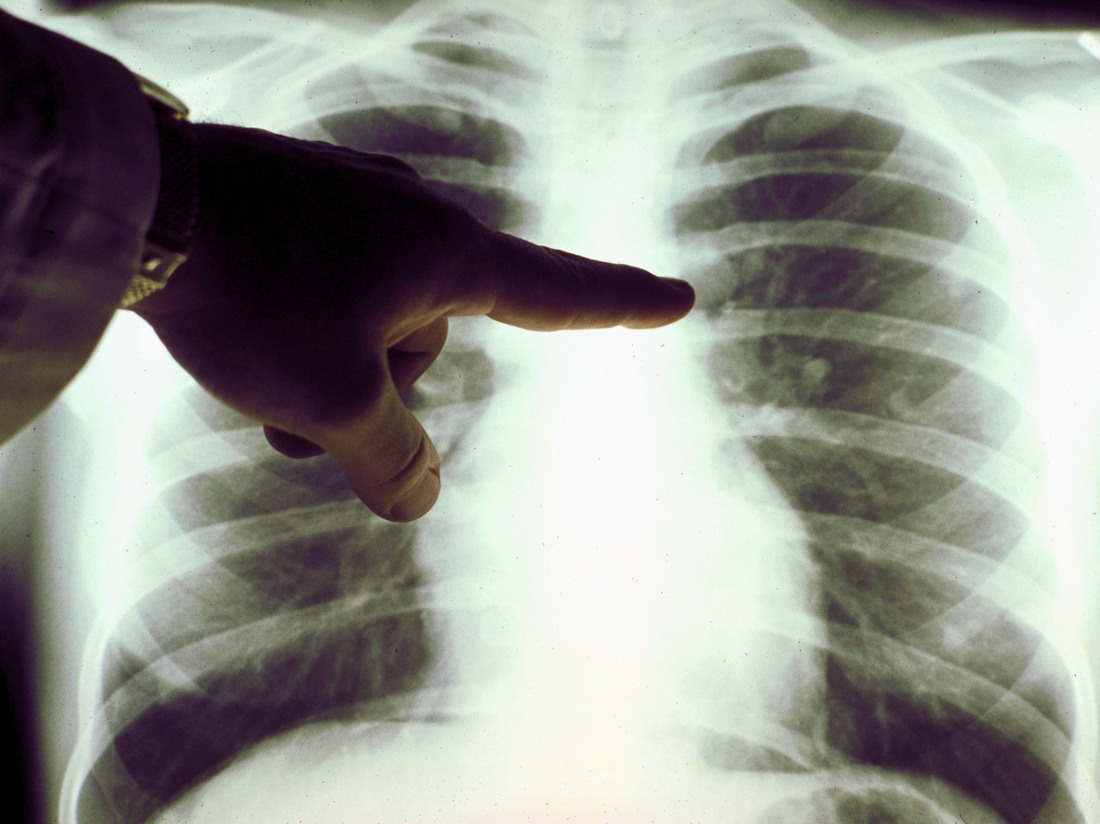
One of the earliest references to cancer is found in an ancient Egyptian text dating back to around 3000 B.C. While modern understanding has significantly advanced, recognizing cancer as a sequence of DNA mutations, the quest to cure it continues.
Historical Approaches to Cancer Treatment
Throughout history, various methods including pastes, salts, teas, and cauterization have been tried to treat cancer. A pivotal moment occurred in the 1700s when British surgeon Percivall Pott identified an environmental link to cancer. He observed that chimney sweeps often developed cancer due to soot exposure, leading to the establishment of a minimum age for chimney sweeps. However, this only demonstrated cancer prevention, rather than offering a cure.
“Cancer was a death sentence,” notes Mariana Stern, a cancer epidemiologist at the University of Southern California. Surgery was a common treatment, but incomplete removal meant cancer could return. This understanding pushed scientists to explore supplementary treatments.
Development of Modern Treatments
By the late 19th century, radiation emerged as a cancer treatment. Swedish physicians Tor Stenbeck and Tage Sjogren independently employed x-rays to cure skin cancer. However, improper radiation exposure led some radiologists to develop leukemia, revealing radiation’s dual nature. Today, radiation is utilized in a more controlled manner.
Chemotherapy appeared in the mid-20th century, offering a new method to target cancer cells that surgery and radiation couldn’t reach. It’s based on blocking cell division, a common trait of cancer cells.
Currently, survival rates have improved, but challenges remain. With over a hundred types of cancer, no single cure exists. Each cancer type requires tailored prevention and treatment strategies, linked to its unique development mechanisms.
Understanding Cancer Causes and Risks
While 5% to 10% of cancers have genetic origins, random mutations often trigger cancer. Environmental and internal carcinogens further complicate this, potentially increasing mutations. Common carcinogens range from sun exposure and tobacco use to poor diets and inactivity.
Stern emphasizes age as a significant carcinogen given our body’s natural decline over time. “As we age, our cells deteriorate and accumulate mutations,” she states. Despite high lifetime cancer risk, attention to preventable factors can mitigate danger.
Today’s Personalized Cancer Treatments
Recent advancements have increased survival rates through personalized treatment. Breast cancer treatments, for example, now vary based on tumor characteristics. A lung cancer treatment might benefit certain breast cancer patients based on tumor response.
Personalization also acknowledges demographic differences in cancer impacts, focusing on underserved groups like Hispanic, American Indian, Alaska Native, and African American populations. Recognizing these disparities ensures diversity in drug therapy design.
Harnessing a patient’s immune system to target cancer cells represents a promising new treatment method. “This approach has shown great effectiveness,” notes Stern.
Stern highlights the persistent issue of treatment accessibility. “Every single cancer patient must have access to the best available treatments, which is not the reality today.”
For more medical advances, contact [email protected] or listen to Short Wave on Spotify, Apple Podcasts, or Google Podcasts. Support NPR by joining Short Wave+ at plus.npr.org/shortwave.
This episode was produced by Berly McCoy, edited by Rebecca Ramirez, and fact-checked by Brit Hanson. Gilly Moon was the audio engineer.