
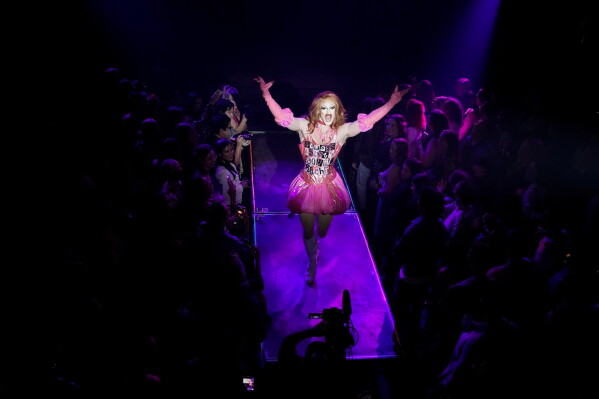
In the days leading up to Pride Month in June, a well-known drag performer and climate activist, Pattie Gonia, publicly accused the sustainable outdoors apparel brand Patagonia of trying to erase an activist through legal action. This arose from a lawsuit filed by Patagonia, charging Pattie Gonia with trademark infringement for $1, though legal experts suggest costs could rise above $1 million.
Background on Pattie Gonia
Pattie Gonia, whose real name is Wyn Wiley, is a drag queen based in Bend, Oregon, known for her climate activism. She gained widespread attention in 2018 with a viral video showcasing her in high heels while camping. With nearly 3 million followers on TikTok and Instagram, she uses her platform to educate about climate change and raise funds for environmental causes. Her “Save Her! Environmental Drag Show” highlights her efforts during Climate Week.
Details of the Trademark Dispute
Patagonia’s lawsuit against Pattie Gonia alleges trademark infringement due to the sale of products under the similar-sounding name, which could confuse consumers. Tim Holbrook, an intellectual property professor, elaborates that consumer confusion does not need to be proven, only the likelihood of it. The apparel brand’s complaint, filed on January 21, included examples of consumer confusion.
The issue escalated after Pattie Gonia’s announcement on May 27, leading many to mistakenly believe the filing coincided with Pride Month. Unanswered questions remain about whether the timing was deliberate. Pattie Gonia applied for a trademark on her name in September 2025, prompting Patagonia’s legal action several months afterward.
Company Dialogue and Legal Precedent
Patagonia initially reached out in 2022 regarding a fundraising collaboration involving Pattie Gonia. The company requested she refrain from using Patagonia’s logo or name in her merchandise. Attempts to continue dialogue occurred, with Patagonia aiming to clarify earlier agreements on trademark usage.
The issue of trademark protection has seen similar cases, like McDonald’s contesting “McDental” and Starbucks against “Sambucks.” The challenge in trademark law is maintaining brand identity and preventing future disputes, as outlined by experts.
Reactions and Clarifications
Pattie Gonia’s claims sparked backlash against Patagonia, particularly involving the LGBTQ community’s reaction. Some individuals, like supporter Jim Gregory, took symbolic actions, such as donating Patagonia items to express dissatisfaction.
Cleo Schroer, a researcher, initially sided against Patagonia but reconsidered after reviewing the legal documents, doubting the claim that Patagonia aimed to silence a queer activist.
Understanding Patagonia’s Branding
The name Patagonia derives from a region in Chile and Argentina known for its diverse landscapes. Although geographical names can be trademarked, the awareness of the region’s name at the time of trademark is a factor considered by the U.S. Patent and Trademark Office.
Since 1973, the brand has developed a strong identity associated with outdoor enthusiasts, now facing this trademark dilemma.
Efforts Toward Resolution
If Pattie Gonia’s trademark application is accepted, Patagonia can contest it, prolonging the conflict. However, legal considerations suggest the lawsuit will determine the outcome. Both parties have taken steps toward compromise, with Pattie Gonia willing to abandon the trademark application if the lawsuit is dropped.
Patagonia issued a statement recognizing any harm caused, particularly within the LGBTQ+ community, but insists on cessation of certain brand-related actions by Pattie Gonia to settle the lawsuit.
Negotiations are ongoing, with both sides open to agreement outside of court, which experts like Josh Gerben recommend as a certainty-focused resolution.
Corley Kenna, Patagonia’s chief impact and communications officer, expressed the company’s openness to find a solution, though precise details remain undisclosed.