
The Washington Redskins’ name and logo, retired by the NFL team in the nation’s capital in 2020, have quietly made a comeback. Merchandise featuring the iconic branding is available in the team’s current shop, despite the rebranding as the Washington Commanders.
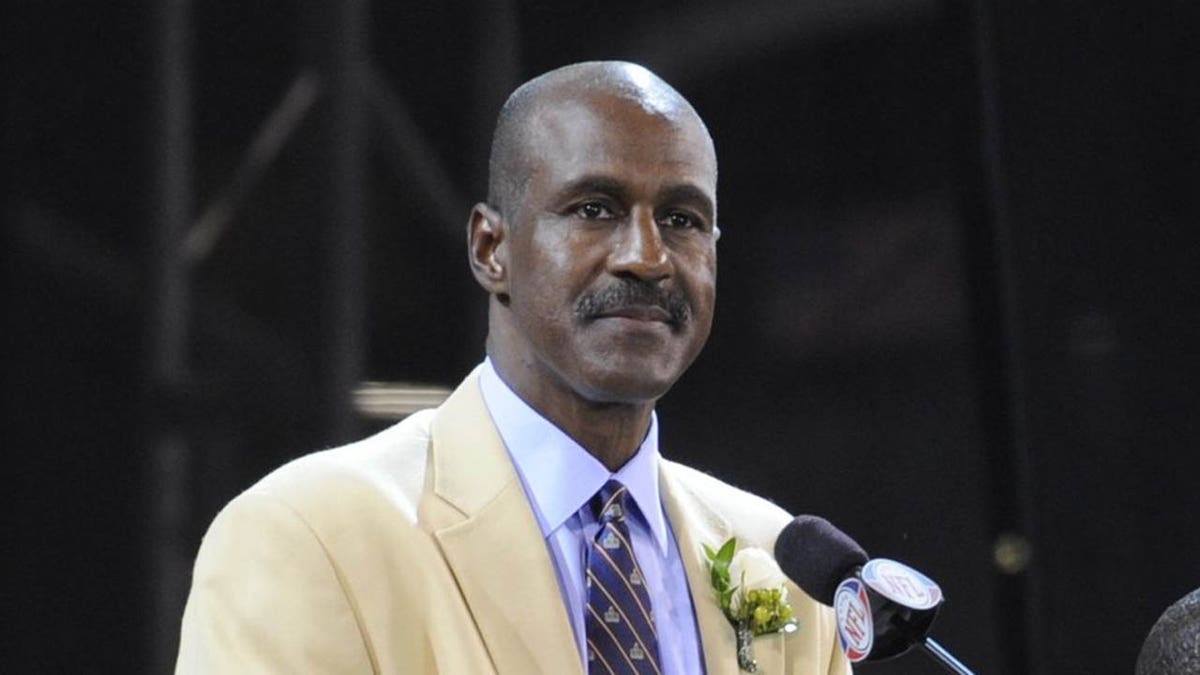
This gear is limited, mainly found in the Mitchell & Ness throwback line of T-shirts and jerseys. These items showcase names and insignia of former players from the Redskins era, making them rare collectibles. Fans can purchase an Art Monk T-shirt, depicting the Pro Football Hall of Fame receiver in his Redskins uniform, for $49.99. The shirt proudly displays ‘Washington Redskins’ alongside Monk’s career statistics.
Similarly, a Sean Taylor T-shirt, also priced at $49.99, honors the late safety in his Redskins uniform. Taylor’s No. 21 jersey, including the team’s name and a 75th-anniversary patch, is available for $114.99, offering fans a piece of the history tied to the Redskins.
The franchise promotes these items as Commanders gear, although the Commanders name is absent from the apparel. This strategy links deeply to the team’s legacy.
The current dilemma emerges from the team’s historical significance as the Washington Redskins, which spanned from 1937 to 2019. The Redskins name faced criticism as offensive, leading to a rebranding under pressures from fans, Native American groups, and sponsors. The Washington Commanders’ ownership, led by Josh Harris, has maintained that the Redskins name will not return. Harris acknowledged the nostalgia for the former name while respecting sentiments against it.
Despite this position, the Commanders still market Redskins-themed merchandise. Furthermore, they are set to wear an alternate helmet design reminiscent of the old Redskins spear insignia later in the season. The inclusion of such a design is a nod to the team’s heritage.
According to WUSA9, the sale of these items serves a legal purpose. A franchise spokesman emphasized, ‘We are required to maintain the marks in commercial usage so that marks remain under franchise control.’ This requirement stems from the Lanham Act, which risks the abandonment of a trademark after three years of inactivity without the intention to resume use. The law mandates ‘bona fide use in the ordinary course of trade,’ distinguishing genuine sales from token attempts to preserve trademark rights.
The limited availability of Redskins merchandise raises questions about its role in preserving these rights. The franchise’s original logo from 1932 was inspired by Chief Tammany, aimed to honor Native American heritage. Over time, this evolved into the more recognizable Native American chief logo, championed by figures like Walter ‘Blackie’ Wetzel.
Wetzel, a prominent Native American leader, successfully lobbied for the recognizable chief symbol in 1972, asserting pride in the representation. ‘It made us all so proud to have an Indian on a big-time team,’ he noted in 2002, highlighting a generational pride associated with the emblem.
While some Native American groups view the Redskins imagery as racist, others, including individuals from the Navajo Code Talkers Association and the Blackfeet nation, have expressed support for it.
For more insights on the team’s situation, follow Armando Salguero, Senior NFL Writer for OutKick, on X: @ARMANDOSALGUERO.