
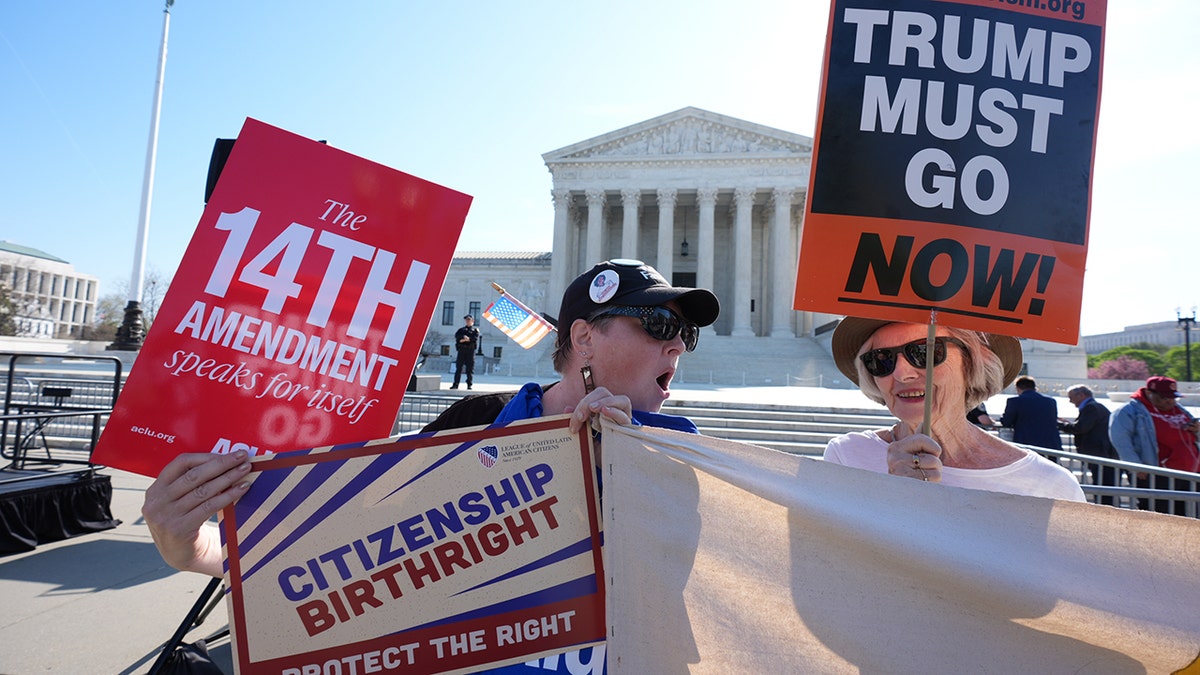
The Supreme Court’s recent decision in Trump v. Barbara has stirred controversy. Five justices have effectively expanded birthright citizenship to children of Chinese birth tourists, Islamic extremists, and other unauthorized immigrants. This ruling has significant implications, affecting the way U.S. House seats are allocated through the census.
The Fourteenth Amendment originally offered birthright citizenship to anyone born in the United States who is “subject to the jurisdiction thereof.” This was intended for children of freed slaves after the Civil War. It was not meant to allow foreign-born children to become U.S. citizens merely by being born here, only to return to their home countries.
Census data, which determines the distribution of House seats and influences the Electoral College, includes unauthorized immigrants and temporary visa holders. This situation has persisted since the Carter administration. Now, following the Barbara ruling, children born during temporary visits by foreigners are considered citizens.
Foreign diplomats and soldiers are rightly excluded from both citizenship and the census. Yet, unauthorized immigrants have been counted since President Carter’s time, further complicated by the Barbara ruling.
This discrepancy results in inconsistent classifications. Temporary visa holders such as students and workers are counted, yet tourists are not. Children of birth tourists attain citizenship, though their parents are not counted in the census.
The Equal Representation Act proposed by Congress aims to remedy this by limiting the census count to American citizens and lawful permanent residents. This proposal aligns with the Fourteenth Amendment and earlier cases like United States v. Wong Kim Ark.
President Trump might issue executive orders, but lasting change requires Congressional action. Legislation would withstand shifts in presidential policies, ensuring adherence to the proper interpretation of “jurisdiction.” Only American citizens and those lawfully domiciled should qualify.
The assertion of control over the Census Bureau is crucial. In 2020, mishandling benefited certain political groups, influenced Medicaid funding, and intensified sanctuary exploitations, which were never anticipated by the Framers.
China’s potential impact through birth tourism and visa manipulation threatens American sovereignty and electoral integrity. Declassified documents reveal Chinese interference attempts in U.S. elections.
Congress must act decisively by passing the Equal Representation Act. A proper census ensures a democracy unaffected by foreign influence or errors. This measure would preserve the republic and uphold citizen control over national decisions.