
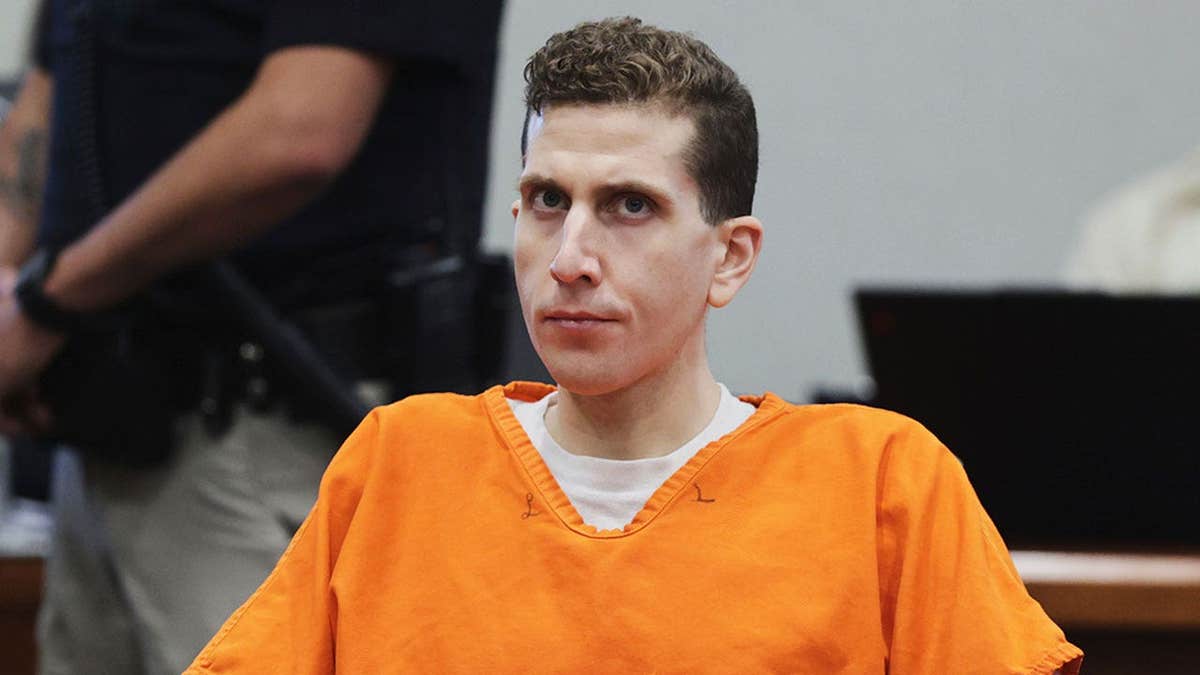
A judge has approved Bryan Kohberger’s request for a new lawyer as he seeks a new trial following his guilty plea for the 2022 murders of four University of Idaho students. Legal analyst Mehek Cooke highlights the difficulties in overturning a guilty plea, while the victims’ families continue to cope with the trauma of the case.
The documentary director Skye Borgman suggests Kohberger specifically targeted the home where the murders occurred. Borgman, who directed the Netflix docuseries “The Idaho Murders: College Nightmare,” believes Kohberger’s choice was linked to the fact that the house accommodated five women. Ethan Chapin, Xana Kernodle’s boyfriend, was the only male present on the night of the tragedy.
Borgman speculates that Kohberger harbored disdain for women, considering his behavior preceding the murders, such as monitoring the house over a prolonged period.
Kohberger, who is 31, serves four life sentences without parole after admitting to the murders of Kaylee Goncalves, Ethan Chapin, Xana Kernodle, and Madison Mogen. In return, he avoided the death penalty.
Interviews in a recent documentary describe Kohberger as disliking women, which is supported by testimonies from former classmates and encounters he had with women that made them uneasy.
“There was a hatred of women,” Borgman said in the documentary, reflecting on Kohberger’s relationships.
Kohberger’s past behavior, including being perceived as “creepy” by classmates and his aggressive interactions with women, features prominently in the documentary.
The documentary also discusses Kohberger’s termination from a teaching post due to unreported incidents that were not classified as crimes.
FBI special agent Ed Jacobson notes that there is no evidence linking Kohberger to the incel movement, although he concealed his online activities effectively.
The biggest mystery remains Kohberger’s motive. Filmmaker Borgman and victim’s families express disappointment about the absence of clarity regarding why Kohberger committed the murders.
Family members now focus on memorializing their lost loved ones, moving toward healing and advocacy rather than dwelling on unanswered questions.
Recent developments include Kohberger’s attempt to retract his plea, citing attorney pressure, and claiming misinformation about prison conditions influenced his decisions.
The case continues to leave an impression on the community, as some law enforcement officials have left their positions due to the psychological toll of the crime.