
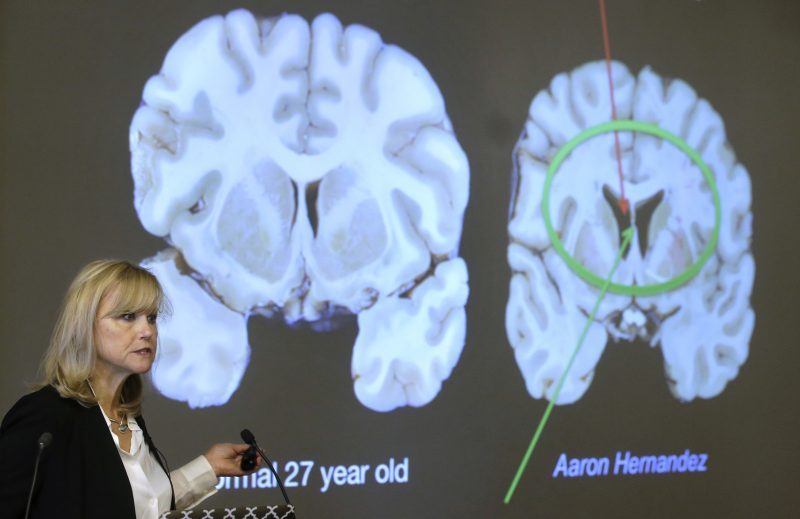
A recent study led by researchers from Massachusetts has revealed alarming findings regarding chronic traumatic encephalopathy (CTE) in former NFL players. The study, published in The BMJ, examined NFL players who died between 2008 and 2021. It suggested that over a quarter of them developed CTE, a degenerative brain disease diagnosed postmortem.
Key Findings from the Study
Out of more than 1,700 NFL players who died during the study period, 338 had their brains studied. The analysis confirmed that 315 of these donors had CTE. In the last six years alone, 235 players donated their brains, and 210 were found to have CTE.
CTE affects brain function due to a build-up of abnormal proteins that damage brain tissue. This condition commonly affects individuals with repeated head impacts, such as football players. Nonetheless, CTE is also associated with athletes in boxing, soccer, and hockey, as well as military personnel and first responders.
Symptoms and Impact of CTE
CTE symptoms can manifest years or decades after initial exposure to head impacts. Symptoms include problems with thinking, emotions, mood, and suicidal thoughts, affecting daily activities. The CDC advises that having symptoms like these does not necessarily equate to a CTE diagnosis, and consulting a doctor is crucial.
Research continues to better understand CTE, focusing on its development, associated risk factors, and potential early diagnosis methods. Boston University’s CTE Center remains at the forefront of these efforts.
Notable Cases
Several high-profile cases have emerged from the study’s findings. Former Dallas Cowboys defensive end, Marshawn Kneeland, was diagnosed with Stage 1 CTE following his suicide. Aaron Hernandez, who died in prison, was found to have Stage 3 CTE. Frank Wycheck, formerly of the Tennessee Titans, had Stage 3 CTE, determined after his unfortunate death in a fall.
Demaryius Thomas, who passed away in 2021, struggled with CTE symptoms such as depression and anxiety, later confirmed as having Stage 2 CTE. Similarly, Irv Cross, who died in 2021, experienced mood swings and memory loss due to Stage 4 CTE, according to Boston University researchers.
Phillip Adams’s fatal shooting spree before his suicide in 2021 was linked to Stage 2 CTE. Additionally, Shane Tamura, who committed a violent act in a building housing the NFL’s headquarters, was claimed to suffer from CTE, although he never played professionally in the NFL.
CTE remains a critical issue in sports, necessitating further research and awareness to protect athletes from this debilitating condition.