
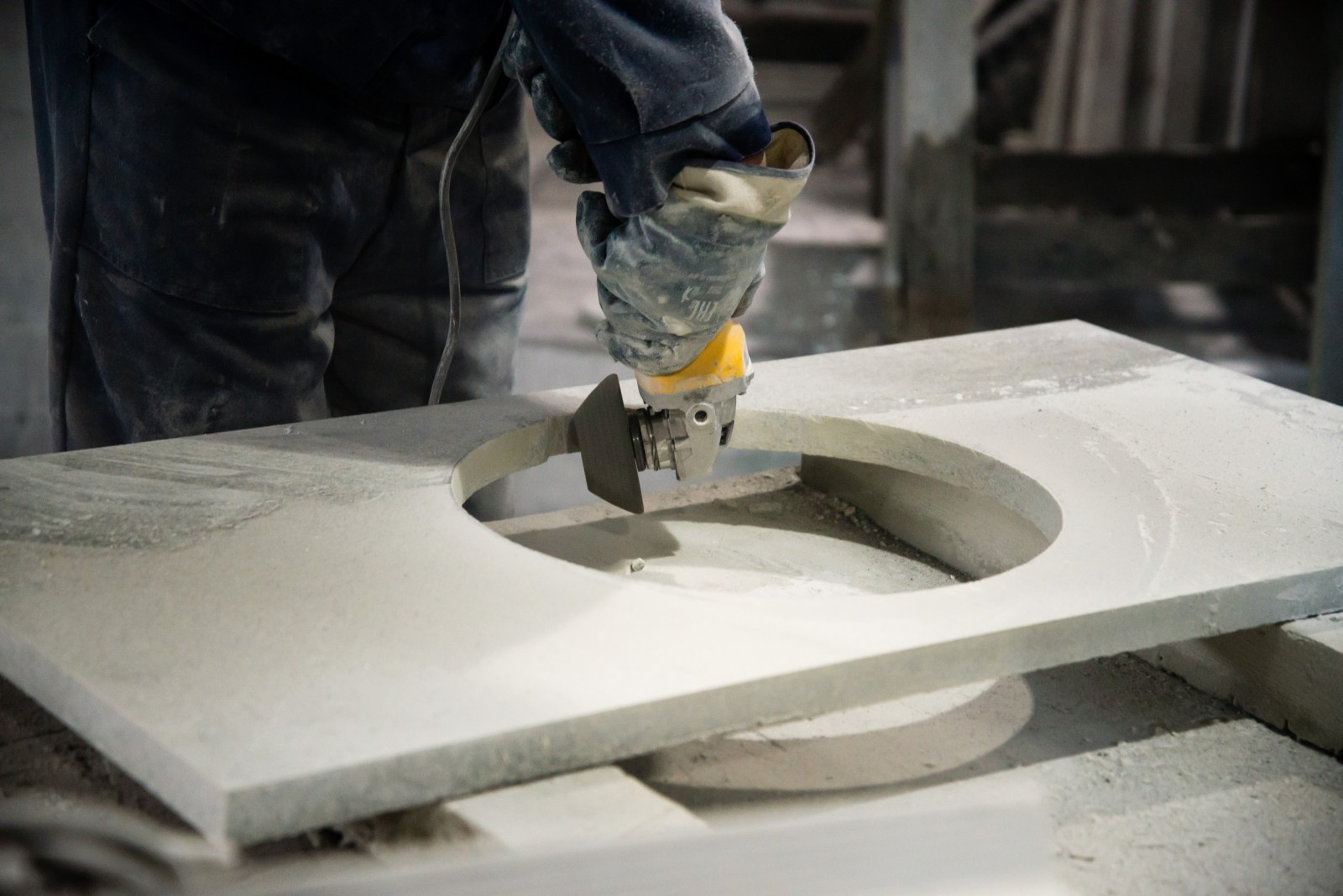
In California, hundreds of workers handling engineered-stone countertops have been diagnosed with silicosis, a serious lung disease caused by inhaling fine silica dust. The California Department of Public Health (CDPH) reported 592 confirmed cases between January 2019 and June 2026. Tragically, 31 workers have died, and 65 needed lung transplants.
Silicosis is raising alarms over the safety of workers involved in the manufacturing, cutting, grinding, polishing, and installation of engineered-stone countertops, commonly known as quartz. The CDPH’s research began in 2019. Engineered stone often contains over 90% crystalline silica. Dust from cutting or grinding these materials can be inhaled, leading to health issues.
Understanding Silicosis
Silicosis is an irreversible lung disease arising from inhalation of respirable crystalline silica dust. This dust is released when silica-containing materials are processed—cut, drilled, or ground. Particles settle deep in the lungs, causing inflammation and scarring. Damage from silicosis can disable or even kill.
Other health risks from silica exposure include lung cancer, chronic obstructive pulmonary disease, kidney disease, and autoimmune conditions. Engineered stone is especially risky due to its high silica content. Exposure risks are highest during cutting, grinding, or polishing operations which create airborne dust.
Symptoms such as coughing, fatigue, shortness of breath, and chest pain may indicate silicosis. However, symptoms are not always present, potentially delaying diagnosis. According to the National Institute for Occupational Safety and Health (NIOSH), silicosis isn’t reversible but can be prevented.
The Potential Scope of Silicosis
David Michaels from George Washington University’s Milken Institute emphasizes that California’s figures likely represent a fraction of cases nationwide. He advocates for vigilance among healthcare providers and public health departments to address the issue and protect worker health.
Silicosis develops over years of exposure, although high levels of exposure can cause quicker onset and more severe cases. Although California faces the most significant outbreak in the U.S., other states report similar cases. A 2019 CDC report identified 18 cases, including fatalities, among stone workers in states like Colorado, Texas, and Washington.
Precautions for Workers
The CDPH highlights that most affected workers in California are relatively young, immigrant men from Mexico and Central America. Many cases were linked to poor dust control and late diagnosis.
In response, NIOSH and OSHA enhanced alerts around the hazards of silica dust for workers involved with engineered stone countertops. Workers should inform their doctors about their work history with engineered stone, especially if respiratory issues occur.
Healthcare providers are urged to inquire about work history and consider testing for those exposed, even without symptoms. Workers should question employers on silica dust control measures and seek medical advice if they experience persistent respiratory symptoms. Wet cutting, local exhaust ventilation, enclosures, and appropriate respiratory protection are recommended to prevent inhaling silica dust.
The risk primarily concerns workers during fabrication, finishing, or installation, rather than consumers using quartz countertops. Employers and safety protocols must prioritize dust control to safeguard worker health.