
The world of college athletics is facing a shake-up after the SEC and Big Ten introduced new rules about athlete eligibility. These changes affect athletes planning to join teams following recent legal orders, such as injunctions and restraining orders, granted by several judges. On Tuesday, both conferences, with the upcoming inclusion of the ACC and Big 12, decided to prevent athletes with professional sports experience from rejoining college teams.
This move comes after players in various states received legal permission to play this season, challenging the NCAA’s new eligibility rules. These guidelines allow athletes five years to compete in five college seasons.
The new policies prohibit athletes with professional ties from participating in SEC and Big Ten competitions. This includes athletes who:
- Signed with a professional team
- Declared for an NFL, NBA, or WNBA draft
- Participated in professional training camps
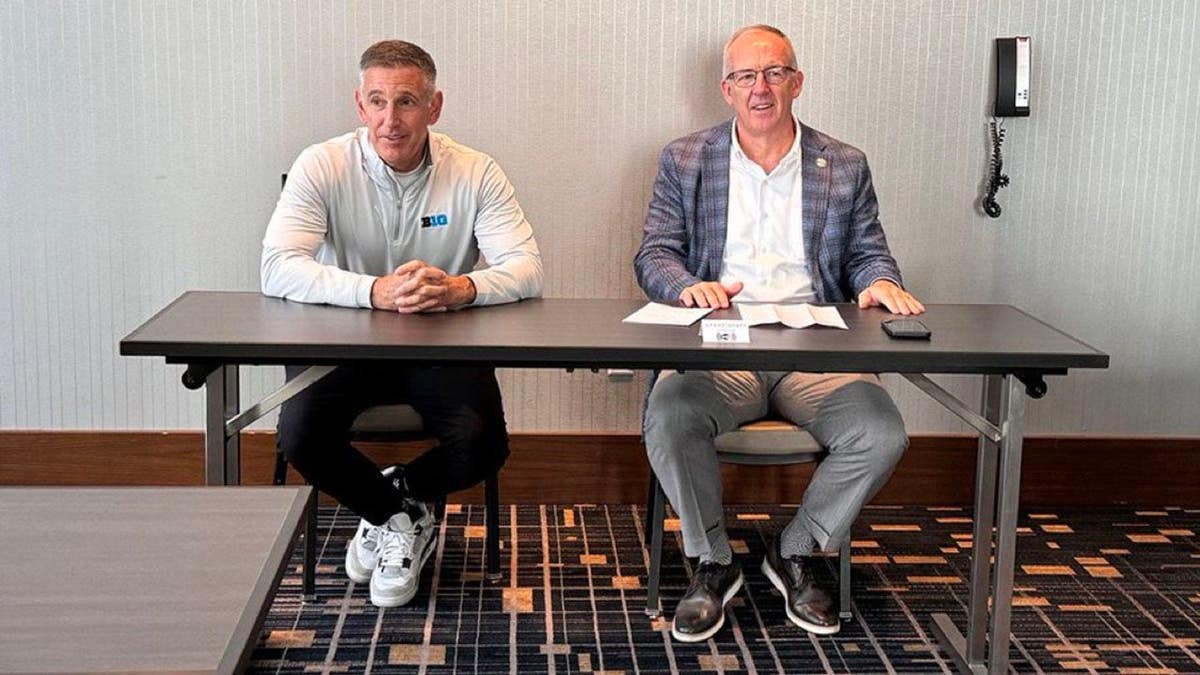
The SEC has empowered Commissioner Greg Sankey to enforce these rules, including suspensions for coaches and fines for schools violating them. As for the Big Ten, Commissioner Tony Petitti recently shared details at a media event.
Attorney Ryan Downton, representing some athletes, is developing a legal strategy to oppose these conference guidelines, claiming they contradict court orders. Downton argues that the NCAA’s actions conflict with judicial rulings and compare the conference’s moves to cartel-like behavior.
In this complex situation, LSU coach Lane Kiffin has emerged as a central figure. While not the first to recruit players with NFL experience, Kiffin has defended his decision, citing ongoing court rulings that re-opened eligibility for certain players. LSU will welcome former Ole Miss football players Dae’Quan Wright and Zxavian Harris, who received eligibility via a Louisiana court ruling. Similarly, Texas offensive lineman Cole Hutson secured an extra season through a Texas court ruling.
Attorney Darren Heitner supports LSU’s compliance with court orders, emphasizing that these players should be allowed to contribute to teams. The crux of the issue is whether schools like LSU will bring athletes on board, despite conference violations, when courts have ruled in favor of these athletes.