
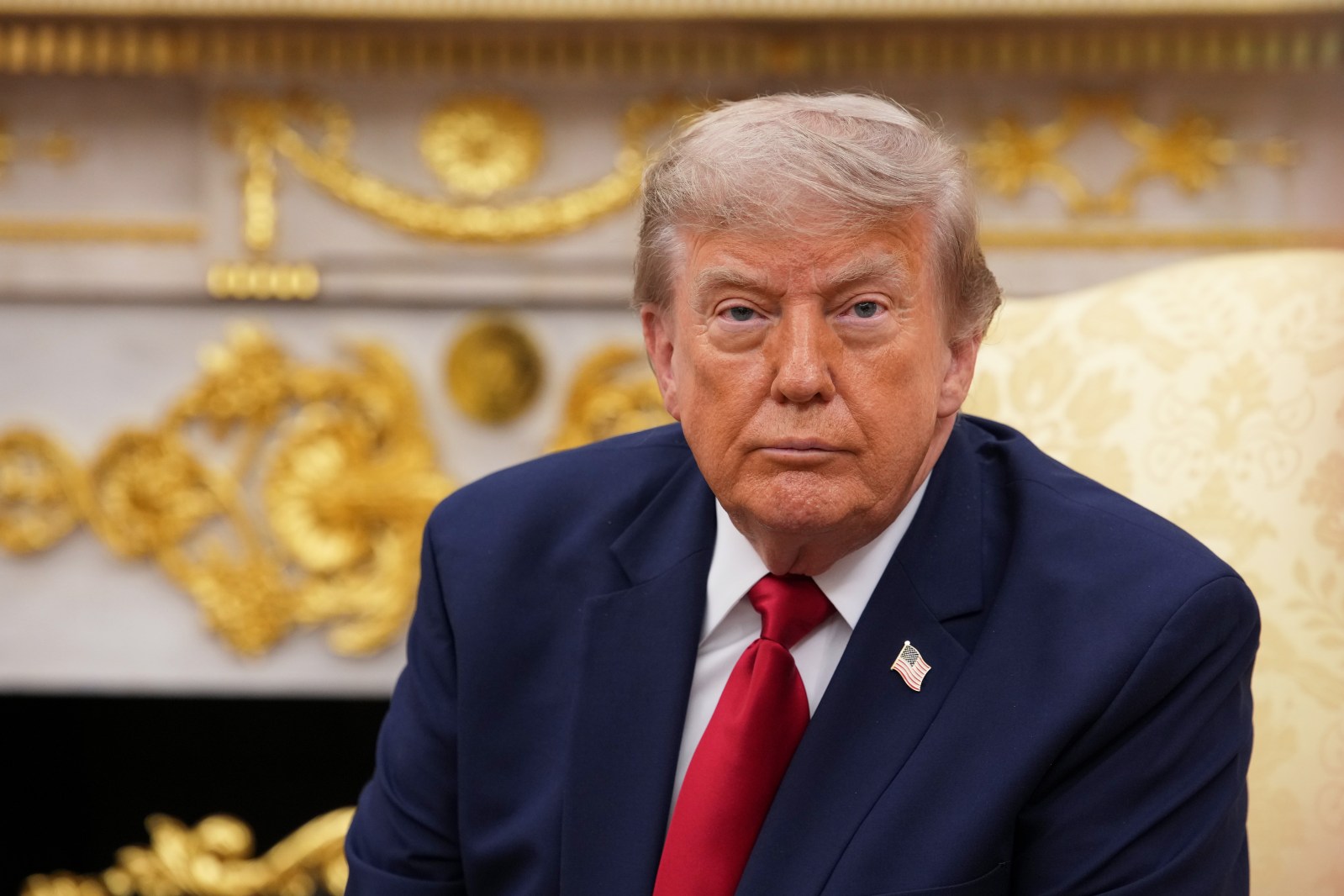
The recent surge in gas prices and new tariffs have put pressure on Republicans ahead of the midterm elections. Gas prices exceed $4 per gallon nationally after a conflict with Iran escalates and tariffs on global partners are renewed.
Polling indicates a growing number of Republican voters blame President Trump for the economic strain. Gas prices have risen, with the national average topping $4 for the first time in over a month. This follows intensified fighting between the U.S. and Iran, leading to increased oil prices.
The administration imposed new tariffs of 10 to 12.5 percent on 60 trading partners after a previous tariff expired, affecting more than 99 percent of U.S. imports.
The White House maintains that efforts to stabilize the region will eventually lower oil and gas prices. Trump dismisses connections between the economic issues and upcoming elections, claiming public support.
Some Republican voices express concern over the war’s impact. West Virginia Senator Shelley Moore Capito notes public fatigue, while GOP Senator Rand Paul criticizes the campaign’s success. Pennsylvania Representative Brian Fitzpatrick emphasizes the focus on affordability.
Republican support wanes as some senators seek alternatives. A Capitol Hill vote saw several Republicans backing a resolution urging an end to the war. House Speaker Mike Johnson wants the conflict resolved, highlighting internal party divisions.
Economic dissatisfaction grows among the electorate. A Washington Post-ABC News-Ipsos poll shows 65 percent disapproval of Trump’s economic handling, with 66 percent citing unaffordable groceries. Pew surveys note rising Republican concern over economic policies.
Strategist Alex Patton highlights challenges in forming a coherent affordability message amid increasing prices for essentials like fuel and food. GOP approval for tariff increases shows division, particularly among non-MAGA Republicans.
Polling analysis reveals public perception of rising gas prices, influencing voting decisions for November. In crucial battleground districts, Republican incumbents face heightened economic pressures as prices climb faster than the national average.
California and Colorado face significant price jumps, complicating Republican efforts. Data indicates that the U.S.-Iran ceasefire status directly impacts Trump’s approval ratings. Strategist Mike Madrid observes cracks in the GOP base, with Republicans losing notable support.
Democratic strategist Jesse Ferguson sees this as an advantage, with the majority of the country experiencing economic strain. Democratic leads in polls indicate potential shifts, yet forecasters remain cautious about outcome predictions.
The structural advantages Republicans hold may limit Democrat gains, despite favorable polling. Patton warns of barriers like redistricting and infighting among Democrats, providing a firewall for Republicans.
As prices surge again, Republicans have limited time to address these challenges before voters cast their decisions in November.