
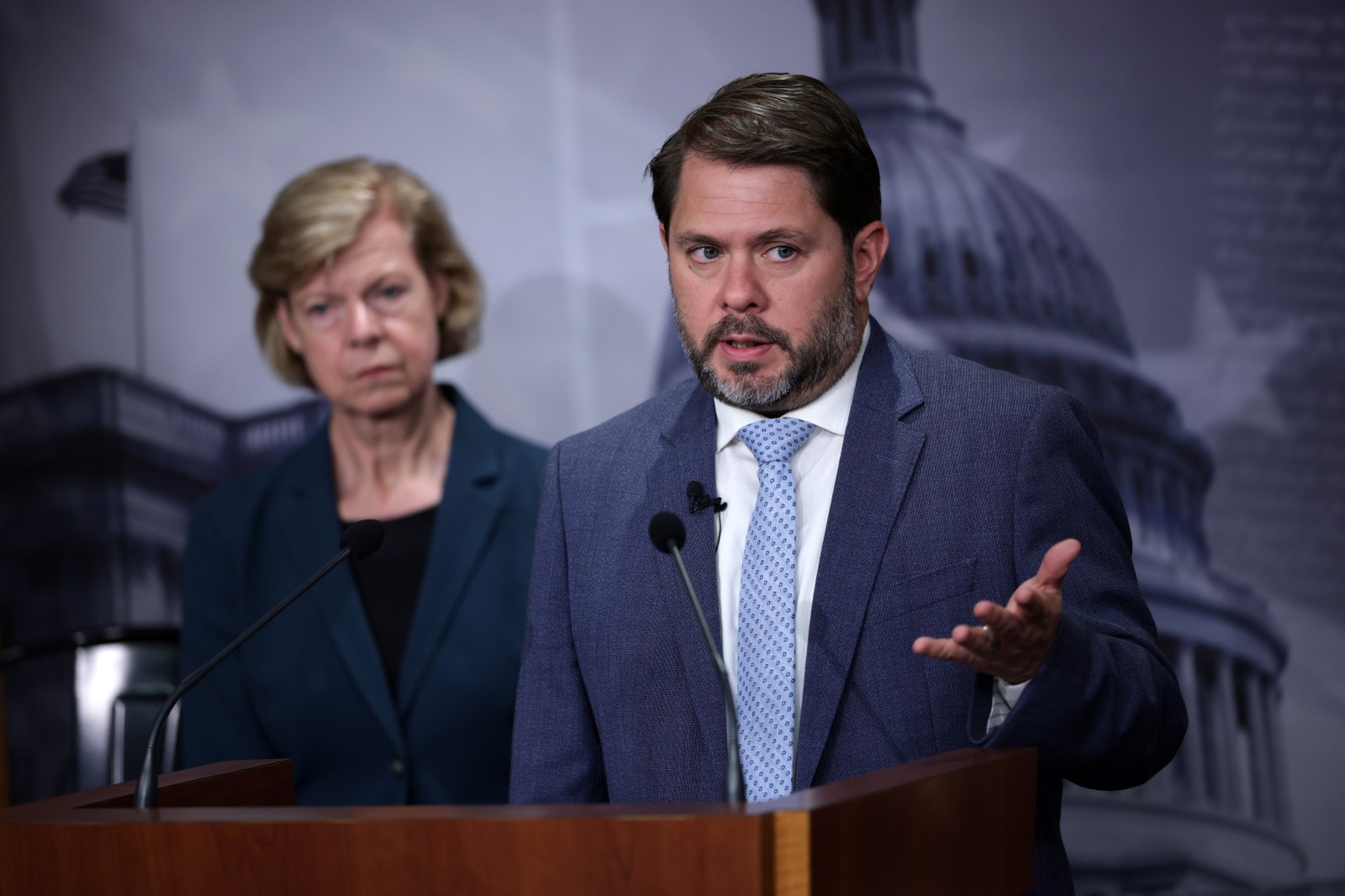
An increase in the pay rate for overtime hours could significantly impact American workers. Senator Ruben Gallego, a Democrat from Arizona, has put forth the Double the Wage for Overtime Act of 2026. The proposed legislation aims to raise the federal overtime pay rate from the current ‘time-and-a-half’ standard to double a worker’s regular hourly wage for hours worked beyond 40 in a week.
Impact on Workers
The last time overtime rates doubled was nearly 90 years ago. Gallego emphasized the need for this change, especially when families are struggling to meet their needs. If approved, this bill would amend the Fair Labor Standards Act of 1938, which has mandated 1.5 times the regular rate for overtime hours. The change would come into effect 180 days post-enactment.
“Workers have not seen their overtime rate double in nearly 90 years. And at a time when families are stretching every dollar to afford their needs, increasing the overtime rate will put more money in their pockets,” stated Gallego.
Why Timing is Crucial
The bill appears at a time when many Americans face increasing living costs and stagnant wages. Advocates argue for greater compensation for workers who invest extra hours. However, critics highlight potential impacts on businesses with thin profit margins.
Gallego’s office estimates that about 13.4 million workers could benefit from this change. Under current regulations, a $25-per-hour worker earns $37.50 per hour for 10 overtime hours weekly. Under the new proposal, the rate would increase to $50, resulting in an additional annual income of approximately $6,500.
“For workers, that could provide meaningful relief during periods of higher inflation and encourage additional labor-force participation,” Alex Beene, a financial literacy instructor, explained to Newsweek.
Sector-Wise Implications
The bill particularly affects sectors heavily reliant on overtime, including manufacturing, healthcare, and public safety. An increase in wages could drive consumer spending as households tend to spend more when they earn extra income.
Conversely, businesses might respond with higher prices, reduced hours, or hiring more workers instead. Michael Ryan, founder of MichaelRyanMoney.com, noted that businesses might avoid additional costs by limiting overtime opportunities.
“Doubling overtime pay would put real money in workers’ pockets fast,” Ryan mentioned. “The catch is what happens next. Employers don’t treat overtime pay as free money, they treat it as a lever.”
Potential Economic Effects
The legislation might provide conflicting incentives for employers. Some might absorb costs or transfer them to consumers. Others could limit overtime and hire more staff to manage expenses.
Democratic Representatives Greg Casar of Texas and Pramila Jayapal of Washington co-sponsored related House legislation. They argue this move could counter high inflation and unsustainable work hours, benefiting wage growth and worker protections.
Support and Opposition
The bill receives support from major unions like AFL-CIO and United Steelworkers. Many advocacy groups also endorse it, including the Economic Policy Institute. However, Republican support remains absent, casting doubt on the bill’s advancement in Congress.
Michael Ryan pointed out, “It’s a messaging bill right now, not a law in progress. Every co-sponsor in both chambers is a Democrat, and it’s sitting in a Republican-controlled committee.”
Next Steps
The bill has been submitted to the Senate and sent to committee. For it to pass, it must gain approval from both Congress chambers and receive presidential assent.
Kevin Thompson, CEO of 9i Capital Group, expressed concerns. He stated, “Rather than paying employees double time, businesses will have a strong incentive to hire lower-cost labor.”