
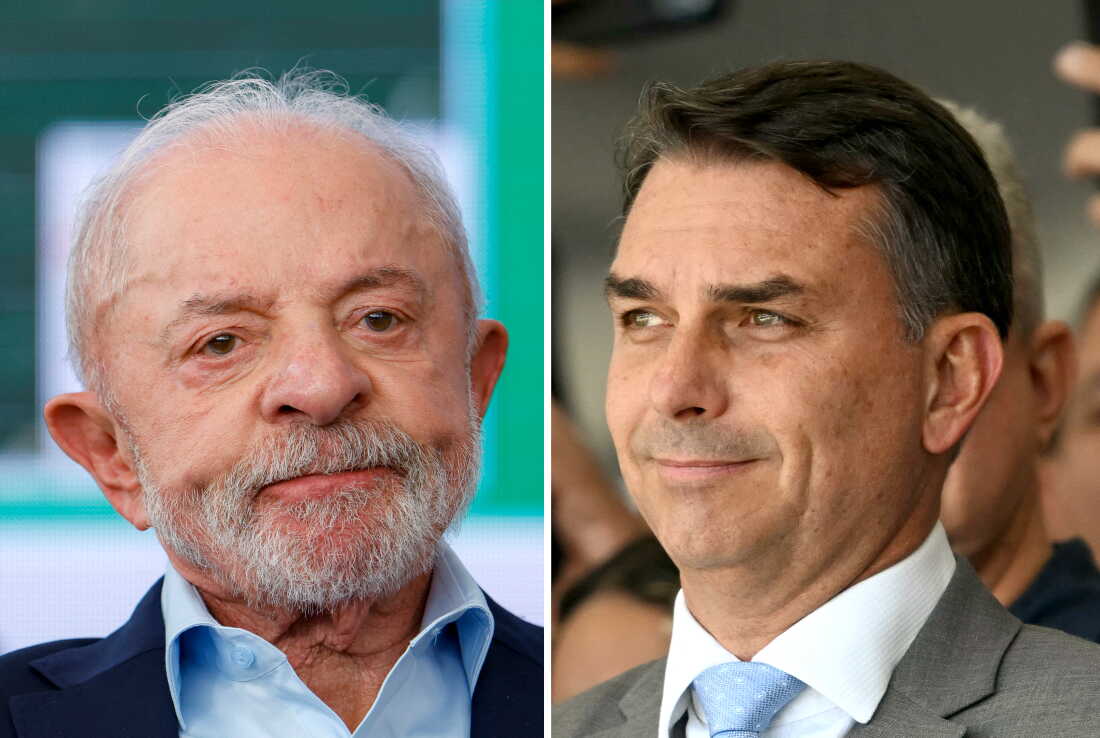
The presidential race in Brazil is advancing to a runoff between Luiz Inácio Lula da Silva, the left-wing incumbent, and right-wing Senator Flávio Bolsonaro. Neither contender amassed over 50% of valid votes in the first round. Bolsonaro surpassed Lula with over 47%, while Lula accumulated 44% of the votes.
This election echoes past events, as Lula narrowly defeated Jair Bolsonaro, Flávio’s father, in the 2022 elections. Jair Bolsonaro is now serving a house arrest sentence of 27 years after being convicted of attempting to overturn the election results. Flávio intends to continue his father’s policies, a promise reinforced by Sunday’s strong performance from the Bolsonaro camp countrywide.
Supporters of Lula, who aims for a fourth nonconsecutive term, expressed both excitement and concern following the initial results. The race suggests a rightward trend in Brazilian politics. While Lula’s goal is to maintain broad social spending and resist aggressive U.S. policies, Bolsonaro aims to reduce the deficit and realign foreign policy with Washington. The presidential hopefuls trailing behind Lula and Bolsonaro were also right-wing, offering Bolsonaro a potential voter base in the runoff.
Additional elections saw significant right-wing gains in the Senate, potentially expanding Bolsonaro’s political influence should he win the presidency. Lula’s strategy focuses not only on defending his past achievements but also on rebuilding the coalition that supported his victory in 2022. Younger voters have shown decreased enthusiasm for his campaign, challenging his ability to reconnect with a diverse voter base.
“I think the campaign feels more muted because people are tired of fighting,” said 38-year-old nutritionist Raysa Tavares, who voted in Rio de Janeiro’s Vidigal favela.
Voters are preparing for intensified campaign efforts over the upcoming three weeks. The last election’s second round saw heightened political violence. This year’s race is set against the backdrop of Trump’s U.S. presidency, influencing Latin American politics which has become a topic in the campaigns.
Lula has accused the U.S. of interference, contested by the U.S. State Department. Bolsonaro’s rallies prominently feature American flags and Trump figures, while Lula’s message emphasizes safeguarding Brazil’s sovereignty. Such bilateral relations, along with domestic topics like security, corruption, and the economy, will shape the discussions leading up to the runoff.
The October 25 contest poses a pivotal decision for Brazil: reaffirm Lula’s leadership or embrace a rightward political shift as seen in the first-round ballots.