
As we mark the 25th anniversary since the September 11 attacks, nearly 3,000 victims’ families continue waiting for justice. Despite efforts, the case against alleged 9/11 mastermind Khalid Sheikh Mohammed and three co-defendants faces extensive delays. A military judge has tentatively scheduled the trial for June 5, 2028, 27 years after the tragedy. However, recent legal rulings highlight ongoing obstacles, including the exclusion of statements Mohammed made to FBI agents, emphasizing challenges that plague the case.
Unresolved Legal Issues
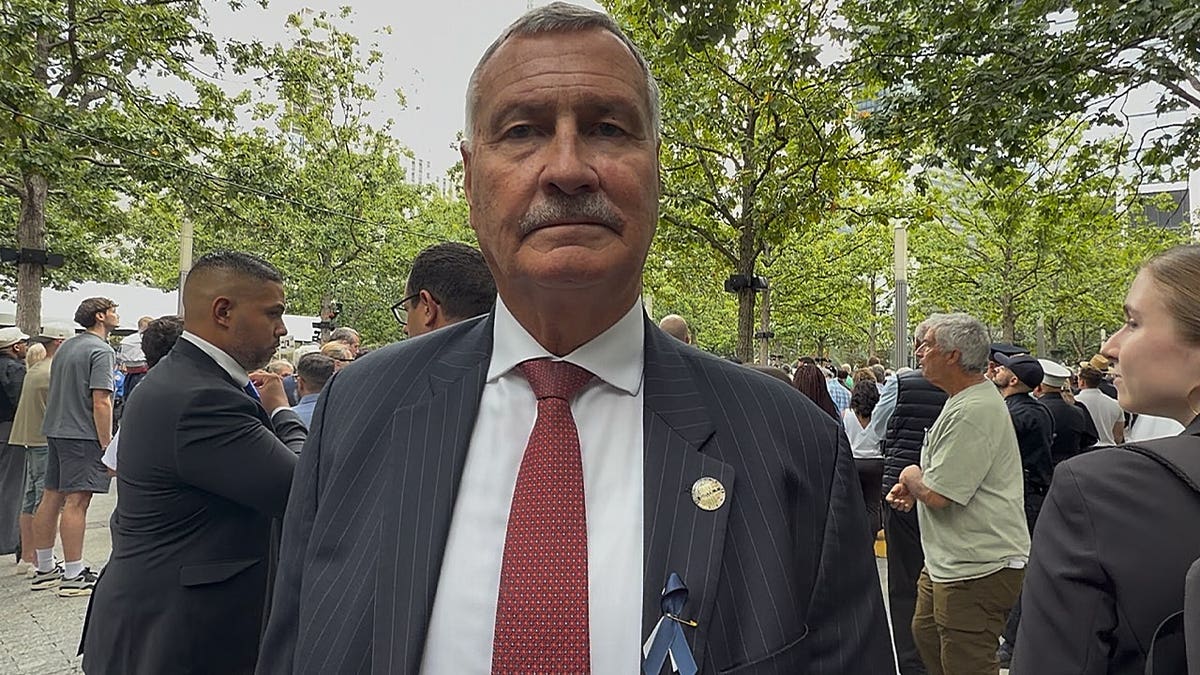
John Ryan, a former chief of department with the Port Authority Police, is among those witnessing the prosecution’s lengthy litigation, which involves evidence obtained after the defendants experienced torture in CIA custody. Pretrial motions, a failed plea agreement, and several changes in military judges have impeded progress. Ryan is a commander with the FBI-led Joint Terrorism Task Force, expressing frustration over the slow journey to justice.
“It’s like an open sore, and that sore gets even more hurtful when we get to anniversaries,” Ryan said. “We still have not convicted or taken to justice the five people held at Guantánamo Bay.”
Notably, a fifth defendant, Ramzi bin al-Shibh, is handled separately after being found mentally incompetent to stand trial. The recent ruling preventing prosecutors from using Mohammed’s FBI statements stems from coercive treatment during U.S. custody, presenting a prominent hurdle.
The Impact on Families
The ongoing delays add to the trauma experienced by families who lost loved ones. Sean Passananti, who lost his father in the North Tower, voiced frustration, stating that the case feels increasingly detached from the crime’s magnitude.
Passananti said, “It feels really like a twilight zone and unbelievable that we have to fight for justice for the worst terrorist attack on our soil.”
Dennis McGinley, who lost his brother in the South Tower, shared a sentiment that the prolonged wait makes closing this painful chapter difficult. McGinley urged President Trump to take decisive action to resolve what has become an American embarrassment.
“It is like the wound never healed, and every year we get salt poured back into that wound,” McGinley said.
Ryan expressed that his professional life remains intertwined with the case’s progression, acknowledging the admissions of guilt from the defendants but lamenting the slow judicial process.
Historical Context and Challenges
The defendants, including Mohammed, have been in U.S. custody for years. Captured in Pakistan in 2003, Mohammed spent time in CIA “black sites” before being transferred to Guantánamo in 2006. His harsh treatment remains a focal point in legal disputes, with defense attorneys arguing that coerced statements cannot be voluntary. Prosecutors contend statements made to FBI agents by a “clean team” should be considered admissible.
The case’s trajectory has been affected by various factors, including judge changes, the pandemic, and a thwarted plea agreement. A 2014 federal appeals court decision blocked defendants from entering guilty pleas following withdrawn plea deals. Moreover, efforts to try defendants in Manhattan federal court were abandoned, moving the case back to military commissions.
Meanwhile, the civil lawsuit by 9/11 families against Saudi Arabia intersects with the broader pursuit of accountability. Families hope a trial might clarify pre-attack support. The civil case focuses on alleged assistance from Saudi personnel to hijackers, separate from the Guantánamo charges.
For many, the lengthy legal process spans generations, affecting children who grew to adulthood and older relatives who fear lacking closure. Should the current schedule remain, proceedings will begin in June 2028, almost 27 years post-attacks.
Ryan said, “Our justice system isn’t designed to work that late. It’s meant to produce justice promptly, with emphasis on victims and not the five enemy combatants.”