
China’s recent state visit to the United States resulted in a temporary extension of trade peace, but did not alleviate all tensions. Chinese President Xi Jinping’s visit to Washington was marked by formal ceremonies, including being greeted by President Donald Trump, troop reviews, and a state dinner. Talks between the two leaders led to a two-month extension of a trade truce, now ending on January 10. Xi emphasized peaceful coexistence between the two nations and urged Trump to manage Taiwan-related issues carefully, advocating against Taiwan’s independence.
The discussions did not adequately address critical issues like rare-earth shortages, essential for making weapons such as missiles and warships. The White House indicated that both sides would continue working to resolve this issue, underscoring America’s goal to reduce supply vulnerabilities.
Reports indicate China’s extensive shipbuilding efforts continue, aiming to expand their naval capabilities significantly.
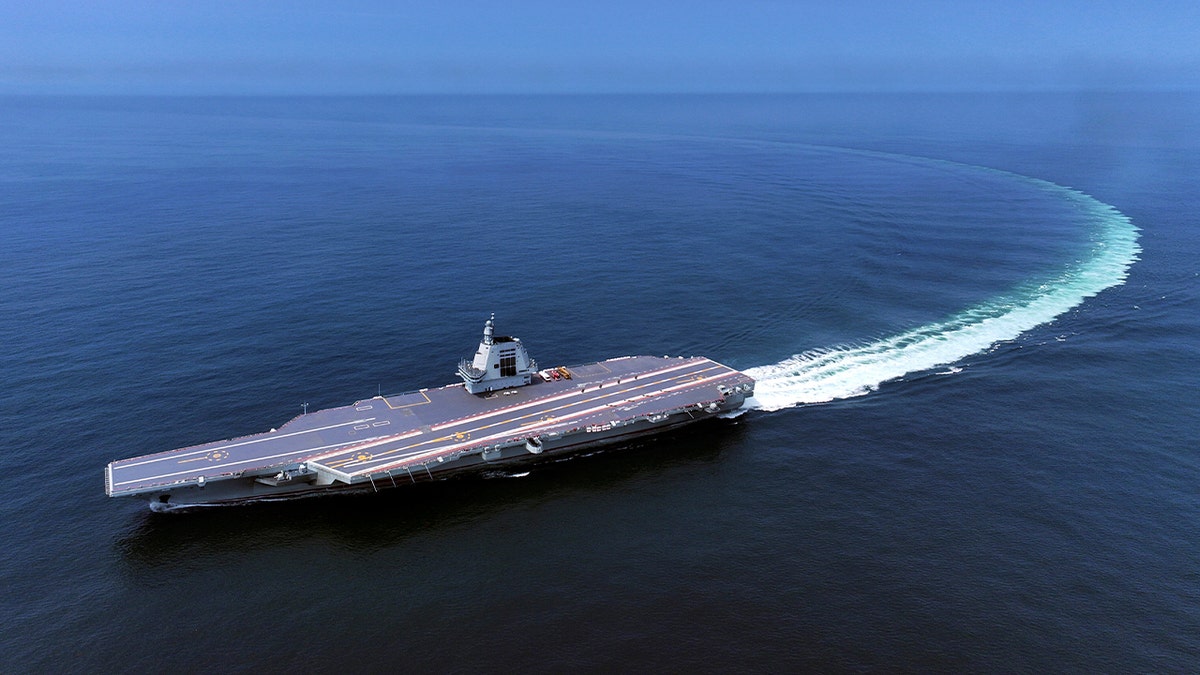
China has rapidly developed a modern navy, including destroyers, frigates, carriers, and submarines. However, operating and maintaining these ships involves costly investments. Reports suggest that the most crucial work to maintain these vessels will begin around 2031, significantly straining China’s economic resources.
Currently, over 60% of ships’ life-cycle costs arise from their operation and support. The maintenance crews and repair yards face challenges, exacerbating financial pressures, especially as local governments encounter fiscal difficulties. In numerous provinces, revenue covers less than half of local government spending. Additionally, Beijing’s strategy of formalizing local debts has increased visible debts and heightened fiscal strain, worsening the potential economic impact over time.
China may find emulating historical fiscal strategies unsustainable, as modern geopolitical dynamics differ vastly.
Contrasts with historical precedents like Nazi Germany’s financial maneuvers highlight the limitations China faces. Unlike historical figures who resorted to looting to sustain military expenditures, Xi has limited options. Efforts to control resources, such as rare-earth minerals crucial to Western industries, may not yield long-term leverage. As U.S. dependencies on Chinese refined magnets decrease, America’s vulnerability is set to lessen over the years, reducing China’s strategic advantage.
Recent meetings have not shifted policy on Taiwan or minerals significantly. The Chinese leadership’s centralization efforts may concentrate power, but maintaining their extensive modern naval fleet will grow increasingly expensive. It is crucial for the U.S. to maintain a posture of strength to deter aggression, utilizing the remaining years to strengthen supply chains and military resilience.
In conclusion, while ceremonial diplomacy continues, China’s economic challenges and the scheduled maintenance of its military investments post-2031 present significant hurdles. The next few years are critical for the U.S. to mitigate potential threats and bolster its strategic positions.