
Summary of Allegations
An oversight group discovered that Texas girls’ volleyball coach Ryan Richardson engaged in sexual misconduct with a minor. These serious allegations were among other claims leading to his ban. Despite these actions, Richardson continued to coach children, with significant sports organizations failing to prevent his access.
Initial Reports and Parent Concerns
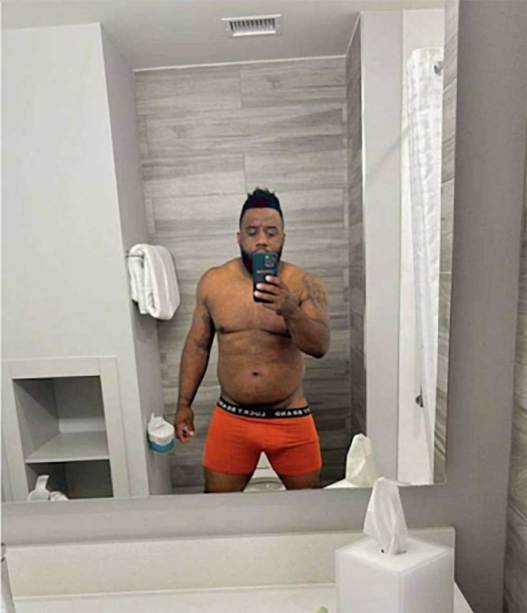
In early 2024, Texas Fierce Elite coach Ryan Richardson faced suspension. The concerns stemmed from a photo he posted on Instagram, showcasing private behavior that violated organizational standards. USA Volleyball, the national governing body, initiated further action.
In Pharr, Texas, where Richardson coached, parents of players were worried about their daughters’ future. These teenage players were on the brink of competing in a national tournament. Richardson had assured parents that he would continue coaching despite the ban.
Allegations of Sexual Misconduct
USA Volleyball referred Richardson’s case to the U.S. Center for SafeSport. Allegations surfaced that Richardson had an inappropriate relationship with a minor player. Additionally, multiple players reported emotional and physical abuse. Despite being banned from national events, Richardson found loopholes to continue coaching.
Continuing Coaching Amid Serious Allegations
In February of the current year, SafeSport declared Richardson permanently ineligible to coach. The decision highlighted his violations, including misconduct with a minor. However, Richardson carried on coaching teenage girls at his gym, openly sharing this on social media platforms.
Systemic Failures in Protecting Young Athletes
The investigation by ProPublica and The Washington Post exposed serious gaps in the system meant to protect youth athletes. The report cites an inefficient response to Richardson’s case by key organizations. USA Volleyball’s regional partner, Lone Star, failed to adequately monitor or restrict Richardson’s involvement with young players effectively.
Impact on Young Athletes and Community
Richardson’s actions and continued presence in the volleyball community affected many. Parents believed Richardson offered indispensable training crucial for collegiate scholarships. The underlying socioeconomic challenges in Pharr exacerbated the situation.
SafeSport’s Response and Challenges
SafeSport recognizes the inefficiencies and gaps in its enforcement mechanisms. USA Volleyball and Lone Star’s failure to act appropriately emphasized these shortcomings. The oversight body’s responsibility is to ensure banned or suspended individuals do not have influence in youth sports.
Community’s Role in Addressing Allegations
Many individuals in volleyball reported their concerns, contributing to the case against Richardson. However, Richardson exploited the system’s weaknesses, continuing to operate under various affiliations, including AAU and Junior Volleyball Association.
Conclusion
Despite a permanent ban by SafeSport, Richardson continued to interact with players. This reflects significant issues in systemic enforcement and eludes the intended protective measures for young athletes. Ongoing efforts by both organizations and individuals aim to address these lapses.