
A Family’s Struggle for Justice
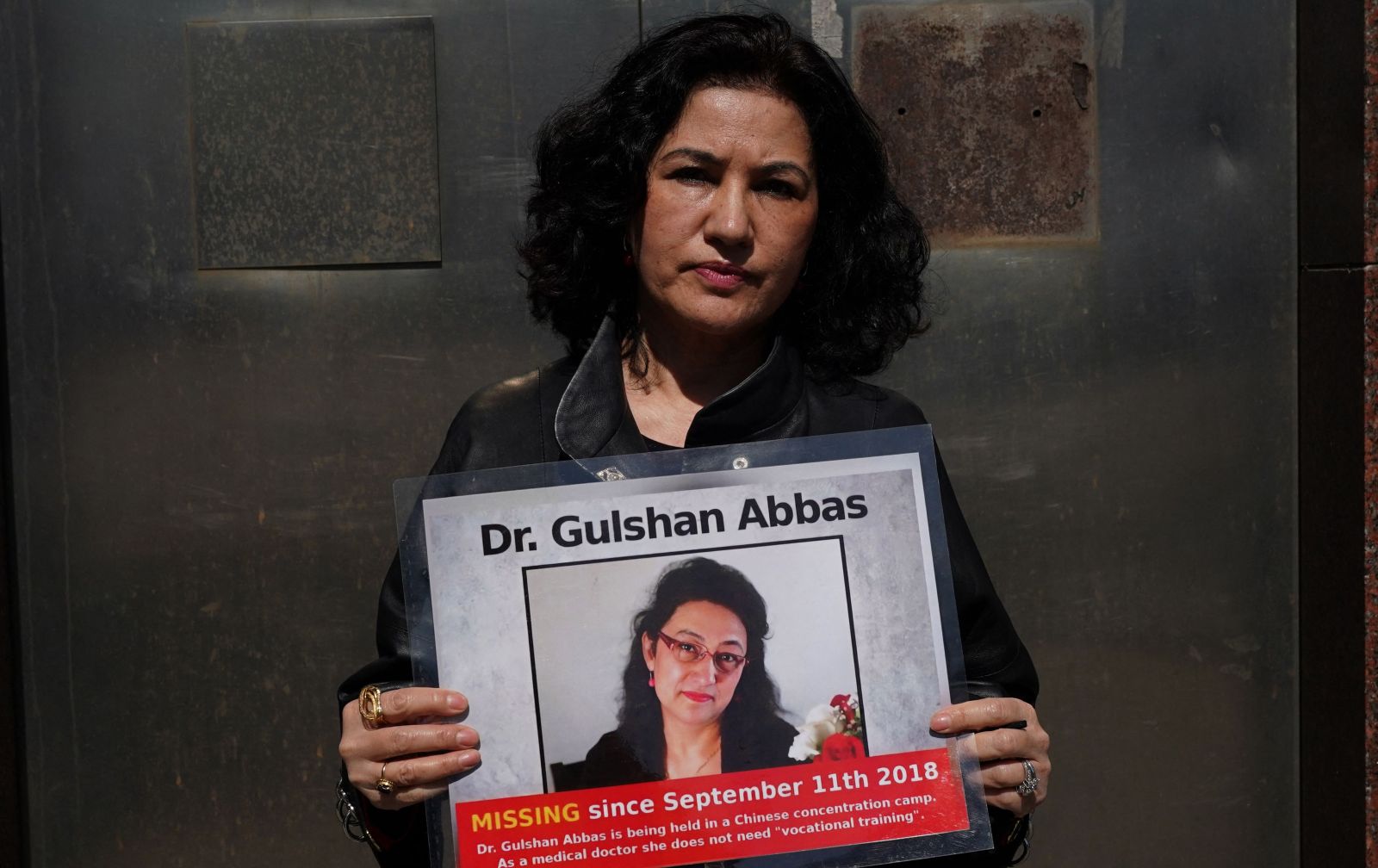
As President Xi Jinping prepares to visit the White House, Ziba Murat holds hope that her mother, Dr. Gulshan Abbas, will be on the agenda. Dr. Abbas, a 64-year-old retired physician, is imprisoned in China for charges deemed fabricated by the U.S. government and human rights groups. This summit marks the third meeting between the leaders this year, and Murat sees it as an opportunity for her mother’s release.
“I hope the president can raise my mother’s case,” Murat expressed in an interview with Newsweek. The family is hopeful that President Trump can address this as he did with Pastor Ezra Jin Mingri’s case, resulting in his release.
Transnational Repression
“This is a very clear-cut case of transnational repression,” Murat told Newsweek.
Dr. Abbas’s sister, Rushan Abbas, has tirelessly advocated for her release since her arrest in September 2018. She believes that speaking out on her husband’s family issues in Xinjiang led to her sister’s arrest by Chinese authorities.
The Case and Its Impact
The situation has garnered bipartisan support within Congress. A resolution introduced by Representative Chris Smith emphasizes the need for President Trump to prioritize the release of political and religious prisoners in China, including Dr. Abbas. The resolution passed unanimously in the House and was supported in the Senate.
Senator Chuck Grassley noted that Abbas’s case deserves attention during Trump and Xi’s discussions.
The State Department has condemned China’s efforts to pressure other governments in returning Uyghurs to China, where they are subject to human rights abuses.
Dr. Abbas’s Dedication and Arrest
Dr. Abbas, who practiced medicine in Urumqi, often helped patients from remote villages access care. Her arrest occurred shortly after Rushan Abbas publicly criticized China’s treatment of Uyghurs.
“She wasn’t arrested for any crime but due to my exercise of free speech,” Rushan Abbas said.
Challenges Amid Uncertainty
For two years after Abbas’s arrest, communication was nonexistent. In 2020, the family learned of her secret trial and a 20-year sentence based on dubious charges.
The accusations against Rushan Abbas and the later disclosure of Dr. Abbas’s trial illustrate the inconsistencies from Chinese authorities.
Health Concerns and Family Impact
Dr. Abbas’s health is deteriorating. She suffers from high blood pressure, legal blindness, and more, with minimal contact outside the prison.
Her imprisonment has affected family life significantly, limiting her connection with her grandchildren.
Political Support and Struggles
Family members have sought support from lawmakers across party lines. Murat was a guest at the State of the Union, and efforts from figures like Marco Rubio remain ongoing.
Despite bipartisan agreements on humanitarian grounds, there has been frustration with the Biden administration’s inability to secure her release.
Hope in Trump’s Foreign Relations
The family sees potential in Trump’s relationship with Xi Jinping. The administration’s proactive stances, like the Uyghur Forced Labor Prevention Act, provide further backing.
Sarah Makin, formerly with the National Security Council, emphasizes Trump’s rapport with Xi as key leverage. Enos adheres to the notion of further mass releases, as achieved elsewhere.
Murat concluded, “My hope is that if President Trump raises this with Xi, he’ll choose the humane option and let her come home.”