
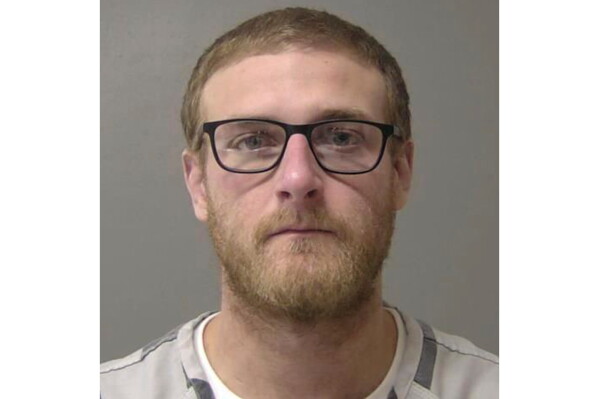
Sean Grayson, a former deputy from Illinois, died while serving a 20-year prison term. He was involved in the highly publicized fatal shooting of Sonya Massey, which drew attention to police use of force. The incident occurred in her home and led to Grayson’s conviction.
Grayson, aged 32, was found guilty of second-degree murder in the shooting of Massey, a 36-year-old Black woman. The incident took place after Massey reported a possible prowler outside her home in the Springfield area. Body camera footage from July 2024 captured Massey crouching in her kitchen and apologizing shortly before Grayson fired at her. This led to his maximum sentence in January.
“I rebuke you in the name of Jesus.” — Sonya Massey
Before the shooting, Grayson had been diagnosed with colon cancer, which had spread to his liver and lungs. In May, early into his sentence, he sought to be released under an Illinois statute for prisoners with terminal illnesses. The Illinois Prisoner Review Board turned down his request.
The fatal encounter began when Massey called 911 on July 6, 2024, to report someone outside her home. Grayson and Deputy Dawson Farley arrived on the scene. Grayson instructed Massey to remove a pot of hot water from the stove. Massey repeated a phrase of religious rebuke, leading Grayson to threaten her before shooting. Farley later testified that Massey did not appear to pose a threat and that he only drew his weapon in response to Grayson’s actions.
Grayson was dismissed from his position after the shooting and initially charged with first-degree murder. Jurors ultimately convicted him of second-degree murder. Grayson claimed he feared Massey might use the hot water as a weapon.
The incident sparked national protests and scrutiny over Grayson’s employment history in law enforcement. In response, the Sonya Massey Act was enacted, mandating more detailed reviews of employment records by law enforcement agencies during the hiring process. The Justice Department subsequently initiated a civil rights inquiry, culminating in an agreement with Sangamon County and other local agencies. This agreement required changes like improved training for encounters with individuals having behavioral health issues and the establishment of a mobile crisis response team.