
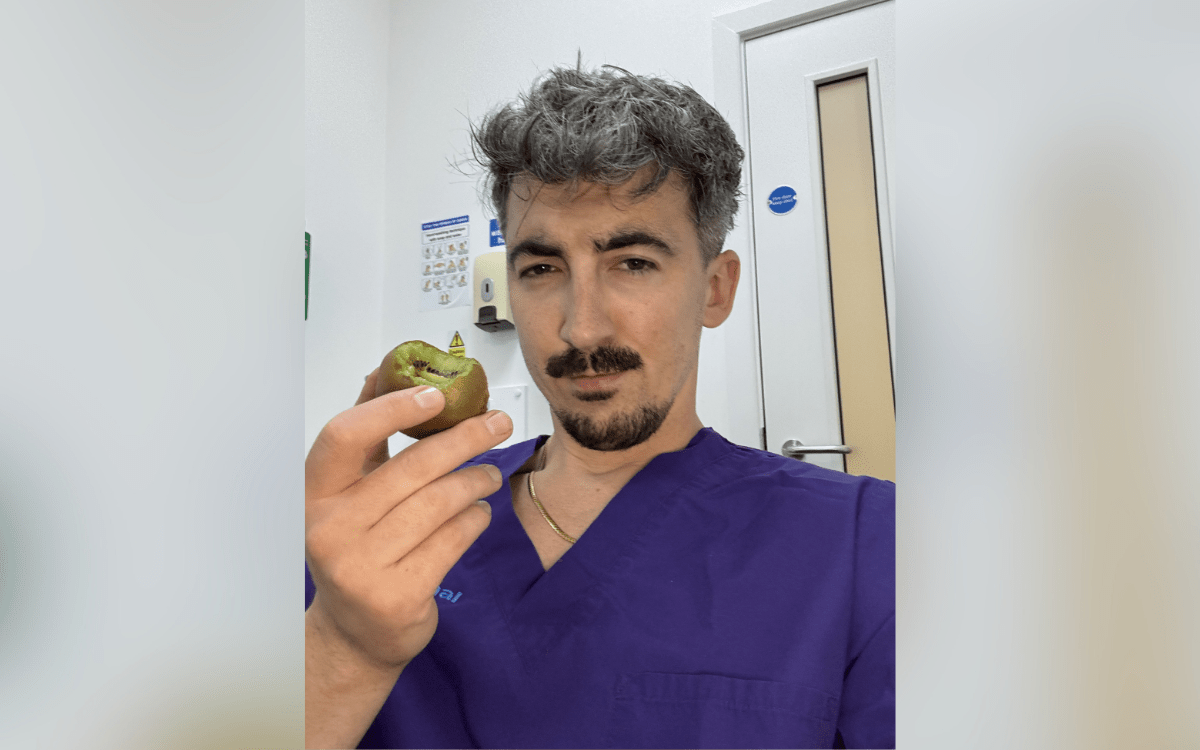
Jordan Haworth, a gastrointestinal physiologist at the Functional Gut Clinic in the U.K., has spent nearly a decade specializing in digestive health. He helps people address their gut issues and is now sharing insights into foods he personally avoids. These include surprising items that many might consider healthy.
Understanding the importance of gut health has evolved over time. Haworth acknowledges the significant influence gut health has on mood, metabolism, skin, and immunity. Despite growing interest in this area, awareness is still relatively low. A survey by Danone North America in 2024 revealed that 41% of Americans were unaware of the gut microbiome’s existence, and 50% didn’t know it affects gut health.
The Gut Microbiome Explained
The gut microbiome consists of trillions of bacteria and microbes residing in the digestive system. These organisms assist in food digestion, produce beneficial compounds, bolster immune function, and fight off harmful pathogens.
Foundations of Good Gut Health
Haworth emphasizes that gut health is often made overly complex. He critiques how supermarkets and supplement companies have complicated the term and advises that maintaining gut health does not require costly probiotic pills or powders. Instead, he champions focusing on the foundational elements of gut health, referred to as the “three Fs”:
- Fiber: Incorporate beans, oats, apples, pears, whole grains, chia seeds, and psyllium.
- Phenols (polyphenols): Consume foods rich in polyphenols like blueberries, red cabbage, coffee, dark chocolate, and olive oil.
- Fermented Foods: Include yogurt, kefir, kimchi, and sauerkraut in your diet.
He also highlights the importance of prioritizing sleep, managing stress effectively, and engaging in at least 150 minutes of physical activity per week.
Impact of Food Poisoning
Haworth draws attention to the overlooked impact of food poisoning on gut health. He notes that foodborne illnesses can have lasting effects, damaging the gut. Research indicates that one in five individuals might develop post-infectious IBS following a Campylobacter infection, driven by the CdtB toxin that food poisoning bacteria produce. This toxin can cause gut damage, leading to chronic inflammation and increased sensitivity, potentially resulting in new food intolerances.
Avoiding foods prone to causing food poisoning, such as buffets and kebabs, is vital, according to Haworth.
Foods Haworth Avoids
- Raw Oysters: Haworth avoids raw oysters, which are filter feeders, as they can harbor bacteria and pathogens. He would only consume them cooked or if they have undergone depuration to reduce bacteria.
- Rare Beef Burgers: He avoids rare beef burgers because bacteria can infiltrate the patty during processing. Unlike steak, minced beef spreads surface bacteria throughout the patty.
- Sushi: Haworth is cautious with sushi, noting that though sushi-grade fish is deep-frozen to kill parasites, it doesn’t guarantee all bacteria are eradicated. He advises against eating discounted sushi that has been sitting for long periods.
- Sprouts: Despite their health benefits, sprouts are grown in conditions ideal for bacterial growth. Eating them raw poses a safety risk due to soil contamination and bacterial presence.
- Pre-Packaged Salad Bags: Salad bags carry contamination risks due to various handling stages during harvest and packaging. Recent outbreaks linked to leafy greens have highlighted this issue. Haworth recommends buying individual greens like spinach and washing them thoroughly.