
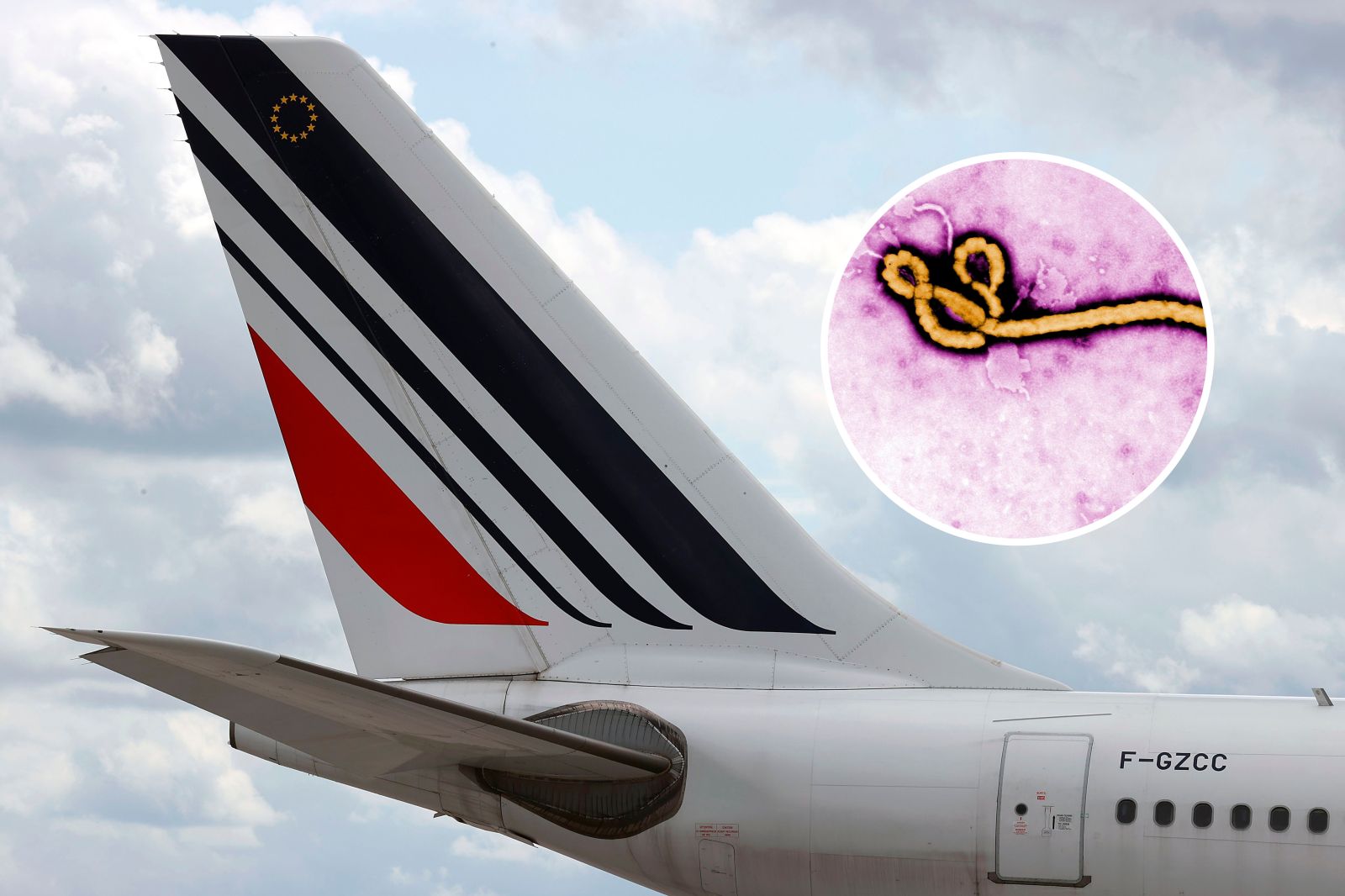
A flight from Paris to Detroit was redirected to Canada over fears of Ebola exposure. A passenger from the Democratic Republic of Congo (DRC) boarded the Air France flight at Charles de Gaulle Airport. U.S. Customs and Border Protection (CBP) stated the passenger should not have boarded due to Ebola-related travel restrictions.
The flight was diverted to Montreal instead of landing at Detroit Metropolitan Wayne County Airport. Non-U.S. passport holders from the DRC, South Sudan, and Uganda face a 30-day travel ban, triggered by an Ebola outbreak from the Bundibugyo virus in northeastern DRC. Uganda has reported imported cases from the DRC.
While South Sudan hasn’t reported cases in the current outbreak, it remains high-risk as per the U.S. Department of Homeland Security (DHS). Efforts to prevent Ebola spread in the U.S. involve enhanced public health measures at a key airport receiving travelers from these nations.
The DHS plans new restrictions for travelers from Ebola-affected countries. Flights from these areas must land at Washington-Dulles International Airport. The World Health Organization (WHO) declared the outbreak a “public health emergency of international concern.” President Donald Trump expressed concern about Ebola.
No Ebola cases are confirmed in the U.S., according to the Centers for Disease Control and Prevention (CDC). Dr. Peter Stafford, an American physician in eastern Congo, contracted the Bundibugyo strain. He is receiving treatment in Germany due to experience in handling Ebola cases there.
As of recent reports, DRC and Uganda have 536 suspected cases, 105 probable, 34 confirmed cases, and 134 deaths. Initial samples from healthcare workers in DRC tested negative but later revealed Bundibugyo virus, causing severe illness.
No vaccine exists for Bundibugyo virus; treatment is limited to supportive care. Death occurs in about 30% of Bundibugyo cases. The 2014-2016 Ebola outbreak saw over 11,000 deaths in West Africa. The current outbreak is DRC’s 17th since 1976.
Ebola poses significant medical, public health, and economic challenges, especially if it spreads to densely populated areas. The disease threatens U.S. health security due to the unpredictable nature of outbreaks and global travel.
The disease is caused by orthoebolaviruses, leading to severe and often fatal conditions in humans and primates. Transmission occurs via contact with bodily fluids from infected persons or animals.
Bundibugyo virus emerged in 2007, linked to large outbreaks in DRC in 2012 and near the DRC-Uganda border in 2007. Ebola shows “dry symptoms” such as fever, aches, and fatigue, and “wet symptoms” like diarrhea, vomiting, and bleeding.
Symptoms typically appear 8-10 days post-exposure. FDA-approved treatments are available for Orthoebolavirus zairense. Supportive care for other strains includes fluids, electrolytes, blood pressure support, and fever and pain management.