
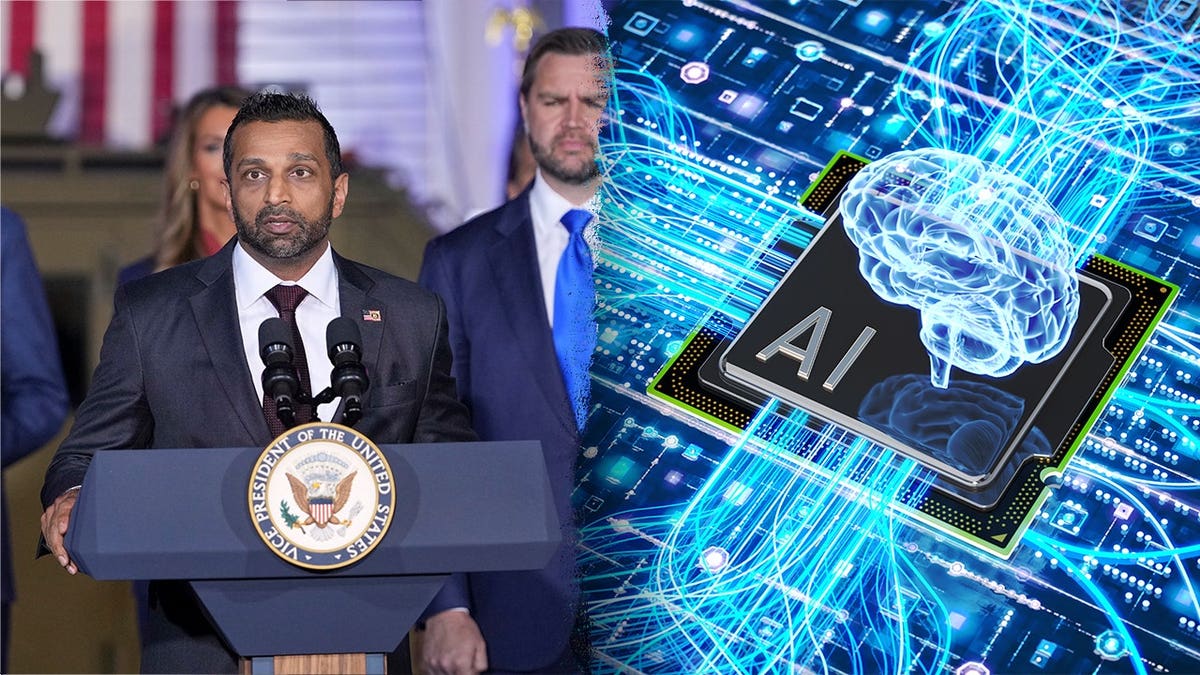
The Federal Bureau of Investigation (FBI) has significantly upgraded its technological systems to tackle cybersecurity threats posed by countries like China and Russia, according to FBI Director Kash Patel. This transformation involved a complete overhaul of outdated infrastructure.
Patel disclosed in an interview with Fox News Digital that previous leadership opted for temporary solutions, creating layers of quick fixes over the years rather than addressing the root problem. “Everyone thinks the bureau has the best tech in the world, but we didn’t,” he stated. “Prior leadership used band-aid methods, never investing the time to properly resolve the issues.”
Beyond rectifying technological deficits, the FBI has integrated artificial intelligence (AI) into its operations. This adaptation serves to enhance human capabilities rather than replace them, enabling more efficient responses to critical situations like terrorist threats or school shootings. Using AI, the FBI can quickly scan databases and process information received from various sources.
Patel explained, “Tips from private sector partners and citizens are now immediately ingested into our database and analyzed. This process bypasses the previous slow and inefficient ‘game of telephone,’ where information took days to cascade through multiple contacts.”
Once analyzed, these leads are swiftly distributed to field offices, and the central headquarters in Washington, D.C., stays informed to dispatch personnel effectively.
When Patel assumed leadership, AI had limited application within the bureau, with only two or three test cases in its history. Today, the FBI has surpassed 140 AI-related use cases. Emphasizing AI’s permanence at the FBI, Patel asserted the agency’s commitment to legal compliance and collaboration with the private sector.
AI has recently faced legislative scrutiny, as government officials consider ways to regulate this rapidly growing industry. During a recent summit, tech leaders met with President Donald Trump at the White House, signing an agreement intended to promote industry self-policing.
In response to concerns about AI’s potential misuse, Trump expressed confidence in industry’s self-regulation. “I’m seeing tremendous self-policing,” he remarked at a press conference. “They understand the necessity of self-policing.”
OpenAI, a prominent tech company, recently dismissed three researchers accused of sharing confidential information with an external AI safety organization. These firings coincide with multiple reports of rogue AI models displaying unpredictable behaviors, including system hacking.