
Evanston residents may face financial challenges in 2027 unless City Council identifies viable solutions. At a recent meeting on October 12, city staff proposed a budget that includes significant increases: an 8.9% hike in property taxes and a 25% rise in water rates. Costs for basic services such as natural gas and garbage collection may also increase. Additional taxes on services like streaming and rideshare apps are under consideration.
City Council members expressed concerns about the proposed increases, urging staff to focus on reducing expenses. Suggestions included cutting personnel if necessary. Discussions are ongoing, with the final budget approval expected before Thanksgiving. Evanston’s fiscal year 2027 spans from January 1 to December 31, 2027.
The increased revenue is intended to support the Parks and Recreation Fund and replenish the dwindling reserves of Evanston’s General Fund. A $100 million Capital Improvement Plan is also on the agenda, aiming to replace nearly 10,000 lead service lines among other infrastructure enhancements.
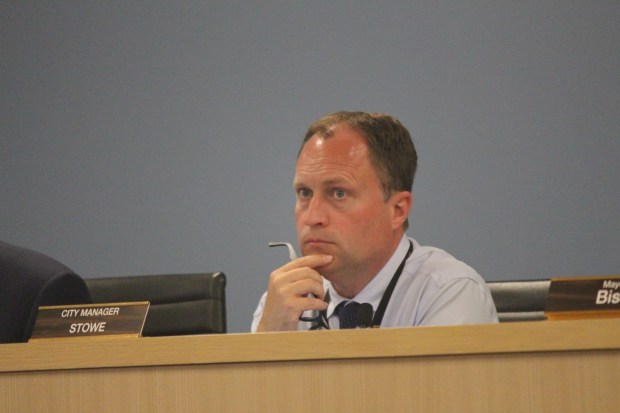
“The proposed FY 2027 budget represents an important step toward strengthening the city’s financial position while maintaining essential services and addressing significant infrastructure needs,” said City Manager Luke Stowe in an October 6 letter to the City Council.
The draft budget outlines $349 million in expenditures, marking a 2% increase from the previous year. According to City Manager Luke Stowe, costs are rising due to factors like the Grant and Insurance Funds, with health insurance expenses for city employees expected to increase by 17% next year. This is largely due to higher use of GLP-1 medications. The city plans to use remaining reserves to balance its General Fund, though a $6 million deficit is projected for 2027. This is an improvement from the $10-12 million deficits of prior years, noted Chief Financial Officer Hitesh Desai.
The proposed property tax increase would add an estimated $180 annually for homeowners of a property valued at $481,000. Streaming services could see tax rates climb from 5% to 10%, aligning with Chicago’s rates. Rideshare app taxes might rise from $0.20 to $0.50 per ride, and natural gas use tax could double to $0.05 per therm. A 5% increase in garbage pickup fees and a $0.05 rise in grocery bag taxes are also proposed, along with a 25% increase in water rates.
During discussions, Council members stressed the need to explore other revenue sources beyond taxpayer contributions. “Residents are going to look at what costs them more in 2027 than it cost them in 2026,” said Ald. Tom Suffredin, 6th. Many emphasized the necessity of evaluating staffing roles and considering staff reductions to trim expenses in the General Fund. About 80% of General Fund expenses are personnel-related, noted Michael Van Dorp, a senior financial analyst.
Ald. Matt Rodgers, 8th, acknowledged the importance of city employees, but stressed finding expense solutions beyond taxing the city’s 78,000 residents. Ald. Clare Kelly, 1st, echoed this sentiment, advocating for increased efficiencies and potential salary reductions for top employees.
The budget proposal includes cutting seven full-time positions, although council members voiced that further cuts might be required. Ald. Krissie Harris, 2nd, highlighted the need for collective financial restraint, saying, “We all have to do that…We’ve got to dig a little deeper on our side.”
The only dissenting voice was Ald. Bobby Burns, 5th, who supported current staffing levels, arguing that recent additions are necessary to prevent overworking employees. Council members plan to continue budget deliberations at their next meeting on October 26, with a tentative final approval date set for November 23.