
Focus on Data Centers in Texas Senate Race
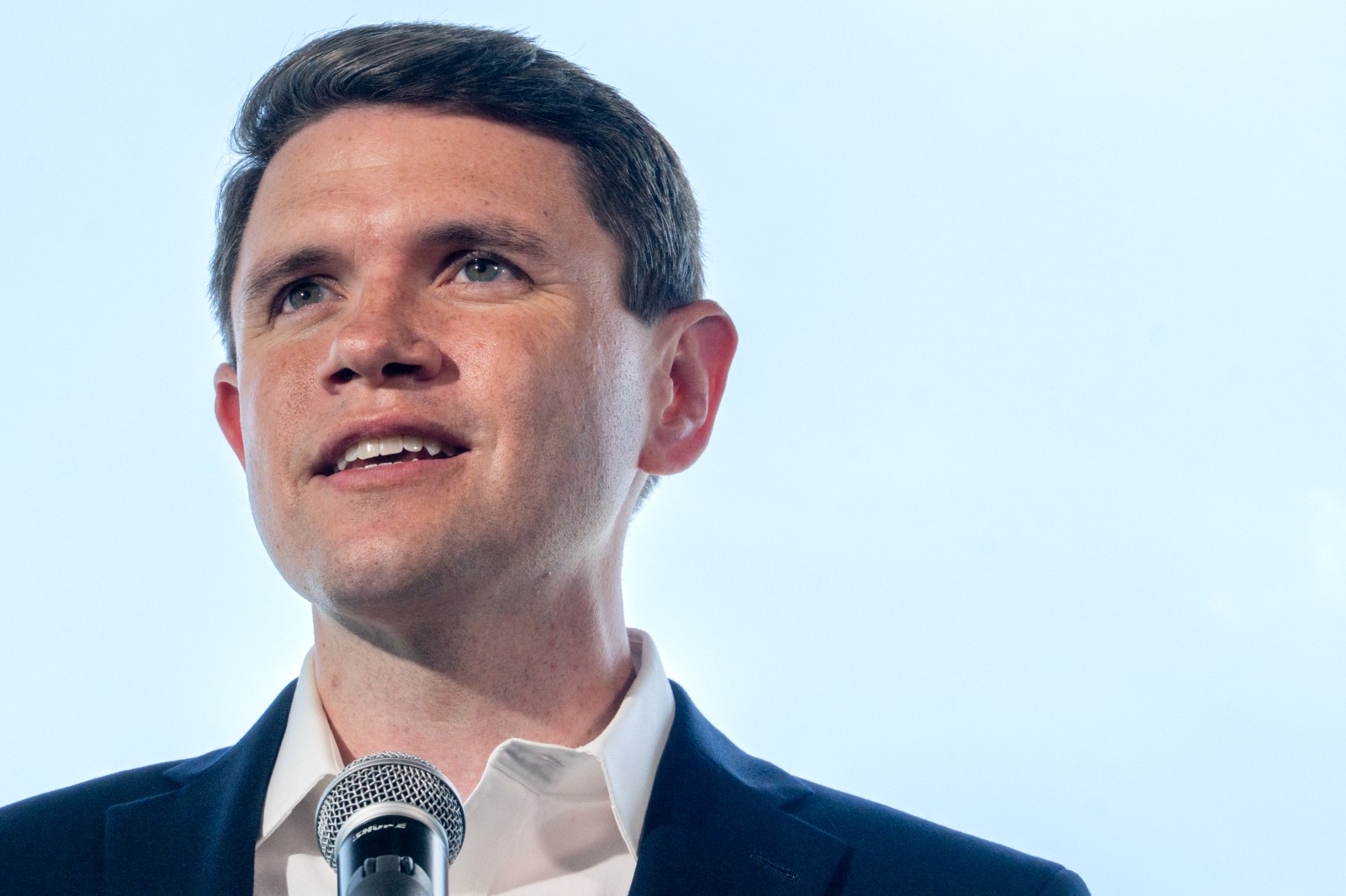
Democratic candidate James Talarico used a CNN town hall to critique the rapidly growing data center industry in Texas. He argues that these companies should cover associated costs, not local communities. His emphasis on this issue is pivotal in his campaign to become the first Democrat elected to the Senate from Texas since 1988. Polls indicate a competitive race in this traditionally Republican state.
Talarico links his opponent, Texas Attorney General Ken Paxton, to the data center boom in Texas. He suggests that Texans may incur higher electricity and water expenses while developers benefit. Texas and Virginia lead the nation in data center development, with nearly 700 facilities in Texas, as per the data center tracker Cleanview.
“I was actually up in Abilene meeting with residents, Democrats and Republicans alike, because they are building three giant data centers,” Talarico said during the town hall.
Talarico unveiled a plan to tackle these issues, suggesting that companies should manage their own energy needs to prevent utility bill increases for residents. Additionally, he calls for mandatory water recycling by these companies to alleviate Texas’s water crisis and advocates for community consent before construction begins.
Ken Paxton: Supporting Data Centers with Safeguards
Paxton supports data center development in Texas but recognizes the need for protective measures such as safeguarding resident water supplies and electricity costs.
Data centers have become a key issue in November’s midterm elections, including the Senate race that may impact chamber control. Community concerns about electricity, water consumption, and environmental implications have been prominent.
James Talarico’s Policy on Data Centers
In July, Talarico proposed stricter regulations for Texas data centers, advocating for federal standards, removing sales tax exemptions, and making large energy users responsible for their infrastructure costs.
“We need to ensure AI works for working people by ending sweetheart tax deals to data centers, empowering local residents to weigh in on construction, holding them accountable for polluting our water, and making AI companies pay for their infrastructure,” Talarico stated.
Talarico recently launched an ad attacking Paxton over his ties to the industry, citing tax breaks and related campaign contributions.
Ken Paxton’s Perspective and Plan
Paxton is an advocate for data center development, citing potential economic benefits and strategic advantages against China. He insists on responsible resource management and recycling practices.
The Paxton campaign outlined a four-point plan addressing concerns, including prohibiting Chinese technology in Texas facilities, holding companies accountable for AI misuse, and developing centers away from residential areas. The plan aligns with Texas Governor Greg Abbott’s proposals.
“This plan will ensure the United States leads in the AI race while putting Texas first, protecting our culture and land, and safeguarding our communities,” Paxton said.
Data Centers’ Impact on the Texas Senate Race
Political science experts say Talarico could attract Republican-leaning voters concerned with resource management. Talarico aims to sway just enough to reconsider support for Paxton.
“Talarico’s arguments about data centers resonate with various demographics concerned about resource consumption and corporate influence,” commented University of Houston’s Professor Brandon Rottinghaus.
Despite differing expressions of concern, experts note that Talarico and Paxton’s positions on data centers are not far apart. Policy is expected to converge on encouraging data center development with regulations in place.
Recent Polls on the Senate Race
Surveys show a close race, with Talarico holding a slight lead in recent polls. The RealClearPolitics average indicates a 2.6-point lead for Talarico, while a recent Marist poll shows a 47% to 45% advantage among likely voters. Smaller polls also highlight Talarico’s lead, though margins are close.
Inquiries have been made to both campaigns for further comment.