
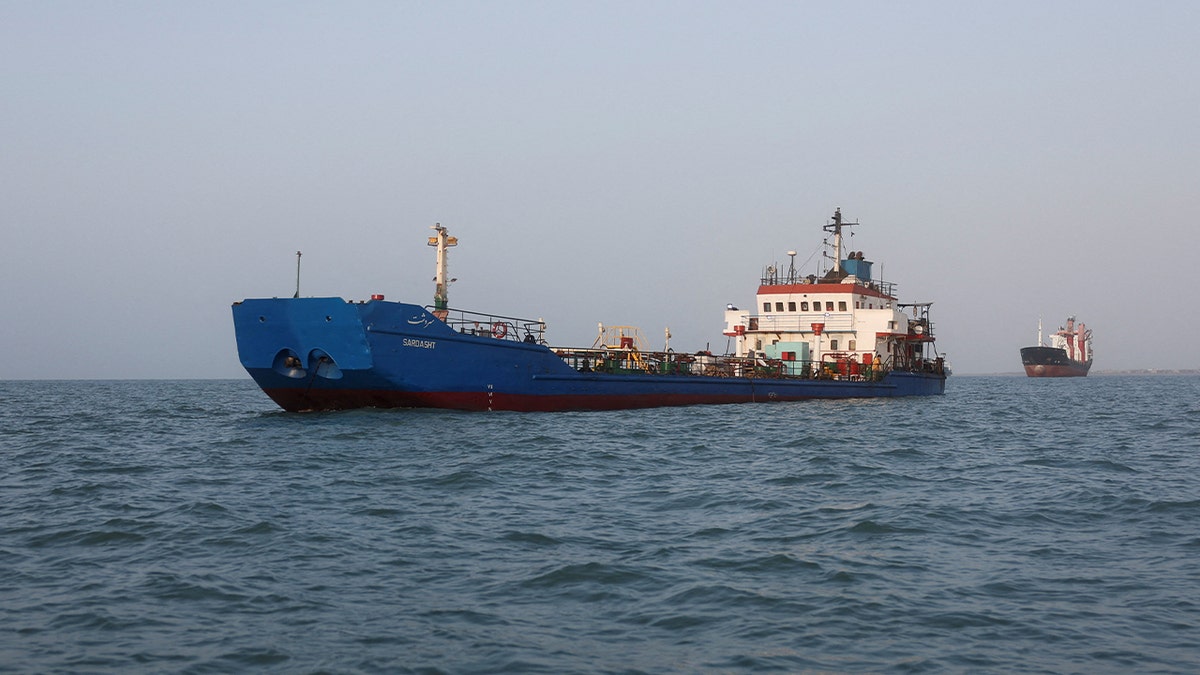
Iranian officials express a sense of confidence, signaling potential escalation against the United States. While Iran might act aggressively, such actions could stem from desperation. On September 5, U.S. Central Command targeted three Iranian tankers. Admiral Brad Cooper warned the IRGC that further aggression would lead to economic consequences, as evidenced by the destruction of five additional tankers following missile attacks on a U.S. Navy warship.
President Trump has focused on economically weakening Iran, but military operations play a critical role. The combination of sanctions, a blockade, and strategic strikes debilitates Iran’s ability to pose a significant threat. Although this isn’t a permanent resolution, the U.S. appears to be succeeding, which the public narrative should acknowledge.
The U.S. strikes respond to failed IRGC attempts to harm U.S. ships. Officials revealed that half of the missiles Iran launched toward Jordan failed to enter Jordanian territory. This ineffectiveness is attributed to U.S. and Israeli actions, notwithstanding assistance Iran receives from Russia and China, which seems to lack substantial impact.
Concerns persist regarding Russian and Chinese support for Iran, influencing the conflict’s potential duration and expansion. Diplomatically, Trump’s stance is clear; Tehran’s leadership has shown no readiness to negotiate. Trump’s social media statements suggest a preference for current U.S. control over the Strait of Hormuz and Iran’s economic collapse over signing ineffective agreements.
The short-term Memorandum of Understanding allowed Iran temporary economic relief but failed to halt its aggressive actions in the Strait of Hormuz. Trump’s critics who called for withdrawal from the Middle East underestimate the regime’s determination to acquire nuclear capabilities. U.S. sanctions and military engagements have been instrumental in impeding Iran’s nuclear ambitions.
Military operations continue to showcase U.S. competence and have significantly reduced Iran’s military capacity. The Trump administration actively seeks to cut off Iran’s resources through naval blockades and sanctions. Trump indicated readiness for further military action if necessary, with substantial U.S. military presence maintained in the region.
Recent reports confirm that U.S. Central Command supervises the safe navigation of commercial vessels through the strait amid targeted strikes, significantly weakening Iran’s regime. The Trump administration aims to maintain military and diplomatic pressure on Iran while ensuring security in the region and collaborating with allies.
Maintaining control in key theaters and keeping the Strait of Hormuz open are crucial. Effective diplomacy with allies, particularly Israel and European partners, is vital in countering Iranian aggression and discouraging investments from Iran’s backers in China and Russia.