
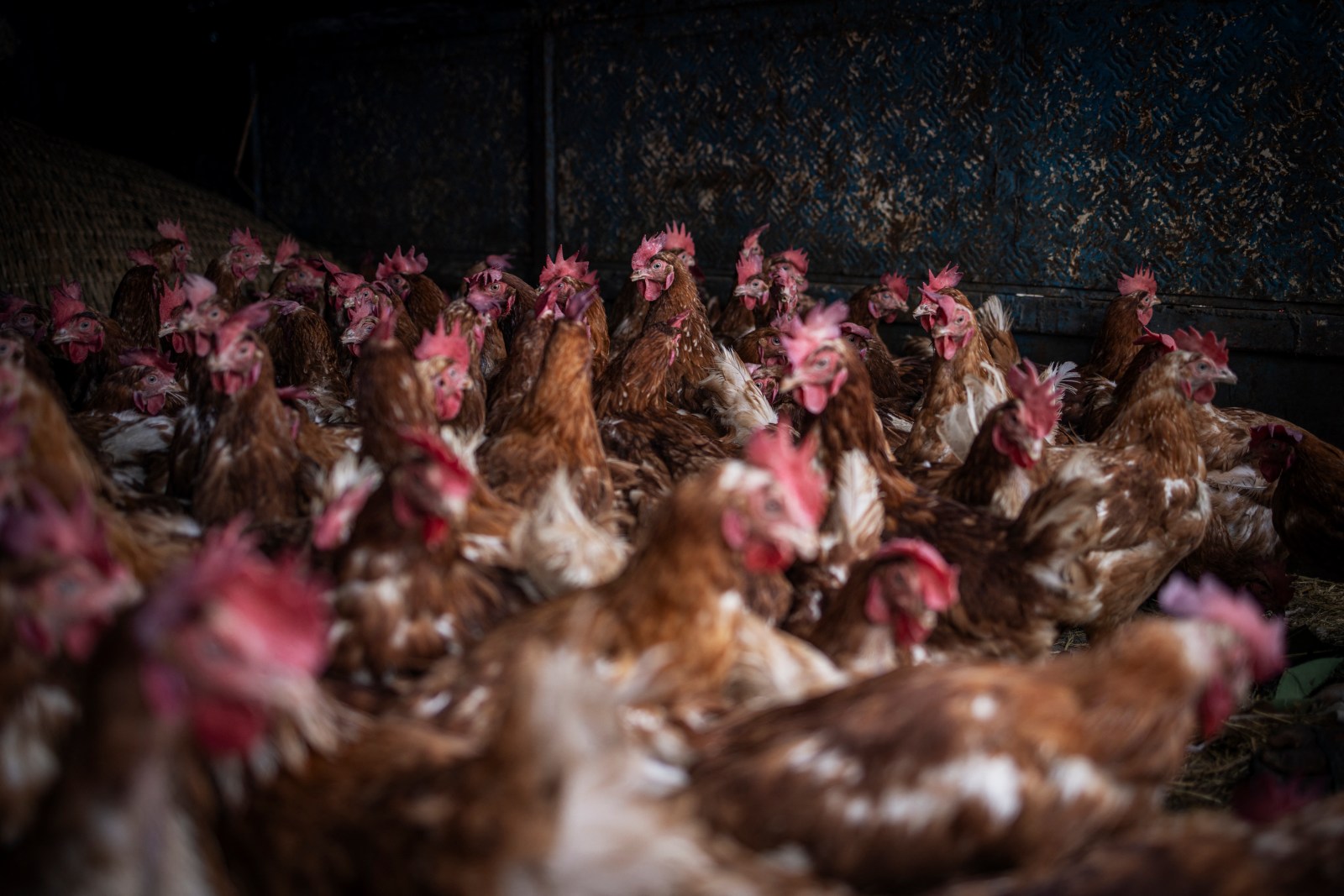
Addressing the age-old question of ‘What comes first: the chicken or the egg?’ for Kalkidan Nigussie, the answer is both. Nigussie is involved in efforts to boost poultry farming among small-scale farmers across Africa. Since its inception in Malawi in 2018, the Egg Hub initiative has trained approximately 190 farmers. This has resulted in a production of over 15 million eggs in Malawi and Ethiopia, with future plans to extend operations to Rwanda and Senegal.
“It’s very rewarding. Seeing that progression firsthand makes the work very meaningful,” says Nigussie. She leads the initiative for Swiss-based think-tank Sight and Life, highlighting the profound impact on farmers’ lives.
The program offers crucial resources. Farmers receive training, access to quality feed, a minimum of 500 birds, and interest-free loans. Women, who constitute half of the participating farmers, also benefit. Many have basic experience in hen raising.
Eggs are celebrated for being nutrient-dense and affordable protein sources, essential for closing nutrition gaps in Africa. United Nations figures reveal that over half the population faces moderate or severe food insecurity.
The U.N. estimates that by 2025, around 67% of Africa’s population may struggle to afford healthy diets. Factors like Middle East conflicts, global aid reductions, and extreme weather, such as El Niño events predicted for 2026 and 2027, are anticipated to exacerbate hunger and food insecurity. The European Commission report states that by 2030, up to 520 million individuals globally may face hunger, with over half situated in Africa.
Transitioning from Immediate Fixes to Long-term Solutions
Development projects focused on building resilience against climate shocks and volatile food prices are pivotal for sustainable futures. Sight and Life’s managing director Sufia Askari stresses the importance of lasting change, “You can provide food, and that’s a quick solution, but that’s not sustainable. Turning an existing solution into lasting change cannot happen overnight.”
The Egg Hub program is expanding from 12 to 63 farms in Malawi this year. Initiatives are underway to recruit poultry farmers in Senegal and Rwanda. Farmers have improved their skills and infrastructure, allowing birds to lay up to 300 eggs annually. Previously, annual production stood at just 40 eggs.
This progress has significantly improved livelihoods and food security in the partner villages. Egg consumption by women and children in Malawi has increased, egg prices have decreased, and farmers have seen a tripling of earnings.
Nigussie shares success stories, such as a farmer transitioning from viewing poultry farming as mere survival to a thriving business. “Before, her birds died, her income was uncertain, and she lacked structured knowledge or reliable support,” he notes.
Key achievements witnessed include loan repayments, enhanced household support, and reinvestments into new flocks or buying small vehicles for egg transportation.
For feedback on this story, readers are encouraged to contact Mike Hirst at Newsweek.