
As Oregon faces what state officials label its most severe wildfire season, emergency managers have issued a clear directive to drone operators: do not fly near wildfires. This warning comes amidst rising concerns that unauthorized drones are disrupting firefighting operations and causing mission delays at crucial moments.
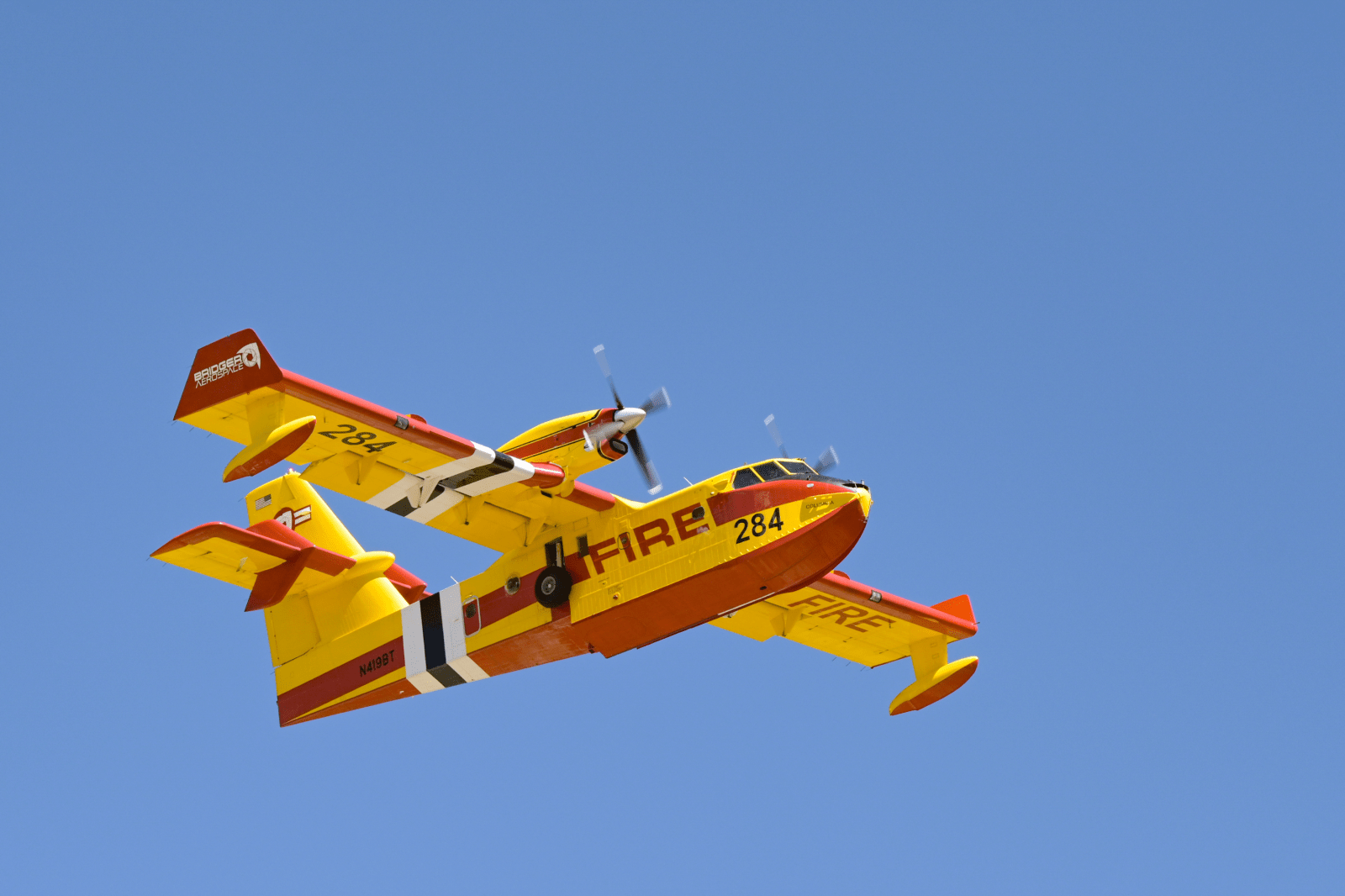
The Oregon Department of Aviation and the Oregon Department of Emergency Management have reminded residents that active wildfire areas are strict “No Drone Zones.” Officials caution that even a small recreational drone can pose a significant safety risk to firefighting aircraft. These aircraft operate at low altitudes through smoke to deliver vital water and fire retardant in efforts to control the fire.
According to KOIN 6 News, Kenji Sugahara, Director of the Oregon Department of Aviation, mentioned that drone sightings near the ongoing Grasshopper Fire have hindered firefighting efforts. “We’ve been hearing issues with drones flying around the Grasshopper Fire, which has been delaying operations,” Sugahara reported. “When there’s fire spreading, those 15 minutes, 30 minutes of delay can allow the fire to extend further.”
Authorities warn that unauthorized drones entering fire airspace may force firefighting aircraft to pause operations until safety is ensured. Such disruptions can allow fires to spread and heighten risks for firefighters, nearby communities, and infrastructures.
The consequences for those violating these regulations are severe. Oregon officials state that individuals flying drones near active wildfires could face civil penalties reaching $75,000, federal prison for up to 12 months, loss of equipment, and revocation of pilot certificates.
National Concerns
While Oregon’s warning is timely given the state’s active fire season, drone interference is a national concern. The Federal Aviation Administration may establish Temporary Flight Restrictions (TFRs) around wildfires and other emergencies. These TFRs ban unauthorized aircraft, including drones, from operating in designated airspace without approval. The FAA issues TFRs for safety or security, such as during wildfires and hurricanes.
The U.S. Forest Service has long cautioned drone pilots about the dangers of unauthorized flights over active fires. Their “If You Fly, We Can’t” campaign highlights instances where aerial firefighting operations have halted due to drones in restricted airspace.
The Forest Service notes at least 20 drone-related incidents across eight other states, including Arizona, California, Colorado, Nevada, New Mexico, Utah, Washington, and Minnesota. These incidents have led to the temporary suspension of aerial firefighting efforts nine times.
Recently, Utah faced similar challenges. Officials warned residents to avoid wildfire zones after drones interrupted aerial operations during the Eight Mile Fire near Cedar City. Firefighting aircraft engaged the blaze both from the air and ground when a drone appeared. Authorities indicated that flight operations might have been canceled if the drone had remained in the area, pending resolution of the threat.
Reasons for Concern
Firefighting aircraft routinely operate at altitudes similar to those of recreational drones, heightening risks of collisions, pilot distractions, or forced grounding until airspace is secure. Halting operations can have severe implications when crews are working to contain fast-spreading fires.
Despite these challenges, drones are increasingly used by fire agencies. Authorized drones assist in locating hotspots, monitoring fire behavior, and providing ground firefighters with critical information. Such operations are meticulously coordinated with other aircraft, unlike recreational drone flights.
With large wildfires still burning in parts of the western United States, authorities in Oregon and beyond are advocating for a straightforward rule for drone owners: if there is a nearby wildfire, keep the drone grounded and allow emergency crews the airspace necessary to complete their tasks effectively.