
“You made me promises knowing I’d believe. Promises, I knew you’d never keep.” These lyrics from “Promises, Promises” by Naked Eyes could reflect the dynamics in U.S. politics, especially surrounding the Democratic Party’s current goals.
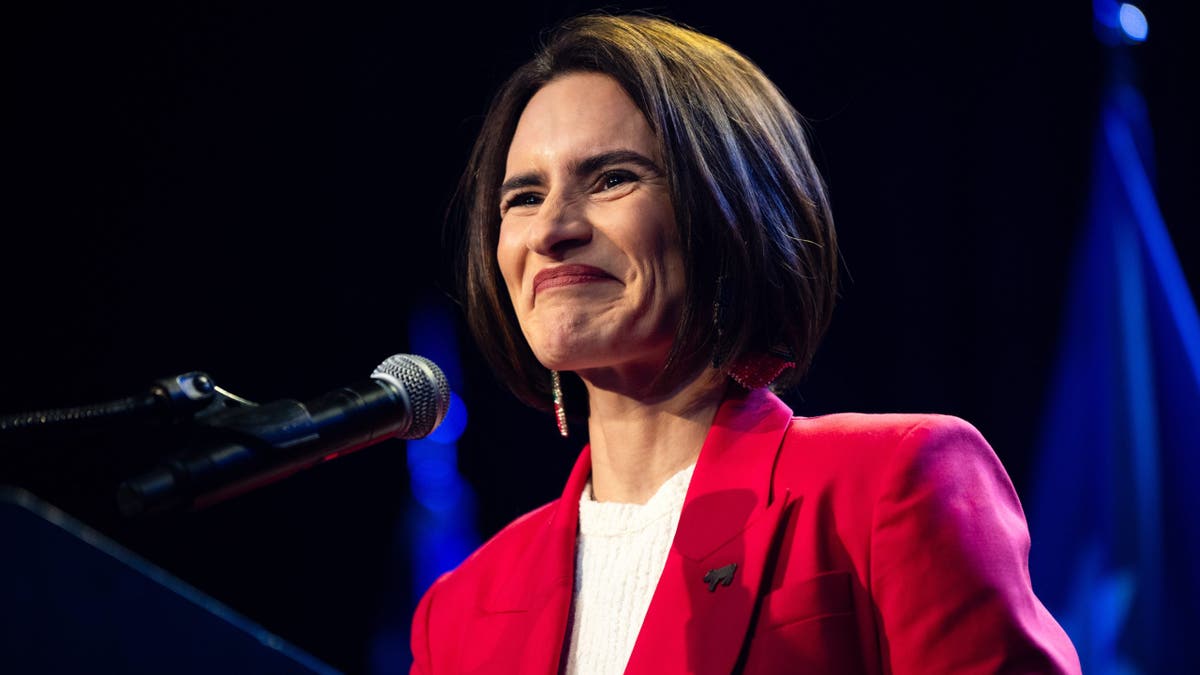
Lt. Gov. Peggy Flanagan, D-Minn., a Democratic Senate nominee, supports “Medicare-for-all.” She plans to collaborate with Sen. Bernie Sanders, I-Vt., aiming to reshape Senate power for measures they believe are essential, such as the Green New Deal, minimum wage increases, and other progressive agendas.
Flanagan, facing Republican Michelle Tafoya, leads a race slightly favoring her. Meanwhile, Democratic Socialist candidates, like Donavan McKinney and Chris Rabb, are expected to win in Democratic strongholds where progressive ideas appeal to the electorate.
Meet the insurgents challenging the Democratic establishment during the 2026 midterms.
The likelihood of Democrats winning the House or Senate depends not on these strongholds but on candidates like Cait Conley in N.Y. or Brian Poindexter in Ohio. These ‘majority makers’ will influence the legislative direction if Democrats gain control.
If Democrats secure majorities, passing progressive bills will remain challenging. They need 60 Senate votes to overcome filibusters. Even a Democratic-controlled Congress could face opposition from President Trump, should he veto extreme measures.
It is said political campaigns use poetry, while governance relies on prose. Democrats express progressive desires, yet transforming them into laws may be elusive due to past precedents where majorities failed to fulfill ambitious promises.
Republicans in 1994, with their “Contract With America,” secured the House with promises of reduced spending. However, President Clinton vetoed significant items. In 2006, Democrats promised to end the Iraq war swiftly but faced delays, disappointing activists. Similarly, Republicans in 2010 vowed to repeal ObamaCare but found the task unachievable.
The focus during campaigns is energizing the base. Yet implementing these promises poses a different challenge. Minority Leader Hakeem Jeffries, D-N.Y., is in conversation with Democratic Socialist candidates for legislative support, crucial if he runs for Speaker. Observers may expect progressives to back Jeffries to promote him as the first Black House Speaker.
Potential internal conflicts might arise if Democrats win the House and debate polarizing bills such as “Medicare-for-all.” Moderates like Rep. Marie Gluesenkamp Perez, D-Wash., might oppose procedural rules if they harm chances in battleground districts.
Leader Jeffries might not support “Medicare-for-all” himself, indicating the complexity of addressing moderate ‘majority makers’ concerns along with progressive pursuits.
One area Democrats could unify around involves investigating the Trump administration, potentially satisfying demands from various party factions. Though investigations align with their base’s desires, they fall short of enacting major progressive legislation.
Democrats acknowledge political realities might limit achieving goals like the Green New Deal. However, successful investigations could still yield political wins, underscoring their position against the current administration.
Chad Pergram, the Chief Congressional Correspondent for Fox News Channel, continues to cover the unfolding political landscape from Washington, D.C.