
Expert Warns of Increasing Anarchic Efforts in Europe
Dr. Qanta Ahmed, affiliated with the Independent Women’s Forum, raises concerns about escalating violence in Europe. The pro-Palestinian and communist groups clashing with authorities have intensified tensions, particularly in France. Over 800 rioters have been arrested for various offenses, including looting and arson. Ahmed analyzes cultural and political nuances fueling these destructive protests across European cities.
Europe’s Migration Debate
Images of turmoil from France and Italy are influencing political discussions on migration in Hungary and Poland. Leaders of these countries emphasize immigration policy reform instead of directly addressing the unrest. Despite facing EU sanctions for tight immigration controls, former Hungary leader Viktor Orbán and Poland have maintained their stance against unrestricted migration.
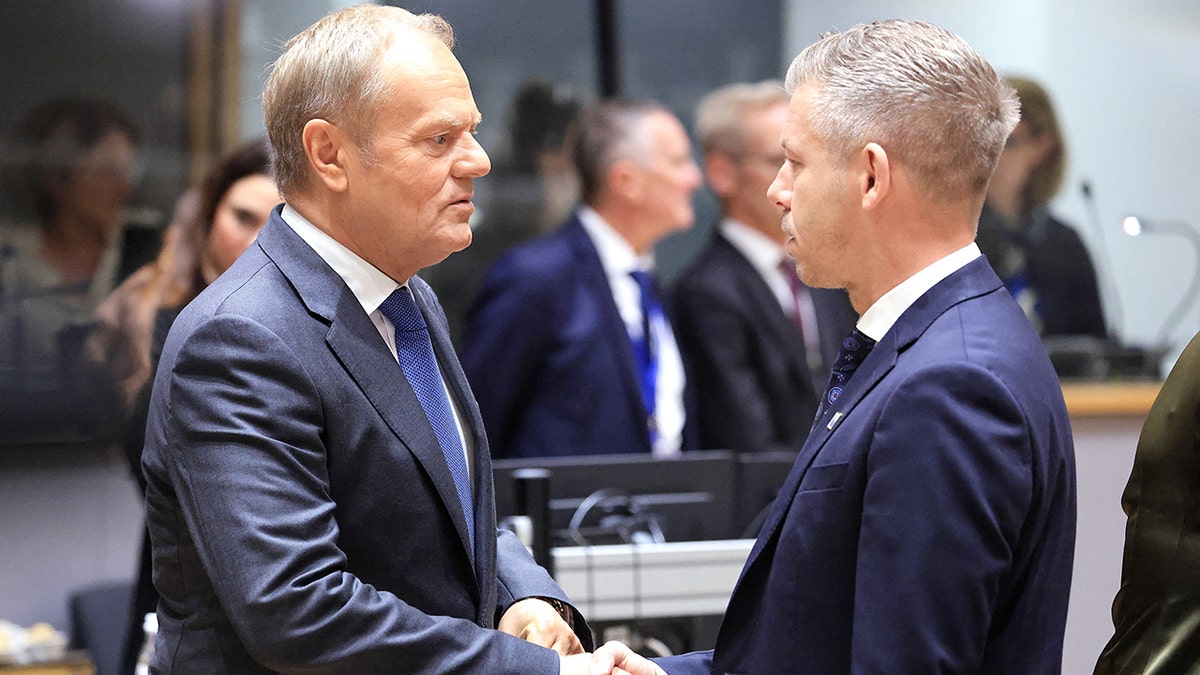
“Europe can count on Hungary,” Péter Magyar, Hungary’s Prime Minister, declared. “In the face of this senseless destruction and unjustified violence, maybe now everyone understands why Hungary advocates strict migration measures.”
Donald Tusk, Poland’s Prime Minister, echoed similar sentiments: “Poland will not repeat the mistakes of other European nations.”
Immigration and Crime Statistics
Eurostat data from 2025 reveals France has nearly 10 million foreign-born residents, while Italy has about 7 million. Poland’s foreign-born population numbers roughly 1 million, and Hungary’s is less than 700,000. In 2024, crime statistics showed France with 304,900 police-recorded offenses—one of the highest totals in the EU.
Cultural scholar Boštjan Udovič suggests that Central and Eastern countries link the unrest to challenges in immigrant integration and adaptation. Political figures, like Magyar and Tusk, correlate the French disorder with validating their firm migration policies.
Local Political Messages
Political scientist Daniel Schatz discusses how burning buildings in France and other regions serve as political ammunition. Leaders with stringent immigration policies leverage these events to emphasize preventive measures to their domestic voters.
Magyar stated the recent European Council summit signals a pivotal shift: “A majority of European countries are waking up and rejecting permissive policies of the past.” Hungary’s leader expressed unity with the French people during these turbulent times.
Cultural and National Perspectives
Udovič notes the inherent cultural identity connected to EU membership in Central and Eastern nations, suggesting minimal inclination towards embracing multicultural societies.
Schatz reiterates that the debate is predominantly localized, focusing on Hungary and Poland’s domestic concerns. Tusk’s stance aligns with upcoming elections, indicating migration as a pivotal policy issue.
Former Hungarian official Á. Félix Debrenti emphasizes Magyar’s reliance on Orbán’s tough immigration policy approach to sustain political support amidst internal pressures.
Magyar stresses the distinction between peaceful protests and criminal activity. His focus shifts public attention to immigration policies, garnering national agreement.
The 1956 Hungarian Revolution, commemorized on October 23, symbolizes a historical connection to resisting external oppression, mirroring the contemporary push against liberal immigration policies.