
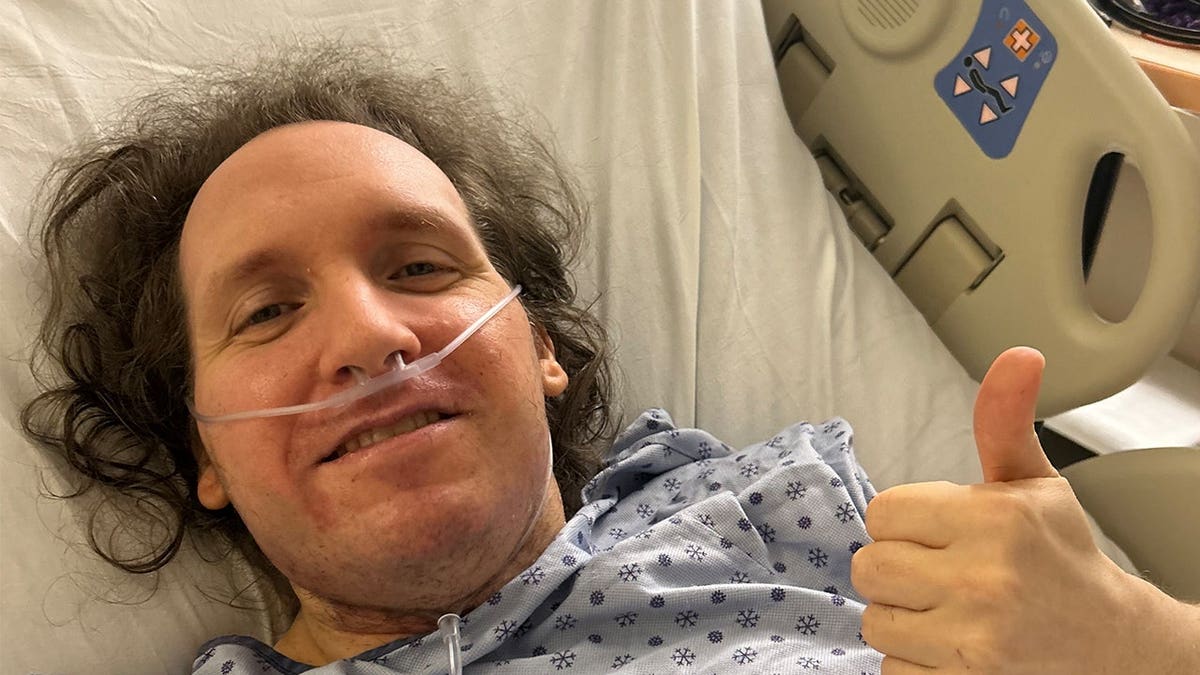
Roger Foley, diagnosed with spinocerebellar ataxia, continues to face challenges in obtaining self-directed home care. Despite his stable medical condition, conversations around medically assisted death have occurred during his prolonged stay at London Health Sciences Centre in Ontario.
In 2016, Foley began seeking a self-directed home-care solution. Dr. George K. Dresser, Foley’s attending physician, noted Foley’s stability despite hospital-acquired infections and emphasized the inefficiency of current home-care options in meeting Foley’s complex needs. The doctor urged Ontario’s Ministry of Health to consider individualized home-care funding.
Foley reported being pressured to consider assisted dying during a disputed discharge process in 2017, where he faced potential hospital charges without agreeing to the offered care arrangements. He has expressed his desire to live independently in his own apartment, where he has continued to pay bills and maintain accessibility features.
Lighting accommodations crucial to Foley’s care were reportedly withdrawn in 2025, affecting his ability to receive necessary assistance due to sensitivity to specific light wavelengths.
Foley strives to secure outside help. He raised concerns about hospital staff’s reliance on fluorescent lighting, complicating his care routine. He reported fresh inquiries about suicidal thoughts after lighting accommodations were revoked, expressing mistrust due to past discussions involving medically assisted death.
Determined to return home, Foley is involved in fundraising efforts through the “Bring Roger Home” project, releasing music to support his home-care plan. His opposition to Canada’s Medical Assistance in Dying system stems from the belief that patients should have adequate access to care and support before considering assisted death.
The MAID program, legalized in 2016, accounts for about 5% of Canadian deaths. Foley advocates for comprehensive support and treatment options as life-affirming alternatives to assisted death.