
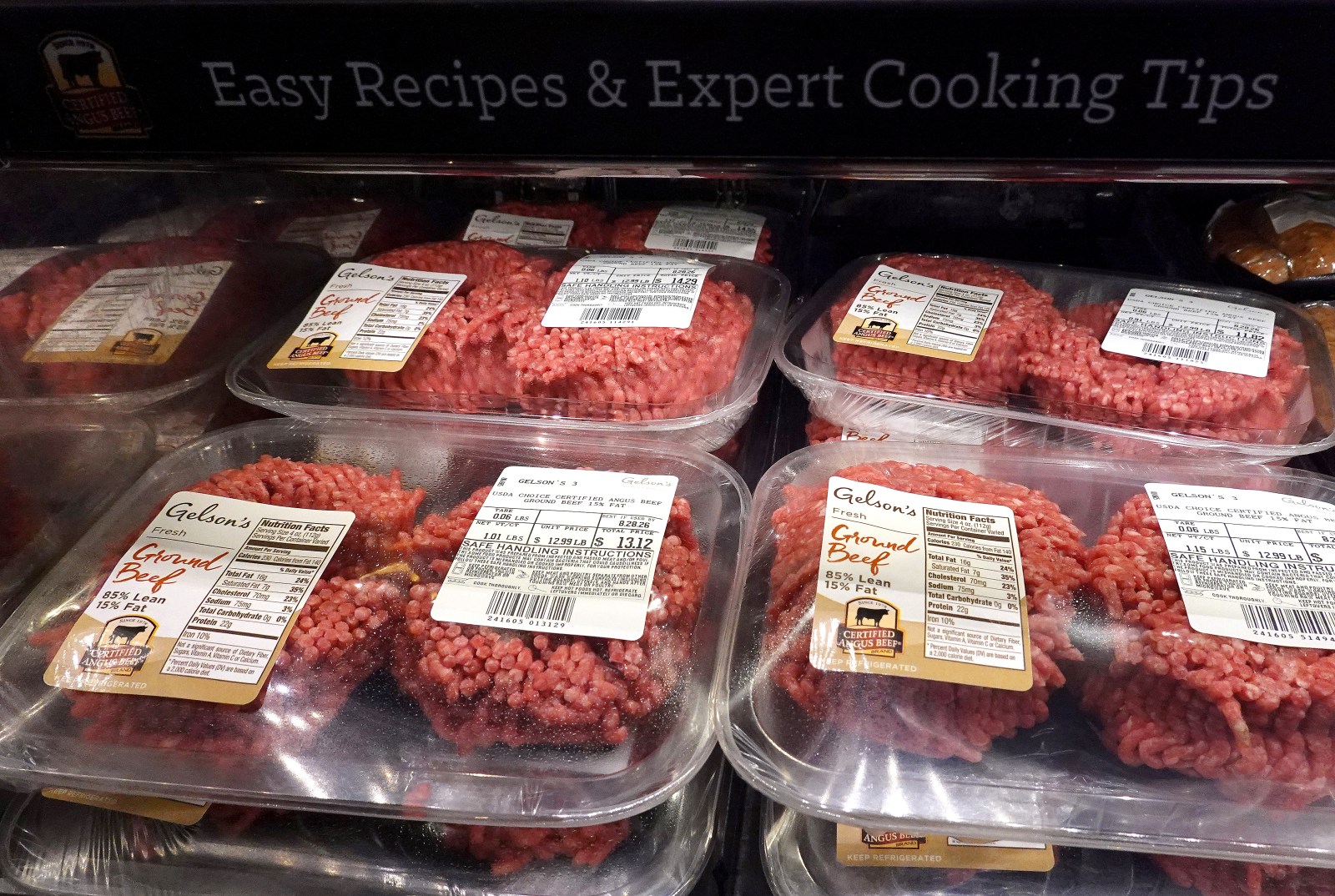
Donald Trump’s recent announcement to reduce beef prices by allowing an influx of foreign ground beef has prompted concerns among industry experts. Ben Spell, founder of Good Ranchers, a U.S.-based meat distribution firm, spoke to Newsweek about the issue. Spell sees the plan as a temporary solution to address high beef prices brought on by years of drought, rising feed costs, and herd liquidation.
The plan involves permitting 300,000 metric tons of ground beef imports at a lower tariff rate for 90 days. Trump asserts this move will enable beef to be sold at 25% below market prices. The decision aims to tackle cost-of-living concerns as the midterm elections approach. However, Spell argues that the strategy fails to address the larger, more complex issues facing the beef industry.
“It’s a shot in the arm for American families, and I know people need relief, but there’s a bigger underlying problem that has to be addressed,” said Spell.
Opposition to the plan has come from farm and ranch groups as well as GOP lawmakers often allied with Trump on agricultural policy. They argue such a problem built over a decade cannot be solved within three months. The White House promised an executive order soon, but specifics about where the beef will originate and how savings will benefit consumers are unclear.
Questions Over Origin of Imported Beef
Spell emphasizes the need for greater transparency about the origins of meat sold in the U.S. With no mandatory Country of Origin Labeling (COOL) since 2015, consumers lack detailed information on their beef purchases. Spell suggests that proper labeling would allow Americans to choose domestic over cheaper foreign products if they wish.
“With no accountability and sourcing, there can’t be transparency and quality,” Spell stated.
Trump’s announcement follows record imports from countries like Mexico, Canada, and Argentina. The proposal has drawn criticism from American cattle ranchers and raised concerns about the potential impact on domestic producers. Professor David Anderson from Texas A&M University notes that while imports may lower wholesale prices, consumer savings at grocery stores remain uncertain.
Rebuilding the U.S. Herd: A Long-Term Strategy
Critics, like Bill Bullard of R-Calf USA, argue that Trump’s plan could harm domestic producers and deter needed herd expansion. Bullard states that relying on imports does not rebuild domestic production. Economic growth strategist Dan Varroney highlights the challenge of expanding the U.S. cattle herd, the smallest in decades. He points out that investing in breeding requires confidence in future cattle prices.
“That concern is real because cattle producers must make decisions today that will determine supplies several years from now,” said Varroney.
The strategy likely pressures domestic cattle markets and could weaken confidence among producers needed to invest in herd expansion. Spell stresses the need to support the next generation of ranchers in raising more cattle.
Contact Newsweek editors on this story: Matthew Robinson and Sam Wilson.