
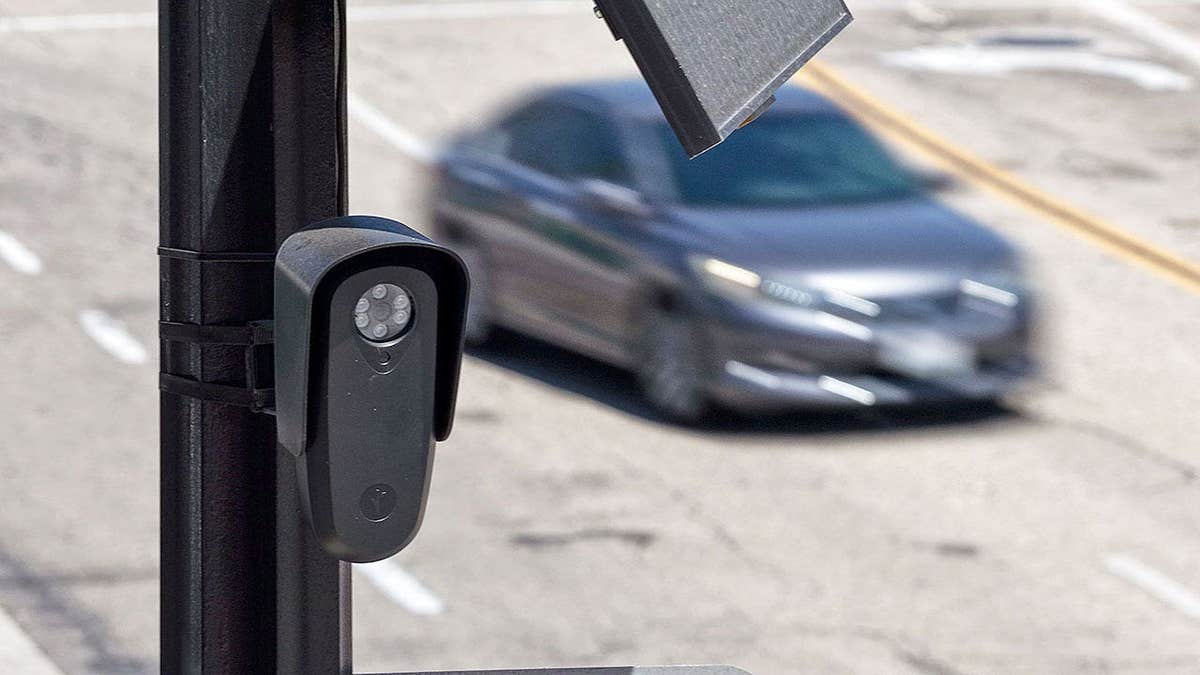
Senator Josh Hawley is raising questions about Flock Safety’s expanding network of AI-enhanced cameras. His focus is on whether this network has created a nationwide database tracking Americans’ movements. As privacy concerns grow, various communities are disconnecting from this technology.
“Flock has established an unparalleled national surveillance system,” said Hawley, a Republican from Missouri, to Fox News Digital. The company claims to have over 120,000 cameras in 49 states, gathering more than 20 billion vehicle scans monthly. “I am examining these cameras to understand who has access to the data of millions of Americans and how they are using it,” Hawley added. “The public deserves transparency.”
AI-Powered Surveillance and Privacy Concerns
Flock Safety’s cameras utilize AI to identify vehicles by their license plates, make, model, and color. This aids law enforcement in crime investigations but has ignited criticism from privacy advocates concerned about mass surveillance.
“The main issue is not just using cameras but allowing police to review someone’s past movements without judicial approval,” commented Robert Frommer, director at the Institute for Justice’s Project on the Fourth Amendment.
Frommer suggests requiring a warrant before such searches. “In emergencies, police can act immediately but should justify this later if they couldn’t get a warrant,” he stated.
Constitutional Concerns
Senator Hawley, who chairs the Senate Judiciary Subcommittee on Crime and Counterterrorism, initiated an investigation into Flock’s practices. His aim is to ensure that American privacy is respected and that surveillance tools are not exceeding their traditional use parameters.
Hawley stressed that such tools should serve specific local investigations, not broaden into national databases. Flock Safety’s spokesperson, Paris Lewbel, mentioned their openness to collaborate with Hawley’s inquiries and highlighted the safeguards integrated into their platform.
Community Pushback
Numerous communities are reconsidering their agreements with Flock due to concerns over data sharing and privacy. Pflugerville, Texas, has already cut its ties, turning off all Flock cameras. City officials, citing loss of trust, declined a new contract despite updated privacy terms.
In Hood County, Texas, local authorities have disconnected Flock cameras following community directives. Constable John Shirley emphasized, “We support technologies aiding police work but reject warrantless, constant tracking.”
Technological Safeguards Needed
While acknowledging the usefulness of license plate reader technology in solving crimes, lawmakers and activists demand constitutional safeguards. Frommer emphasized that these must be applied consistently across providers, whether it’s Flock, Axon, or others.
Investigations continue as the debate over balancing crime-fighting technology and privacy rights evolves.