
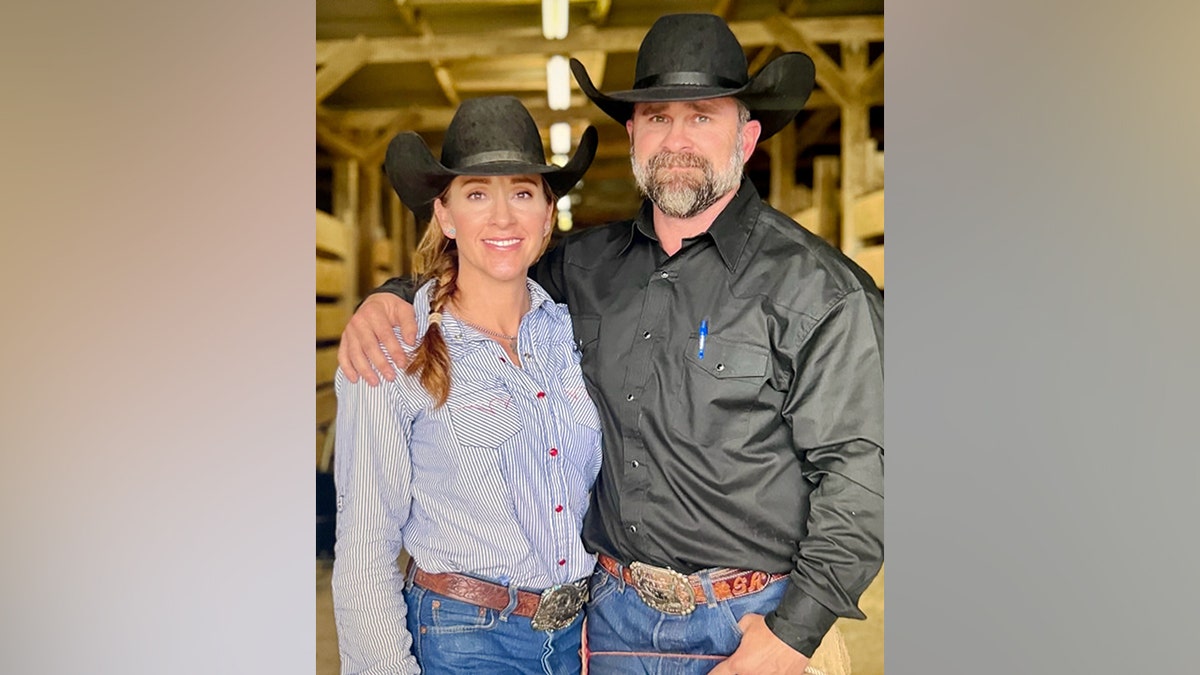
Thirty-four years after the brutal 1991 Austin, Texas, yogurt shop massacre that claimed four young lives, Shawn Ayers and his wife, Angie, have taken steps to launch a national cold case initiative. This effort aims to address lingering questions about the attack, particularly regarding the possibility of an accomplice. Shawn’s sister, Amy, was one of the victims.
Establishing the National Cold Case Center
Shawn and Angie Ayers, motivated by decades of unresolved questions in Amy’s case, have teamed up with former prosecutors Mindy Montford and Anne Marie Schubert to create the National Cold Case Center. This nonprofit organization is dedicated to funding unsolved homicide investigations, providing training for investigators, and supporting the families of victims.
The yogurt shop murders have left an enduring impact, prompting the Ayers and the former prosecutors to take action. Amy Ayers, along with Jennifer Harbison, Eliza Thomas, and Jennifer’s sister Sarah Harbison, perished during their shift at the I Can’t Believe It’s Yogurt! shop in Austin on December 6, 1991.
The Tragic Events of 1991
On the night of the attack, Jennifer and Eliza were closing the shop while Sarah and Amy waited to join them for a sleepover. Just before midnight, a fire broke out, complicating the crime scene and destroying evidence. Authorities found the bodies of Sarah, Eliza, and Jennifer together in a storage room with .22-caliber gunshot wounds. Amy was discovered separately, with a ligature around her neck and extensive burns. Court documents state that she suffered two gunshot wounds from different calibers.
Identifying the Killer
The decades-long investigation faced challenges, including false confessions and legal disputes.
In September 2025, DNA and ballistics evidence identified serial killer Robert Eugene Brashers as the perpetrator. Brashers, who committed suicide in 1999 during a standoff with Missouri police, left families without the chance for closure at trial. He had previously been linked to violent crimes across South Carolina and Missouri. Despite this development, Angie Ayers questioned if an accomplice was involved, as two types of firearms were used in the attack.
False Convictions and Legal Battles
Before Brashers’ identification, the investigation had focused on four local teenagers: Robert Springsteen, Michael Scott, Maurice Pierce, and Forrest Welborn. Springsteen and Scott were convicted of murder but later had their convictions overturned due to DNA evidence and claimed coercion during confessions.
Pierce and Welborn also faced legal scrutiny. Welborn, who maintained innocence, was never indicted. Pierce, arrested on murder charges, had his case dismissed and died in 2010 following a violent altercation with police.
Settlement and Ongoing Challenges
Following Brashers’ identification, a judge declared the four men innocent, leading to a $35 million settlement for the three surviving men and Pierce’s family. Welborn expressed resentment towards the initial wrongful accusations and the city’s apology. Detectives involved in the case have not faced legal repercussions.
Efforts to Support Others
The experiences of the Ayers family and others seeking justice have driven their commitment to supporting families in similar circumstances. Their partnership with Montford began with addressing the yogurt shop killings and extended to meeting Schubert, a prosecutor recognized for her role in solving the Golden State Killer case.
The Ayers family’s initiative is now active, providing law enforcement with funding, training, and data collection resources. Their work involves attending conferences across the U.S. to raise awareness and drive progress in cold cases. For them, helping to solve these cases may also prevent future crimes by identifying dangerous individuals yet unapprehended.