
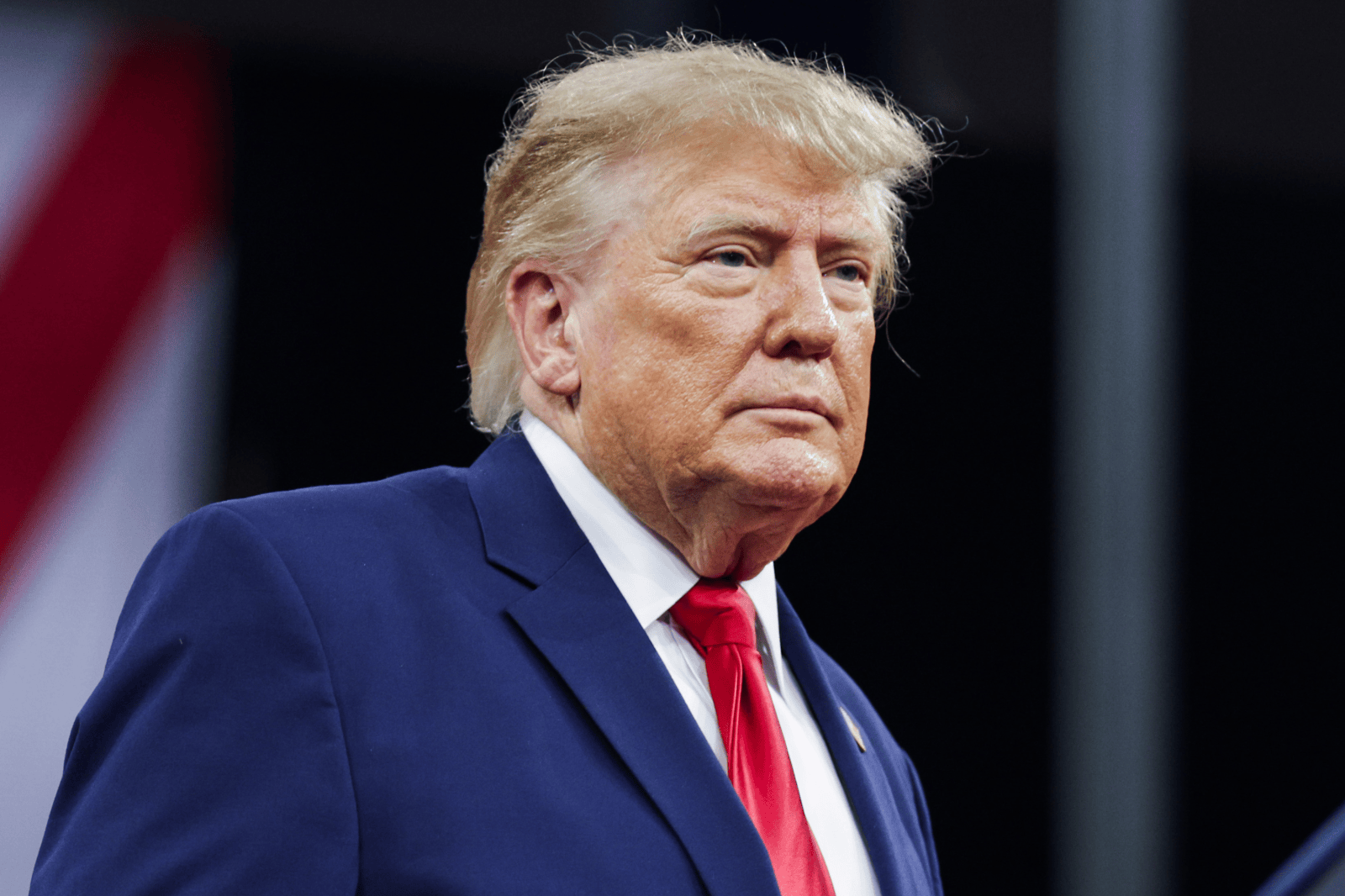
President Donald Trump has historically struggled with urban voters. However, recent Echelon Insights polling shows his net approval rating improved by 20 points between July and October. Democrats rely heavily on strong urban support to win competitive statewide races, so these changes could affect upcoming elections.
Potential Influence on Midterms
This shift could influence key races. In Georgia and Michigan, even small changes in voter support or turnout around cities like Atlanta and Detroit might impact the governor’s race and Senate contest. Various factors, such as crime rates, GOP advertising, and shifts in Trump’s urban support, could contribute to this trend.
Polling Data
Echelon Insights provided monthly data:
- July: 23% approval, 76% disapproval, net negative 53
- August: 28% approval, 71% disapproval, net negative 43
- September: 26% approval, 72% disapproval, net negative 46
- October: 33% approval, 66% disapproval, net negative 33
The improvement represents a 10-point increase in approval and a 10-point decline in disapproval. The October survey included 1,010 likely voters with a national margin of error of 3.6 percentage points. Urban sample specifics were not detailed, adding uncertainty to the results.
Factors Affecting Urban Opinion
Political science professor Costas Panagopoulos notes conditions like crime improvements may contribute. John Thomas, a GOP strategist, cites GOP advertising focusing on economic and security concerns. Brittany Martinez, a Republican strategist, points to minority voter shifts potentially aiding Republicans.
Despite these trends, political scientist Daniel Schatz warns of using urban figures as a substitute for racial or ethnic polling. Pew Research data shows substantial Democratic support among Hispanic and Black voters, complicating interpretations.
White House Perspective
White House spokesman Davis Ingle credits Trump’s coalition with his political strength, citing policies like tax cuts and border enforcement.
Strategic Implications for Atlanta and Detroit
Lowering Democratic margins in cities like Atlanta and Detroit could benefit Republicans in close races without needing to win the cities outright. Modest gains could be significant if sustained across multiple polls.
In Michigan, Republicans are actively engaging Black communities with investments like campaign offices in Democratic areas. Statewide races in Georgia and Michigan illustrate how changes in urban voter behavior might influence results.
Turnout and Political Dynamics
Reduced Democratic turnout could have a significant impact, as non-participation weakens electoral strength. Trump’s urban deficit has decreased according to Echelon Insights. Future surveys will indicate if this represents a lasting change or temporary fluctuation.