
The conflict in the Middle East is intensifying as Shannon Bream from Fox News reports on the situation. Trey Yingst provides updates from Tel Aviv. The U.S. recently executed strikes on Iranian missile and drone storage sites following Iran’s attack on shipping in the Strait of Hormuz. Meanwhile, Iran launched drones towards Kuwait and Bahrain, and Israel carried out strikes against Hezbollah in Lebanon. These developments occur as Israel and Lebanon are engaged in a diplomatic framework agreement.
A shipping company, Hapag-Lloyd, has noted a ‘new normal’ of increased risk and unclear regulations affecting the Strait of Hormuz. This warning comes as military actions escalate. Tehran started moving millions of barrels of crude oil from Kharg Island for the first time in days. According to maritime intelligence firm Windward AI, simultaneous loading at Kharg’s T-Jetty and Western Terminal has resumed. The East Waiting Area holds 28 tankers, with 27 in dark status, indicating a restart of the Iranian crude export cycle. Outbound cargo includes roughly 4.12 million barrels of wet cargo, mostly crude oil, as per analytics firm Vortexa.
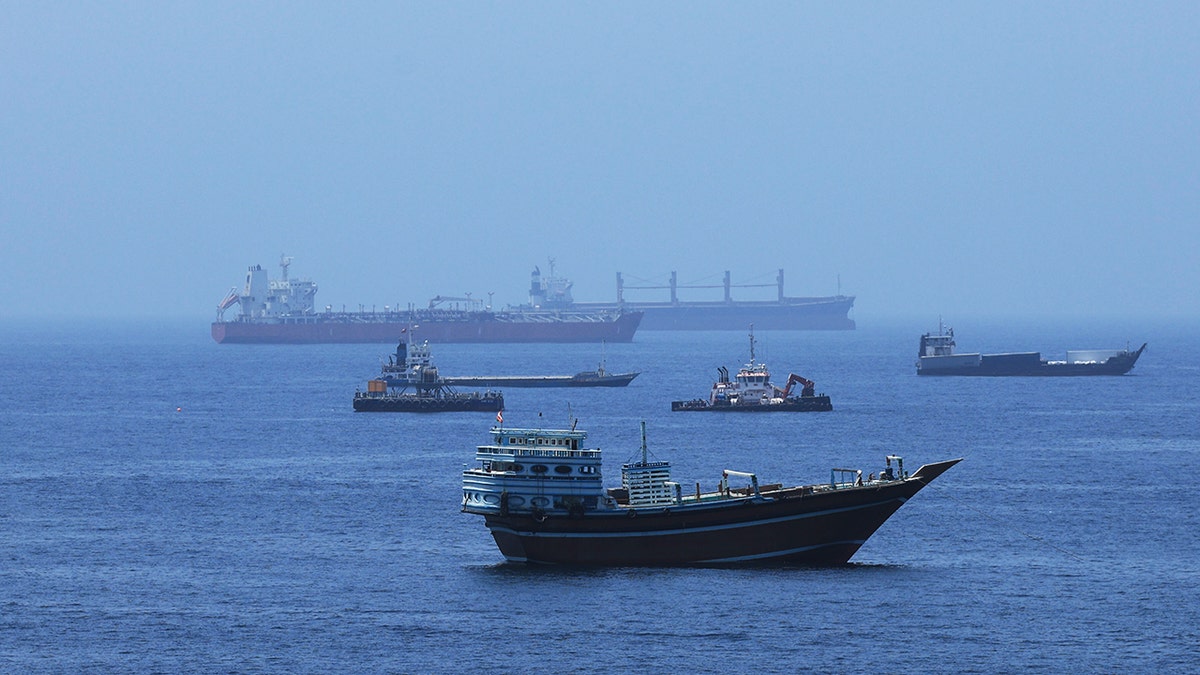
Currently, Gulf shipping operations have halted near Iran, with the U.S. preparing for potential strikes. Commercial and crude oil vessels are anchored in the Gulf of Oman near Muscat, Oman, ready to transit the Strait of Hormuz. According to Hanja Maria Richter, Hapag-Lloyd AG spokesperson, the situation in the Persian Gulf demands constant vigilance and regular risk assessments for every vessel and crew.
The U.S. Central Command (CENTCOM) launched airstrikes on Qeshm Island on June 26 after a vessel attack in the Strait of Hormuz. In response, Iran’s IRGC targeted U.S. military locations in Kuwait and Bahrain. A battle over control of the transit lanes continues. The waterway now operates under a two-tier system, with the northern route controlled by Iran and a U.S.-protected southern highway.
Iranian Foreign Minister Abbas Araghchi mentioned that Iran is managing maritime traffic through the Strait under recent agreements. According to Iranian state TV, transit through the Strait requires IRGC coordination.
Richter resisted the notion of charging fees for passage through the international waters of the Strait of Hormuz, differentiating them from infrastructure fees like those at the Suez or Panama Canals.
Despite the challenges, Hapag-Lloyd reports successful navigation of the initial bottleneck. They managed to safely maneuver all affected Hapag-Lloyd vessels through the Strait. Ensuring crew safety remains a top priority.
Emma Bussey, a breaking news writer for Fox News Digital, reported this situation. Before Fox, she worked with The Telegraph’s U.S. overnight team, covering multiple desks like foreign, politics, and news.