
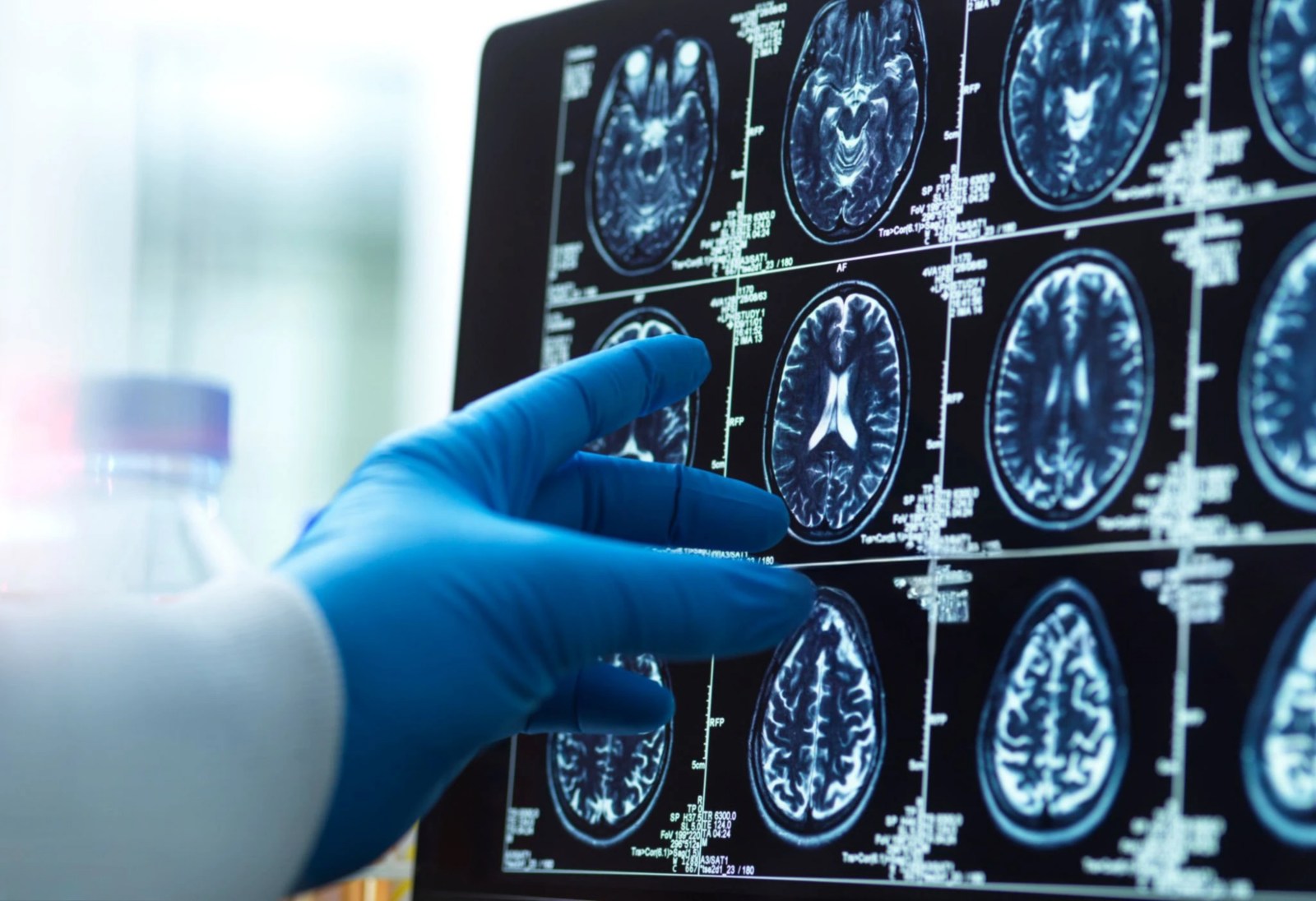
Scientists have potentially discovered a vital clue in understanding why some individuals develop dementia due to Alzheimer’s disease while others do not. A study published in Nature Medicine analyzed brain tissue from both cognitively impaired and healthy older adults, including centenarians. The research indicates that the response of certain immune cells in the brain to Alzheimer’s-related damage may play a critical role in whether the disease progresses to dementia.
Brain Immune Cells’ Role
Alzheimer’s is linked to the accumulation of two proteins: amyloid plaques and tau tangles. However, their presence does not always result in dementia. To explore why some individuals maintain cognitive function despite Alzheimer’s changes, researchers from Belgium and the UK studied brain tissue from people with dementia and healthy older adults.
The focus was on microglia, which are the brain’s immune cells. These cells protect and monitor brain health. The study revealed that microglia exhibit different behaviors as Alzheimer’s progresses. Initially, microglia enter an inflammatory state associated with amyloid plaques. At later stages, some microglia transition to another immune state observed with tau buildup and brain cell damage.
This study suggests this transition is crucial in determining if Alzheimer’s-related changes lead to dementia. Dr. Steve Allder, a consultant neurologist, commented that maintaining a healthy brain immune response could be key in addressing Alzheimer’s.
Varied Resilience to Alzheimer’s
The research also highlights that not all individuals respond to Alzheimer’s pathology in the same manner. Some older adults with amyloid plaques did not develop dementia and displayed the early microglial response without transitioning to the later immune state. Conversely, cognitively healthy centenarians activated a later immune response not strongly linked to tau buildup.
The findings indicate that resilience against Alzheimer’s might not solely rely on avoiding the disease-related brain changes. It may also depend on how the brain adapts to these changes. Professor Mark Fiers, the study’s corresponding author, emphasized that understanding the brain’s resistance mechanisms could inspire new therapies to prevent neurodegeneration and dementia.
Future Alzheimer’s treatments may need to focus less on removing amyloid plaques and more on influencing microglia to sustain immune responses linked to resilience. Niels Plath, chief scientific officer at Muna Therapeutics, expressed eagerness to further investigate the role of microglial transitions to identify novel ways to delay or prevent disease progression.
These findings open new opportunities to target microglial states—especially pathways such as TREM2—and extend resilience rather than simply focusing on plaque removal.