
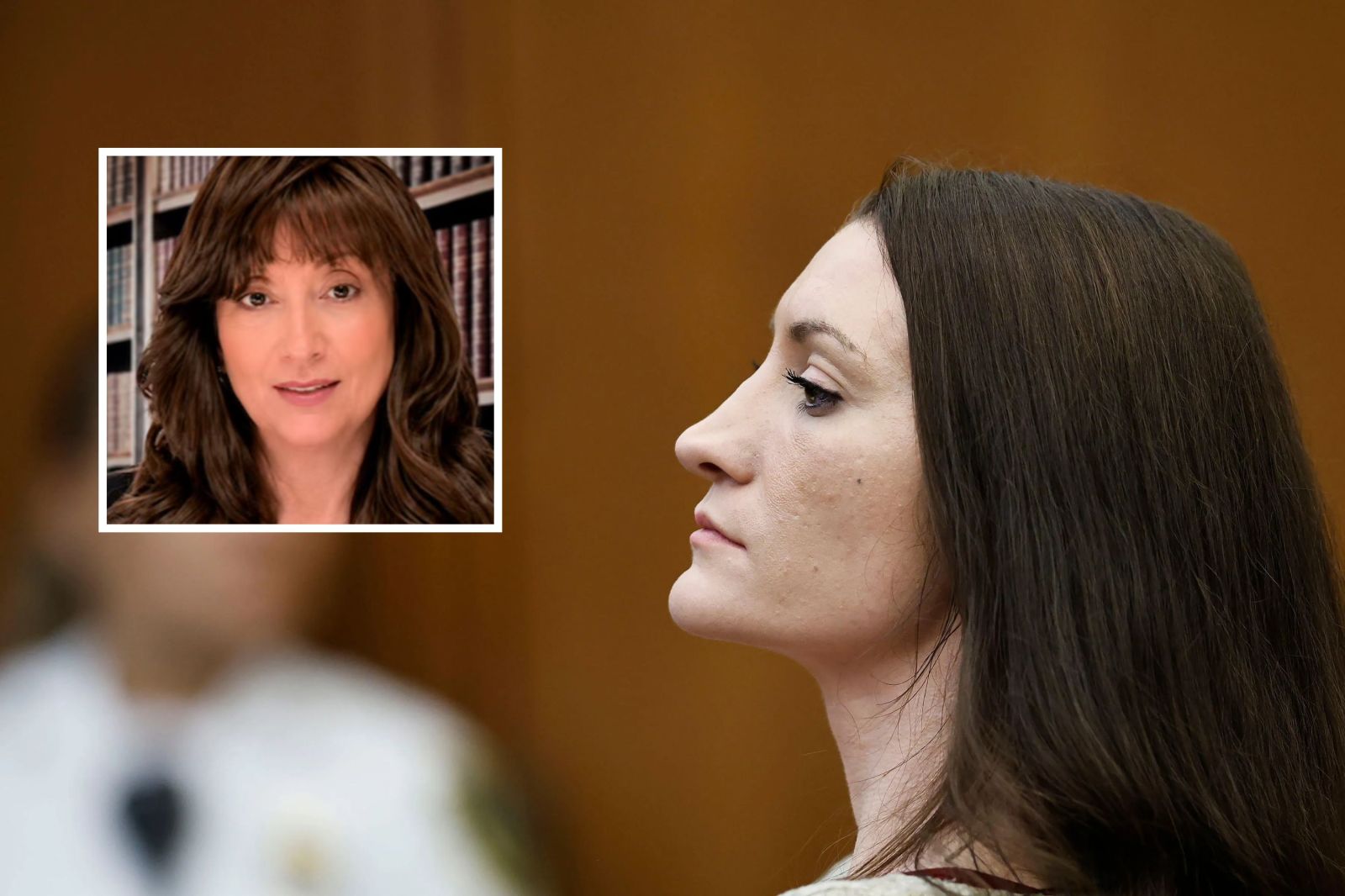
As Lindsay Clancy’s murder trial progresses, a civil rights attorney has shifted her perspective regarding Clancy’s culpability in the death of her three children. The change is attributed to compelling testimony presented during the proceedings.
The Case Overview
Clancy faces charges for allegedly killing her children in their Massachusetts home in January 2023 before attempting suicide. Her defense states she was experiencing postpartum psychosis with command hallucinations, impairing her ability to understand her actions. Prosecutors agree she had mental health issues but maintain she is criminally responsible.
“I have completely changed my point of view after listening [to] the entire trial,” said Shari Karney, a civil rights attorney. “I do believe this is a case of murder versus madness, and madness is winning.”
Key Testimonies
Karney’s altered stance arose after hearing testimonies, including evidence from the prosecution’s witnesses indicating Clancy’s mental health decline and her efforts to seek help. Testimonies from multiple mental health professionals influenced her new perspective.
Prosecutors argued Clancy was methodical in her actions, yet their expert witness, Dr. Gregory Saathoff, conceded during the trial that descriptions in the opening statement minimized the severity of Clancy’s mental health crisis.
Trial Central Issue
The defense recognizes Clancy committed the killings. However, the core dispute concerns her criminal responsibility due to her mental state. Her team argues the psychosis rendered her incapable of understanding her actions’ wrongfulness, while prosecutors claim she knew her actions and acted with intent.
Systemic Issues in Mental Health Care
Karney highlights systemic flaws in Clancy’s mental health treatment. Despite seeking aid from various professionals and taking psychiatric medication, Clancy’s care was fragmented without proper coordination among her providers.
Karney likens her condition to a medical emergency requiring a coordinated care response, emphasizing that the lack of coordination was apparent as symptoms worsened.
Impact of Gender on Treatment
Karney points out that gender might have influenced the response to Clancy’s symptoms. She argues that women’s mental health issues, particularly postpartum ones, are often marginalized or not taken seriously, unlike similar reports from men.
Relevance and Wider Implications
The Clancy trial highlights broader concerns about postpartum mental health treatment and its legal interpretations. The case is compared to the Andrea Yates trial, signaling ongoing challenges in understanding postpartum psychosis in legal and medical contexts.
Karney calls for better-coordinated healthcare responses to mental health crises and suggests the trial may shift perspectives on delivery and treatment of postpartum mental health symptoms.
Takeaways
- Clancy’s defense does not dispute the killings but focuses on her mental state.
- Clancy sought psychiatric help repeatedly before the events.
- Defense and prosecution experts differ on Clancy’s mental state at the time.
- A prosecution witness agreed their portrayal minimized Clancy’s struggles.
- The trial raises ongoing questions about postpartum mental health care.
The trial occurs at Plymouth Superior Court, Massachusetts, and has drawn national interest. Clancy remains in custody, and closing arguments are imminent as the jury prepares for deliberations on whether she will be found guilty or not guilty due to mental health factors.