
Governor’s Concerns Over Automated Cameras
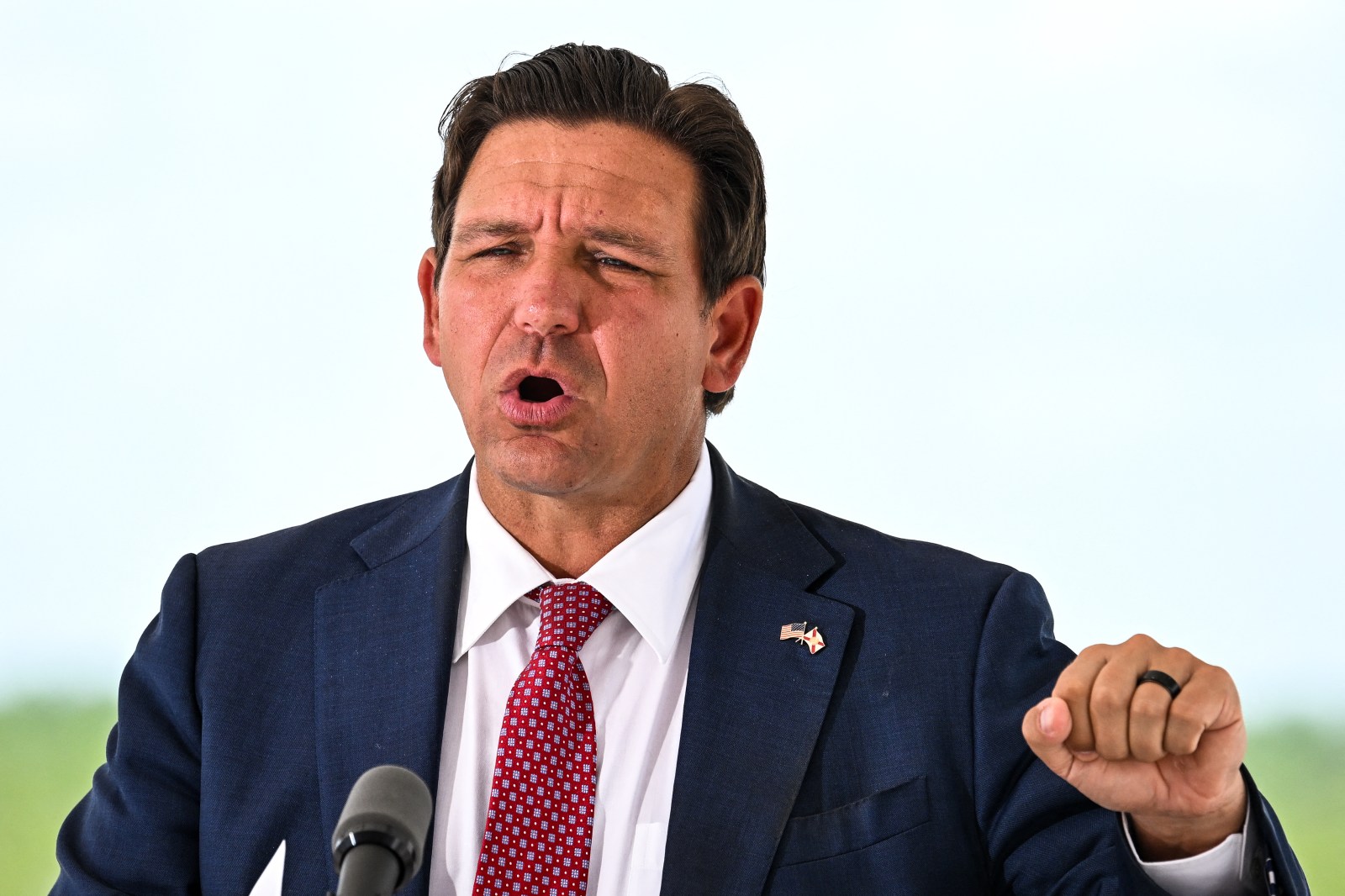
Florida’s Republican Governor Ron DeSantis is addressing privacy issues related to Flock Safety’s automated cameras. He warns that these cameras might be overreaching, calling for enhanced privacy protections. On Wednesday, DeSantis acknowledged public worries regarding the cameras’ data collection and advocated for a comprehensive system overhaul.
Describing the cameras as “out of control,” DeSantis underscored his support for law enforcement but cautioned against the creation of a surveillance state. He emphasized the need for individual protections while pursuing criminals, stating, “but surveilling just regular Floridians’ movements and how that data’s used, you know that’s a bird of a different feather.”
Bipartisan Skepticism and Legislative Implications
Craig Agranoff, a political science professor at Florida Atlantic University, noted DeSantis’ comments align with a growing bipartisan skepticism about the widespread adoption of automated license plate readers. DeSantis has historically supported law enforcement tools, making his surveillance warning noteworthy.
Agranoff pointed out the mounting concerns around data retention, access, and the sheer number of cameras. He linked DeSantis’ call for legislative limits to a recent focus on AI guardrails. Although not a complete reversal, it signals even law-and-order conservatives are pushing back against constant tracking of daily activities.
Nationwide Reactions and Privacy Safeguards
More than 120,000 camera locations have been identified in the U.S., according to privacy-focused site FlockHopper. These concerns are shared by Flock Safety CEO Garrett Langley, who stresses the need for a balance between public safety and privacy. Under increasing scrutiny, Langley advocates for stronger safeguards and accountability while defending the technology’s role in crime-solving.
Flock Safety recently introduced new measures to address misconceptions, including reducing default data retention to seven days and implementing misuse detection systems. These changes aim to increase transparency for customers.
Support and Criticism of Camera Use
Supporters argue these cameras aid police in crime investigations and emergency response. Critics, however, question the vast amount of information gathered, who accesses it, and the risk of surveilling individuals not suspected of wrongdoing.
Federal and State-Level Developments
Missouri Senator Josh Hawley has launched a federal investigation into Flock Safety, seeking clarity on database access. His actions introduce federal scrutiny to what was primarily a state and local debate.
In response, Tempe, Arizona, shut down its Flock camera system, opting to end its contract due to privacy concerns. The city had previously restricted external law enforcement access to camera data.
U.S. independent Senator Bernie Sanders from Vermont criticized Flock, warning that its AI-powered surveillance could jeopardize privacy and civil liberties. Sanders plans to propose legislation to halt AI mass surveillance.
Republican Critics and Political Coalition
Republican criticism underscores a bipartisan coalition emerging around these issues. Despite arguments from Flock and law enforcement about public safety benefits, concerns over surveillance mount. Notable GOP figures voicing criticisms include:
- Florida Governor Ron DeSantis
- Missouri Senator Josh Hawley
- U.S. Congressman Greg Steube of Florida
- Texas State Representative Brian Harrison
- South Carolina State Representative Thomas Beach
Earlier critiques from Republicans included Pennsylvania Representative Scott Perry, Texas Representative Keith Self, Arizona Representative Eli Crane, Georgia Representative Andrew Clyde, Kentucky Representative Thomas Massie, and Tennessee Representative Tim Burchett.