
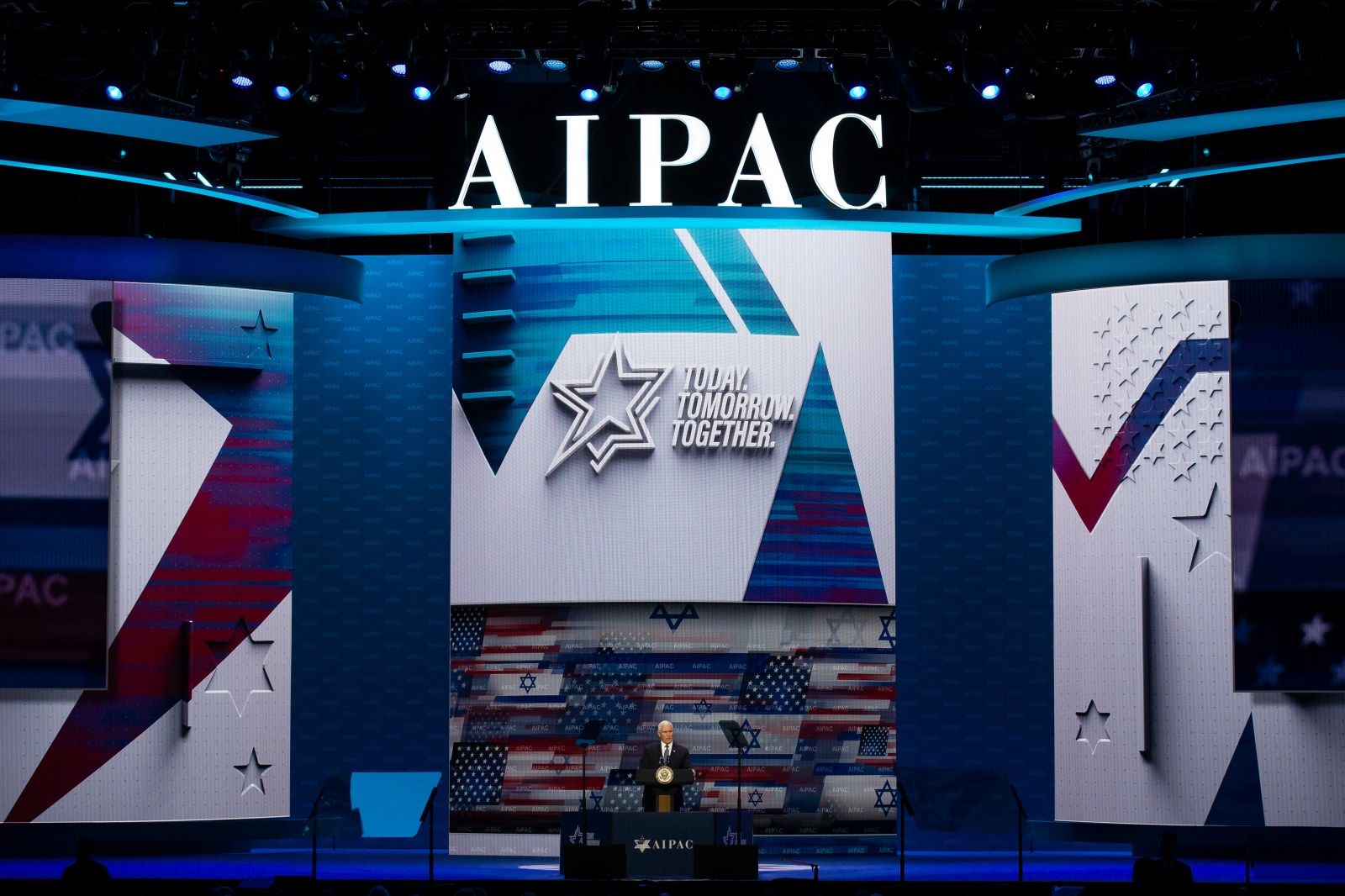
United Democracy Project, a super PAC with ties to the American Israel Public Affairs Committee (AIPAC), has heavily influenced the Democratic Senate primary in Michigan. The super PAC has allocated nearly $15 million to the race, with about two-thirds of the funds supporting Representative Haley Stevens and the remainder aimed at defeating her Democratic opponent, Abdul El-Sayed.
The primary has ignited a broader debate within the Democratic Party about Israel and the role of external political spending. This Senate seat is critical for Republicans, as it presents a prime opportunity to capture a Democratic-held position following Senator Gary Peters’s retirement announcement. Stevens recently criticized Israeli Prime Minister Benjamin Netanyahu, claiming he has endangered Jewish communities worldwide. In response, Netanyahu accused Stevens of attempting to justify antisemitism. Michigan remains a politically pivotal state after a narrow victory for President Donald Trump in 2024.
Financial Contributions and Campaign Dynamics
Federal Election Commission records show United Democracy Project’s significant contributions, amounting to approximately $9.3 million for Stevens and $5.7 million against El-Sayed. Notably, a recent transaction included $30,129 in support of Stevens and $54,314 in opposition to El-Sayed.
Senator Bernie Sanders, supporting El-Sayed, criticized the funding imbalance, highlighting AIPAC’s outsized financial support compared to El-Sayed’s campaign budget. El-Sayed has challenged Stevens and the Democratic leadership, arguing that substantial donations undermine the democratic process. Stevens maintains her independence, emphasizing her fundraising efforts, which totaled $2.1 million with $3.4 million in cash reserves by June’s end.
Divergent Views on U.S. Aid to Israel
El-Sayed’s platform includes strong criticism of U.S. military support for Israel and its operations in Gaza, which he labels as genocide. Israel refutes these claims. In contrast, Stevens, with significant backing from pro-Israel groups, defends her support for Israel, citing values like confronting antisemitism and supporting democratic allies.
United Democracy Project has targeted El-Sayed with ads alleging a history of disrespect towards women, referencing past statements and legal allegations. AIPAC’s financial activities have shifted to less transparent methods amid increasing Democratic disapproval, aligning donations indirectly.
Shift in Public Opinion Regarding Israel
United Democracy Project has also invested in other primaries, while prominent figures like Haim Saban have contributed to their efforts. Despite pro-Israel endorsements, Stevens encounters mixed perceptions among voters. A survey of Michigan Democratic primary voters found nearly half disfavor AIPAC, reflecting growing skepticism within the party about U.S. policy towards Israel.
Recent polls indicate a shift in Democratic attitudes, with substantial opposition to further U.S. aid to Israel and increased sympathy for Palestinians. This has raised questions about whether traditional foreign policy stances resonate with current voters.
Exchange of Critiques Between Leaders
Stevens and Netanyahu’s disagreements have brought attention to differing perspectives on U.S.-Israel relations. During a debate, Stevens criticized Netanyahu’s approach to peace and security, while Netanyahu questioned Stevens’ credibility, asserting she deflects antisemitism.
Primary Races as Indicators of Party Direction
The Michigan Democratic primary serves as a gauge for the party’s future. Stevens enjoys support from established Democratic figures, while El-Sayed garners backing from progressives, raising the stakes for potential outcomes. El-Sayed could rally Arab American voters disenchanted by previous administration policies, contrasting with Stevens’ perceived appeal to moderate Democrats.
The pending Democratic primary will determine the challenger to presumptive Republican nominee Mike Rogers. Various polls indicate a competitive race with fluctuating leads between Stevens and El-Sayed. Both candidates present challenges for Rogers, suggesting the election remains tightly contested. The outcome on August 4 will significantly impact the general election dynamic.