
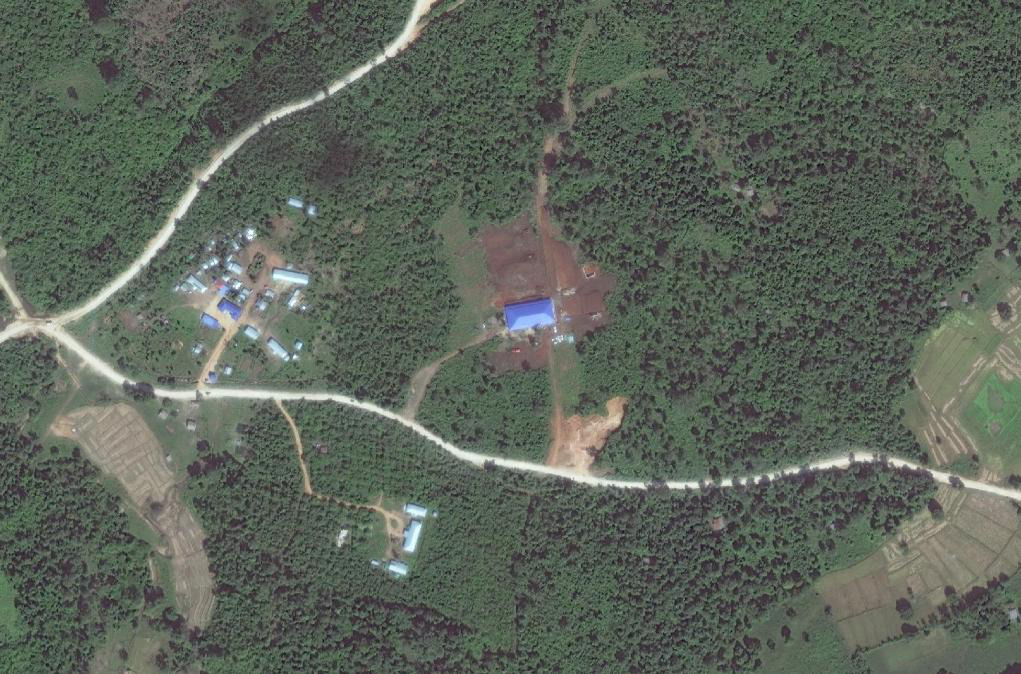
Safeer Mohammed Koorimannil was trafficked into a scam center in Myanmar. There, he was tasked with making victims fall in love with a fictitious persona – Ella, a 28-year-old Singaporean woman. Using dozens of profiles, he interacted with more than 100 people per shift, under constant watch from supervisors wielding electric batons. Over a month, Koorimannil targeted around 50,000 victims across 17 countries. Records he managed to smuggle out detail victims from various professions, including a tailor in Kurdistan and a pastry chef in Turkey, along with people from many other countries.
The scam operation employed software powered by AI models from American companies. These tools have enabled scammers to execute fraud on an unprecedented scale. The Associated Press (AP) and FRONTLINE investigated the technology’s role in this industrialization of scams. Their findings show that technology from companies like ChatGPT and Gemini is being misused to facilitate fraud worldwide.
AI Propelling the Scam Industry
The massive growth of the scam industry is closely linked to advancements in AI and internet infrastructure. AI-driven tools optimized workflow and enhanced the creation of fake identities. These technologies allowed scammers to operate seamlessly across multiple languages and regions. The extent of American technology’s involvement in this network was examined by the AP in collaboration with C4ADS, a global security nonprofit.
Scammers generated enormous profits, sometimes amassing tens of millions of dollars. For instance, blockchain analysis conducted by AP and TRM Labs revealed the financial outcomes of these operations. Moreover, companies like Cogent Communications, AT&T, and Oracle, facilitated connections between scammers and their victims.
The cost of facilitating scams remains low for telecom services, said Sascha Meinrath from Penn State University. Companies lack the incentive to invest in preventive measures.
The lack of legal and regulatory pressure in the U.S. has resulted in minimal preventive action from these companies. Meanwhile, other countries like the UK and Australia have introduced new regulations to enforce stricter measures against scams.
Efforts to Combat Scams
The U.S. has taken cautious steps in combating these operations. The Scam Center Strike Force, created by U.S. Attorney Jeanine Pirro, took action by collaborating with tech companies to dismantle scam networks. Additionally, authorities are urging American tech firms to help restrict scammers’ access to infrastructure voluntarily.
However, companies like OpenAI and Google argue they already have systems to disrupt scammers’ misuse of their tools. UpCloud and Oracle claim they are cooperating with law enforcement, further illustrating the complexity of the global scam ecosystem.
The Challenge of Tackling AI-enabled Scams
AI in the hands of scammers poses challenges. Products like Kongtian Intelligent Customer Acquisition (KT) and Global Social Traffic Navigation (007TG) are exploited by scammers for operations. Meanwhile, tools capable of tracking scammers boast a high detection accuracy, allowing companies to remove thousands of scam accounts monthly.
But the lucrative gray market for such technologies continues, where both legitimate and illegitimate activities thrive. Under high pressure, workers like Koorimannil faced severe punishments, as scammers monitored their productivity closely, sometimes resorting to violence.
Internet Providers and Infrastructure
Internet providers play a significant role. The volume of fraudulent activity using U.S. tech firms is vast. Devices at scam compounds in Myanmar frequently use services from companies like Cogent Communications and DigitalOcean. The analysis of connections indicates a substantial U.S. tech footprint in these operations.
For companies, the economic benefits of providing these services often outweigh potential risks. Prevention requires strong monitoring and reporting systems, which can be costly.
The Role of Starlink in Myanmar
Elon Musk’s company, Starlink, is the predominant internet service provider in Myanmar, including scam centers. Despite ongoing scrutiny and crackdowns, Starlink has continued being a top provider due to its efficiency and reach.
Data from independent sources indicates that performers within these scam networks make extensive use of Starlink. Attempts to cut off services to specific scam compounds have shown that the company can, when inclined, disable connections supporting these illegal enterprises.
Victims often express their distress. Fraudulent setups have left people like Chris Colocousis, a victim in the U.S., with significant financial losses. He highlights how the criminal ring’s sophistication often goes unnoticed by outsiders.
Efforts to curtail the operation of scam centers are underway, including U.S. sanctions and actions against foreign affiliates. However, the intricate web of devices and connections that supports these scams continues to challenge international and technological barriers.