
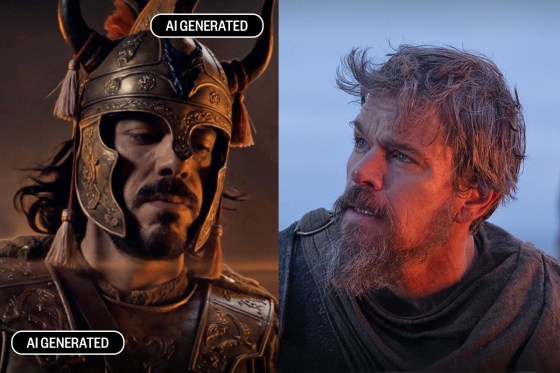
Christopher Nolan’s film, “The Odyssey,” has become a box office sensation. Concurrently, an AI-generated adaptation titled “Odysseus: The Fall” is garnering interest, especially from right-wing circles. They view it as a potential substitute to Hollywood’s perceived shift towards progressive themes.
“Odysseus: The Fall” presents a version of Homer’s ancient epic entirely crafted by artificial intelligence. This development comes amid ongoing debates about creativity and cultural influence in the film industry. Supporters argue that AI-driven storytelling offers a fresh perspective, contrasting with Nolan’s blockbuster approach.
The AI-generated film features a unique interpretation of the classic story of Odysseus, appealing to audiences interested in alternative narratives. Despite this buzz, the director has clarified that he did not intend to create a political counterpoint or challenge mainstream cinema.
The AI adaptation seeks originality through technology, while Nolans film stays rooted in traditional filmmaking.
Both films showcase different methods of engaging with ancient texts. The discussion highlights the evolving landscape of storytelling and the role of technology in shaping future art forms.