
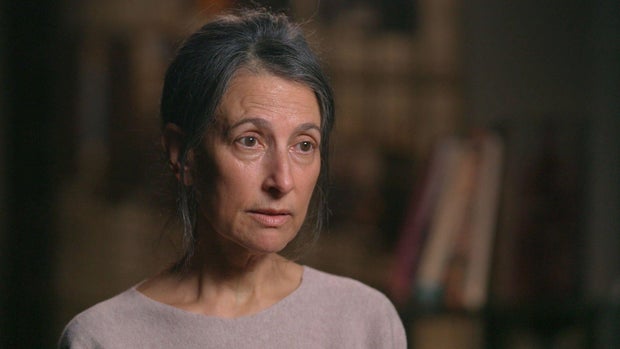
Since a devastating attack by Hamas on Israel nearly three years ago, countless families on both sides of the conflict have suffered unimaginable losses. Rachel Goldberg-Polin, an American Israeli, is one such parent grappling with the death of her son. Rachel moved to Jerusalem 18 years ago with her husband Jon and their three children. On October 7, during the gruesome attack at the Nova Music Festival near Gaza’s border, their son, Hersh, was seriously wounded and taken hostage by Hamas. Subsequent efforts to secure his release ended tragically when, on the 328th day of captivity, Hersh was killed.
Rachel has faced the constant agony of losing her son in such a brutal manner. She spoke about trying to navigate this new life without Hersh, a struggle shared by many bereaved parents. Hersh had sent a final message to Rachel, saying “I love you” and “I’m sorry,” which she received on that fateful day. For Rachel, those days of hope during his captivity were precious, despite their end.
Hersh’s ordeal is shared with the world through the efforts of his parents, who have sought international help in advocating for the hostages. Rachel became a prominent voice, meeting world leaders and continuously showing support for the cause. Every day, she marked the days since Hersh’s capture, wearing a taped number on her clothing.
Anderson Cooper’s later revelation of footage showing Hersh being kidnapped gave the family a glimmer of hope, knowing he was alive. In their campaign, they leaned on a mantra Hersh shared with fellow hostage Or Levy, “He who has a why can bear any how,” a quote from Viktor Frankl’s memoir, “Man’s Search For Meaning.” This mantra became a source of strength for others in captivity.
On the 328th day, during a desperate plea with other families, Rachel did not know it was the day Hamas took Hersh’s life. His body was eventually found in an underground tunnel, illustrating the grim endpoint of this horrific ordeal. Hersh was honored by thousands who lined the streets for his funeral as Rachel and Jon continued their advocacy.
In February 2025, former hostage Or Levy shared his final days with Hersh, providing Rachel another insight into her son’s enduring spirit even in the darkest times. His recollections brought a sense of solace to Rachel, knowing that Hersh remained unbroken.
In written work, Rachel reflects on grief’s relentless nature, describing it as a constant, circular pain. Her book “When We See You Again” chronicles her journey through loss and enduring love.
The return of the last hostage marked a somber close to this chapter. Rachel and her family removed the symbol of those passing days. Hersh’s room remains untouched, a testament to the life and love that persist beyond tragedy.