
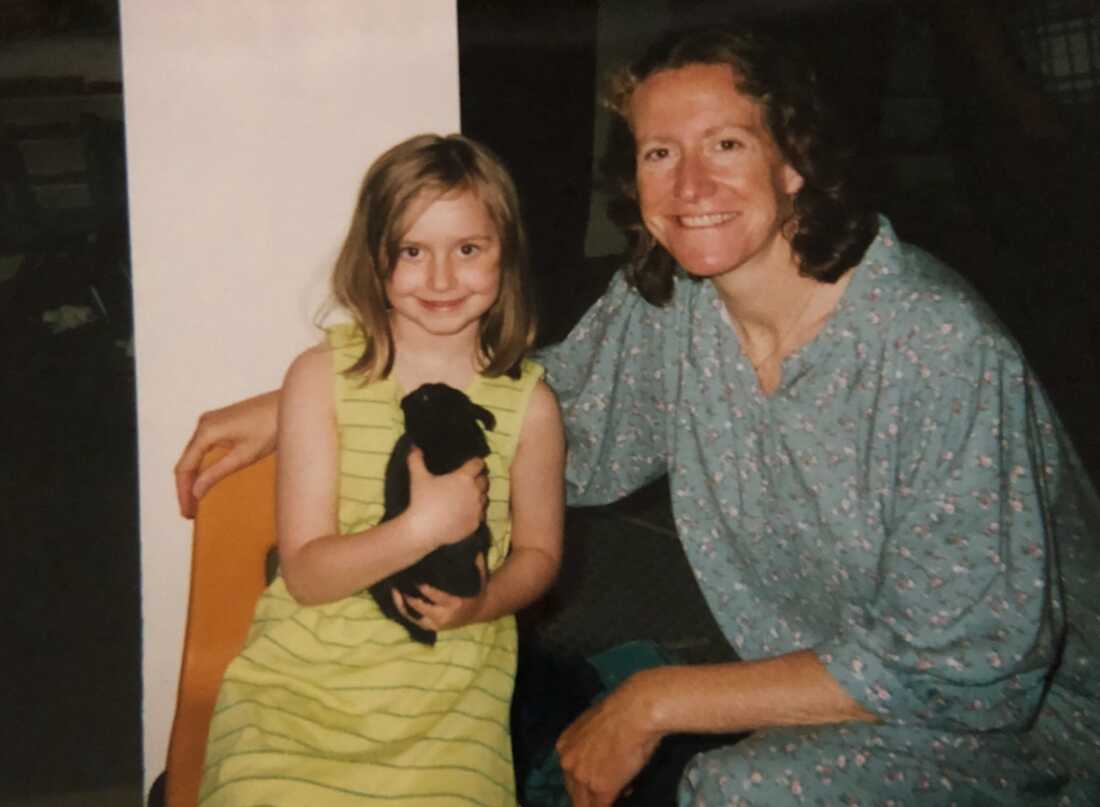
Barb Barnes faced a pivotal moment when doctors informed her of the need for open-heart surgery over two decades ago. The decision came after she experienced difficulty even walking up stairs due to shortness of breath. The procedure was slated for the summer of 2005, leaving Barb to prepare both emotionally and logistically for the significant surgery to restore her health.
In the days leading up to the operation, Barb was consumed with anxiety about her condition. As a single mother with her daughter Autumn as her only child, the prospect of what might happen if the surgery went wrong was overwhelming. Barb expressed her fears recently, stating her trust in the surgical team did little to alleviate the overwhelming fear of undergoing open-heart surgery.
The surgery was conducted in a city several hours from Barb’s home. The night before, she and Autumn checked into a budget hotel, shared a pizza, and watched a film to distract from the anxiety. Autumn clung to her mother throughout the night, fearing it could be their last night together. Early the next morning, Barb settled her daughter in a relative’s room and prepared for the surgery.
By the afternoon, the surgeon delivered encouraging news; the operation was a success. Barb felt relief almost immediately post-anesthesia, noticing improvement in her energy levels and breathing. Pain was inevitable, though, and managing it was challenging since the surgery required splitting her sternum and opening her ribcage. The thought of reducing opioid medication frightened Barb, but she resisted tapering off the pain relief.
Within a day, a nurse who had previously battled opioid addiction visited Barb, sharing her story and expressing concern about Barb’s pain management approach. The nurse voluntarily held Barb’s hand, encouraging her to reconsider her dependency on opioids and to distinguish between actual physical pain and the fear of being debilitated by pain. The heartfelt message struck Barb profoundly.
The nurse promised to support Barb throughout the journey, ensuring assistance with pain management regardless of duty status. This support shifted Barb’s perception of pain, guiding her to recognize it as a manageable sensation rather than a crippling experience needing opioid intervention.
Barb’s evolving understanding of pain management influenced her approach to subsequent medical procedures, embracing the enduring care extended by the nurse. Barb reflected that the nurse’s genuine compassion left an indelible mark; she never felt so cared for by another person.
Now, Barb enjoys fulfilling relationships with her daughter and friends, fully independent and able to assist others, attributing this transformation to the nurse’s intervention. The nurse remains Barb’s unsung hero beyond the confines of pain.
“Barb wouldn’t be where she is today without the nurse’s compassionate support. Her daughter, enduring friendships, and ability to engage with others are all rooted in the care received during her recovery.”
For those wishing to share a personal story of an unsung hero with the Hidden Brain team, the My Unsung Hero podcast releases new episodes every Tuesday. Record a voice memo and send it to [email protected].