
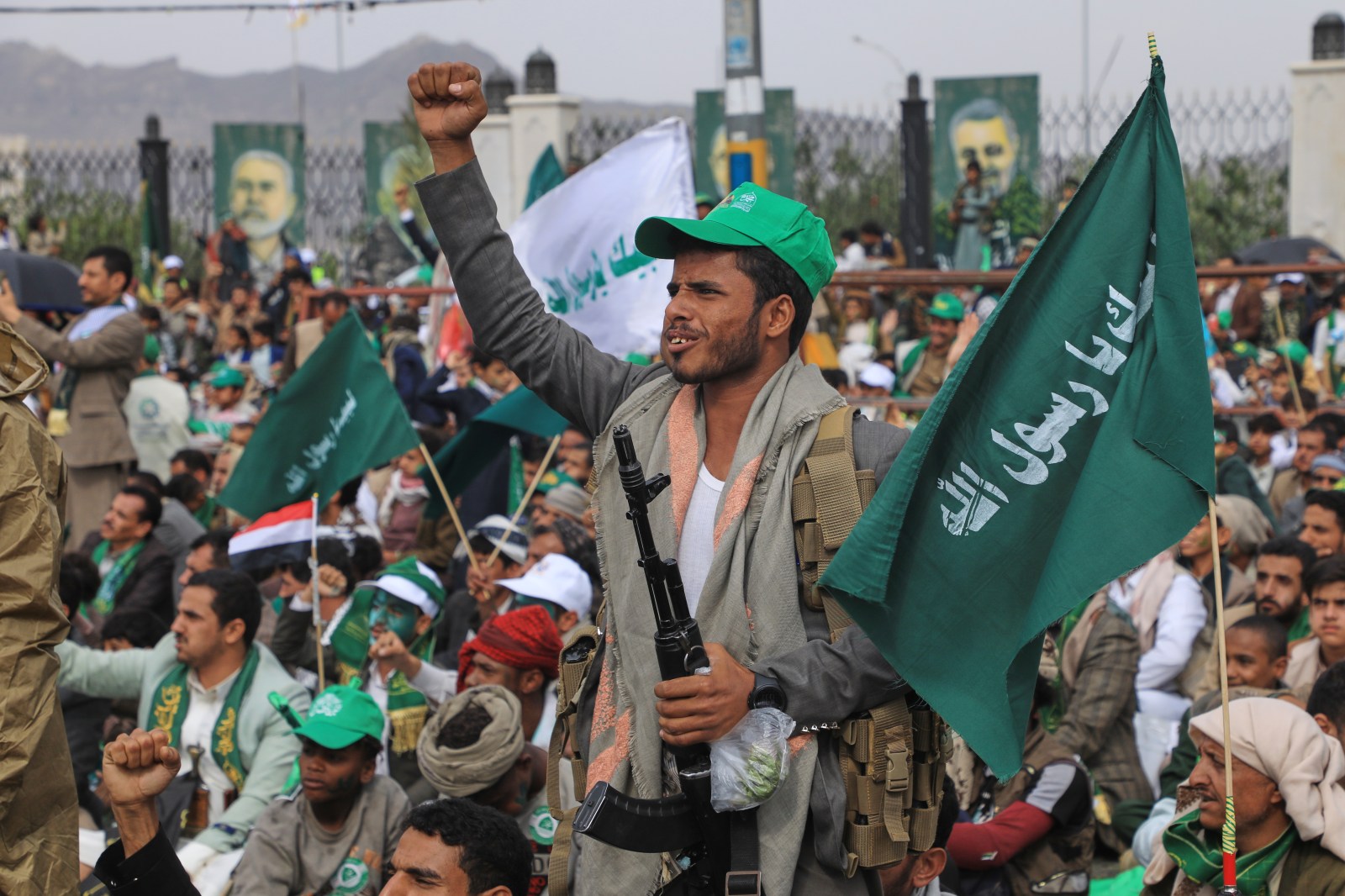
The maxim, ‘No battle plan survives first contact with the enemy,’ attributed to 19th-century Prussian strategist Helmuth von Moltke the Elder, finds relevance today. Iran may have left this lesson with President Donald Trump, but Yemen’s Houthis underscore it clearly now. Among Middle Eastern power players, Ansar Allah stands as a non-state force from Yemen, one of the world’s impoverished nations, challenging countries with formidable military might, large economies, and nuclear capabilities.
Despite these disparities, the Houthis exhibit an uncanny knack for complicating the conflict already troubling the U.S. administration. Their recent tactical maneuvers, targeting Saudi territories and resources while gaining strategic Red Sea positions, add another challenge for Washington.
Two Strategic Chokepoints
For half a year, global attention has fixated on the Strait of Hormuz. Another crucial maritime route now demands consideration. This week, the Houthis captured the Red Sea port of Mokha on Thursday, followed by Mayun Island on Friday. Positioned within the Bab el-Mandeb Strait, Mayun Island commands a crucial link connecting the Red Sea to the Gulf of Aden, channeling approximately 12 percent of global trade.
“The U.S. Maritime Administration documented over 100 Houthi attacks affecting international shipping from November 2023 to October 2025,” reports indicate.
With the Strait of Hormuz operational, these threats lingered. The scenario shifts markedly now as Mokha and Mayun’s capture delivers the Houthis tangible control over another vital passageway. Data from the U.S. Energy Information Administration records oil shipments from the Hormuz Strait dwindling from 21.6 million barrels daily in late 2025 to 4.9 million by mid-2026. Concurrently, oil flow through Bab el-Mandeb increased from 5.4 million to 8.1 million barrels daily, as Saudi strategies redirected to the Red Sea.
This Houthi presence grants Tehran another sphere of influence over Washington. Iran’s Supreme National Security Council cited halting attacks on its Yemeni, Lebanese, Palestinian, and Iraqi allies as prerequisites for a Hormuz reopening. A Revolutionary Guard Corps representative demands Yemen’s inclusion in U.S.-Iran negotiations. Summer negotiations might have covered a single strait with Tehran; now a dual assessment looms over Washington.
Each day compounds the strategic intricacies of America’s latest Middle Eastern conflict.
Saudi Arabia’s Tactical Challenges
The Houthi advance also raises stakes for Saudi Arabia. Riyadh was struggling with the Hormuz conflict. Saudi crude output hit 6.2 million barrels per day in August, its lowest in decades, paired with decreased exports.
Now, with attacks on Abha, Khamis Mushait, Jazan, and Najran, injuring 73 and damaging energy sectors, satellite images suggest severe impacts on the crucial East-West oil pipeline, essential for circumventing Hormuz.
Recently, Saudi Arabia entered the Mecca Joint Defense Agreement with Turkey and nuclear-armed Pakistan. Touted as the ‘Muslim NATO,’ both alliances share mutual defense commitments. Yet, amidst the crisis, Saudi Crown Prince Mohammed bin Salman found allyship with the U.S. rather than Mecca pact partners for retaliatory measures. President Trump refused strikes but provided targeting intelligence, as Axios reports.
The Mecca engagement, under 40 days old, signifies ongoing negotiation and partner roles, with Turkey and Pakistan not compelled to initiate counterattacks initially.
The Houthis highlight that, in crises, Riyadh may rely on traditional allies like the U.S. while expressing intentions for greater security autonomy.